
Tunnel Boring Machine CE Certification: Required Documents, Tests, and Compliance Steps
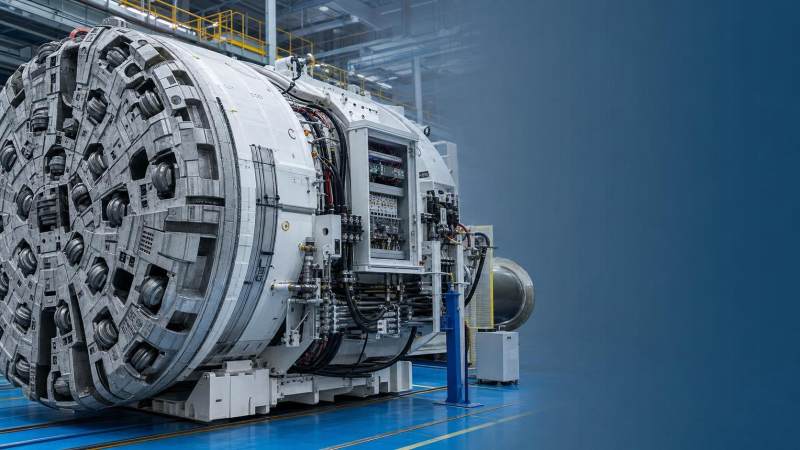
Tunnel boring machine CE certification sits at the intersection of engineering safety, legal access, and project delivery discipline. For cross-border TBM deployment, it is not just a label for the European market. It is a structured check on whether the machine, its controls, its documentation, and its operating boundaries meet the expectations of modern heavy equipment compliance. In large infrastructure programs, weak certification work can delay shipment, trigger redesign, or expose contractors to avoidable safety and liability risks.
Why CE certification matters for TBM projects now
TBMs are no longer isolated pieces of steel and hydraulics. They are integrated systems with electrical panels, software logic, remote interfaces, emergency circuits, and rotating or pressurized components. That complexity makes tunnel boring machine CE certification more demanding than a basic machinery checklist.
The current market adds more pressure. International buyers want traceable compliance. Insurers want documented risk control. Project owners want fewer commissioning surprises. At the same time, digitalization and remote monitoring are changing how machinery risk is assessed.
From the perspective of TF-Strategy and its focus on power, precision, and strategic heavy industry intelligence, CE compliance is part of a larger pattern. The heavy equipment market is moving toward tighter safety validation, stronger technical files, and more evidence-based acceptance before equipment enters a live project environment.
What tunnel boring machine CE certification actually covers
In practical terms, tunnel boring machine CE certification is a conformity process. It shows that a TBM has been assessed against applicable European requirements for machinery and related risks.
For a TBM, the scope often reaches beyond the cutterhead or shield body. It can include hydraulic power units, electrical cabinets, operator stations, conveyor interfaces, segment handling systems, lubrication systems, access platforms, and safety devices.
This matters because certification failures often come from system boundaries. A machine may be mechanically sound, yet still fall short because interlocks are unclear, emergency stops are inconsistent, or the technical file does not reflect the delivered configuration.
Typical compliance focus areas
- Mechanical hazards, including moving parts, crushing zones, and access risks
- Electrical safety, insulation, grounding, labeling, and cabinet protection
- Hydraulic and pneumatic safety under operating and fault conditions
- Control system behavior, especially fail-safe functions and emergency stop logic
- Noise, vibration, maintenance access, and operator information
- Documentation consistency between design, assembly, and site commissioning
Required documents that shape the approval outcome
Documentation is often where tunnel boring machine CE certification is won or lost. Not because documents replace engineering, but because they prove the engineering was planned, checked, and translated into the final machine.
A complete submission usually includes the technical file and several linked records. Gaps between them are a common source of nonconformity.
For large TBM systems, documentation control should begin before fabrication is complete. Waiting until final assembly usually creates version conflicts, especially where third-party packages are integrated late.
Tests that usually deserve the closest attention
Testing in tunnel boring machine CE certification is not a single event. It is a chain of verifications tied to the machine design, installed components, and intended operating conditions.
Some tests are routine. Others become critical because TBMs combine high torque, confined spaces, moisture exposure, and complex operator interaction.
Core verification items
- Emergency stop function checks across all stations
- Safety interlock validation for guards, doors, and maintenance access
- Insulation resistance, grounding continuity, and electrical protection tests
- Hydraulic pressure and relief valve verification
- Control system response under fault or power-loss conditions
- Functional testing of alarms, indicators, and shutdown sequences
- Noise or environmental checks where required by machine use conditions
Factory acceptance testing helps, but it is rarely enough by itself. Site assembly can change cable routes, guarding details, or interface logic. For that reason, final conformity review should reflect the assembled machine, not only the workshop version.
Where certification problems usually appear
Most certification delays do not come from one dramatic defect. They come from accumulation. Small inconsistencies become hard barriers once the machine reaches review or shipment.
A recurring issue is fragmented responsibility. Mechanical, electrical, hydraulic, and automation teams may each complete their work, yet nobody owns the compliance logic across the whole TBM.
Another risk appears in custom or project-specific designs. Many TBMs are configured for geology, tunnel diameter, lining method, or site constraints. That customization can invalidate reused documents from earlier models.
High-risk gaps to watch
- Risk assessments copied from another machine without project-specific revision
- Safety PLC logic not aligned with the approved schematic set
- Manuals describing functions that were changed during commissioning
- Supplier subassemblies delivered without usable conformity evidence
- Missing records for tests performed after field modifications
A practical compliance path for international TBM delivery
A workable tunnel boring machine CE certification process starts early and stays tied to the build sequence. It should run in parallel with design reviews, supplier qualification, factory testing, and site assembly planning.
The most effective approach is disciplined rather than complicated.
- Define the machine boundary and applicable directives before detailed design is frozen.
- Build a TBM-specific risk assessment, linked to real subsystems and access points.
- Control supplier documentation for electrical, hydraulic, and control assemblies.
- Plan verification tests with acceptance criteria, not just test names.
- Track every engineering change against drawings, manuals, and safety functions.
- Review the technical file again after site installation or major field adjustment.
- Issue the Declaration of Conformity only when the final configuration is confirmed.
This stepwise model fits broader heavy equipment practice as well. Whether the asset is a TBM, crawler crane, or large mining machine, compliance works best when it is treated as a controlled engineering process, not a closing paperwork exercise.
Using certification data as an operational advantage
Tunnel boring machine CE certification should also improve project readiness. A strong compliance file helps teams understand residual risks, maintenance constraints, spare parts traceability, and safe intervention points before the machine enters a live tunnel.
That is where intelligence platforms such as TF-Strategy add value. In heavy industry, certification does not exist in isolation. It connects with component evolution, digital controls, contractor risk management, and total cost of ownership across complex infrastructure programs.
When certification records are organized well, they support more than approval. They support training, audits, insurance discussions, retrofit planning, and future cross-border tenders.
What to review next before a final approval decision
Before closing a tunnel boring machine CE certification file, it is worth checking three things closely: whether the risk assessment matches the delivered machine, whether the test evidence covers real operating modes, and whether the manuals explain residual hazards with enough precision for field use.
If any of those areas remain weak, the approval may still look complete on paper while staying fragile in practice.
The next step is usually not to collect more documents blindly. It is to map the machine configuration, compare it against the technical file, and close the gaps that affect safety, traceability, or legal conformity. That disciplined review creates a more reliable basis for shipment, installation, and long-cycle TBM performance.
Related News
 Oct 09, 2026Ultra-Large Excavator Bucket Size: Capacity, Width, and Site Fit ExplainedUltra large excavator bucket size explained: compare capacity, width, payload, truck matching, and site conditions to select a reliable, high-productivity bucket.
 Oct 08, 2026How to Evaluate a Heavy Machinery Information Platform for Project Equipment SourcingHeavy machinery information platform guide: compare equipment fit, source reliability, lifecycle costs, supplier capability, and compliance to make smarter sourcing decisions.
 Oct 07, 2026How to Evaluate a Hydraulic System Component Supplier for Heavy Equipment UptimeChoose a hydraulic system component supplier with proven quality, technical fit, and reliable delivery to reduce heavy equipment downtime and lifecycle costs.
 Oct 06, 2026Selecting Petrochemical Overhead Cranes for Hazardous Areas and Heavy Process LoadsPetrochemical overhead cranes for hazardous areas: learn how to match capacity, duty, controls, corrosion protection, and maintenance access for safer, reliable lifts.

Ms. Elena Rodriguez
Weekly Insights
Stay ahead with our curated technology reports delivered every Monday.