
What Is an Equipment Reference Database and What Data Does It Contain?
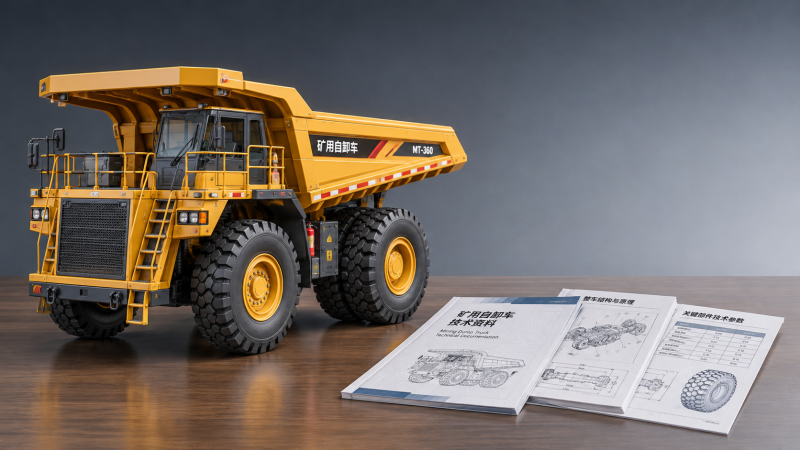
An equipment reference database brings technical specifications and other machinery information together in a structured, searchable format. It helps researchers identify models and understand their capabilities.
For researchers comparing tunnel boring machines, mining trucks, crawler cranes, or other heavy equipment, it provides a useful starting point for investigating options.
Typical records include manufacturer and model details, operating specifications, and source information. Their value depends on whether the data is current, comparable, and suited to the research question.
This article explains the data categories to expect, how to interpret them, and what to check before using equipment records to support a conclusion.
What Is an Equipment Reference Database?
An equipment reference database is an organized collection of information about machinery. Its records describe equipment using consistent fields that can be searched, filtered, and compared.
A record may represent a manufacturer’s model, a particular configuration, or an individual machine. Knowing which one you are viewing is essential to interpreting its specifications.
For example, a model record might describe a mining truck’s nominal payload, while an individual asset record could also include its serial number and maintenance history.
The database may cover many equipment categories or specialize in one. Coverage, detail, update frequency, and access conditions vary considerably between providers.
Its main research value is that it brings scattered information into a consistent structure. It does not, by itself, establish which machine is best for a project.
What Information Does an Equipment Reference Database Contain?
Most databases combine identification details with technical specifications. More extensive records may include configurations, operating limits, documentation, and information about the source of each field.
Manufacturer, Model, and Equipment Category
Basic identification fields typically include the manufacturer, model name, equipment category, and model series. Some records also identify a production period or a successor model.
These details help researchers distinguish similar machines and trace changes over time. A manufacturer’s product range can change without every database being updated immediately.
For individual machines, serial numbers, manufacture dates, and locations may be available. Model-level reference databases often omit these details because they describe a product rather than an asset.
Dimensions, Weight, and Capacity
Physical fields often include length, width, height, operating weight, and a machine-specific capacity. These values help establish whether a model fits an initial research requirement.
Capacity means different things across categories. A mining truck record may show payload, while a crawler crane record may show maximum rated lifting capacity.
Dimensions also depend on configuration. Transport dimensions, working dimensions, and dimensions with optional attachments can differ substantially, so field labels and accompanying notes matter.
Powertrain and Energy Data
Depending on the machine, records may describe engine power, motor rating, fuel type, drivetrain, or emissions standard. Electric equipment may include battery or charging information.
Researchers should check whether power figures are gross or net, as well as the test standard and operating conditions. Similar-looking values are not automatically comparable.
For hybrid or electric machines, a single power figure rarely explains the complete energy system. Battery capacity, duty cycle, and charging arrangements may also matter.
Machine-Specific Operating Specifications
Useful databases adapt their fields to each equipment category. A generic capacity field alone cannot describe the working range of a crane or a TBM.
TBM records may include excavation diameter, machine type, cutterhead power, thrust, and torque. These specifications help frame suitability, but geological conditions remain central to selection.
Crawler crane entries may list boom lengths, counterweight configurations, and rated capacities. Actual lifting capacity depends on radius, boom arrangement, ground conditions, and the applicable load chart.
Mining truck entries may include payload, engine output, drive system, and gross vehicle weight. Haul-road gradient, altitude, and temperature also influence real-world performance.
For excavators and road machinery, researchers may find bucket capacity, digging dimensions, paving width, or compaction characteristics. Attachments and operating setups can change these figures.
Configurations, Options, and Operating Limits
Some records distinguish standard equipment from optional features, such as alternative engines, buckets, booms, or control systems. Others provide only a representative configuration.
Operating limits may include temperature ranges, maximum gradients, or restrictions on working arrangements. These limits should be checked against the exact machine and manufacturer documentation.
When a record lacks configuration details, treat its figures as preliminary. A capacity shown for one setup may not apply to another version of the same model.
Documentation and Source Details
A well-documented record can link to manufacturer brochures, technical manuals, product pages, or other sources. It may also show publication dates and the date data was checked.
Source details make a claim easier to verify. A manufacturer’s current load chart, for example, provides stronger support for a specific crane configuration than an undated summary.
Some databases include specifications supplied by dealers, owners, or third-party publishers. These can be useful leads, but their accuracy and scope should be assessed separately.
Availability, Pricing, and Asset History
Certain platforms add market information, such as listings, indicative prices, or regional availability. These fields can change quickly and may apply to individual machines.
Asset-focused systems may also record operating hours, inspections, maintenance, ownership, and location. A general equipment reference database should not be assumed to contain that history.
Price and availability data need particular context: currency, date, region, condition, and included equipment all affect whether two entries can be meaningfully compared.
How Can Researchers Compare Equipment Records Reliably?
A database can reduce the time needed to find candidates, but a reliable comparison starts with a clear question and a consistent basis for evaluation.
1. Define the Research Question
Decide whether you are mapping the market, identifying machines within a capacity range, studying technology trends, or preparing a shortlist for a specific project.
Then identify the fields that answer that question. A market overview may need model ranges and manufacturers; a project shortlist requires much more detailed operating conditions.
2. Match Models and Configurations
Check model names, generations, production periods, and available options before comparing specifications. Similar names can refer to different machines or versions sold in different markets.
Where possible, compare equivalent configurations. If one crane record assumes a particular boom and counterweight, identify whether the other record uses a comparable arrangement.
3. Normalize Units and Definitions
Convert measurements to consistent units, but do not stop there. Confirm whether weight means operating weight, empty weight, or another manufacturer-defined measure.
Likewise, check whether a capacity is nominal, maximum, or measured under specified conditions. Unit conversion cannot correct a difference in what two fields represent.
4. Check Dates and Original Sources
Look for the source and publication date of each important specification. A record may combine values from documents published at different times or for different regions.
For consequential decisions, consult the current manufacturer documentation for the exact model and configuration. Contact the manufacturer or an authorized representative when details remain unclear.
5. Record Gaps and Assumptions
Keep a short research log noting sources, dates, conversions, and unresolved differences. Mark missing information as unknown rather than treating a blank field as zero.
If comparable data cannot be found, state that limitation in the result. A smaller, transparent comparison is more useful than a complete-looking table built on assumptions.
What Should You Check Before Trusting a Database?
The strongest databases make their coverage and methods visible. Before relying on one, examine how it identifies equipment, obtains specifications, and handles revisions.
Check whether records link to original documents, show dates, and distinguish manufacturer data from third-party estimates. A polished interface alone does not establish data quality.
Look for clear units, field definitions, and configuration notes. For specialist machinery, category-specific fields are often more useful than a large number of generic attributes.
Coverage matters too. A database may emphasize current models, a particular region, or selected manufacturers, so missing entries do not necessarily mean machines do not exist.
Finally, review access and reuse terms if you plan to export, publish, or integrate records. Search access does not automatically grant permission to redistribute the data.
What Can an Equipment Reference Database Help You Do?
Researchers can use structured records to map a market, identify relevant manufacturers, and understand the range of specifications available within an equipment category.
For example, a study of open-pit mining trucks might filter models by nominal payload, then investigate powertrain options and the conditions attached to each figure.
A tunneling researcher could use excavation diameter and machine type to find relevant TBM families, then examine project-specific geology and engineering documentation for context.
For crawler cranes, a database can identify potential models before a specialist reviews load charts, lift plans, ground bearing requirements, and site constraints.
Across all three examples, the database helps organize the first stage of research. The final judgment depends on evidence that may sit outside the database.
How Is It Different From a Fleet Management System?
An equipment reference database usually describes models and their characteristics. A fleet management system generally tracks equipment that an organization owns, leases, or operates.
A fleet system may contain utilization, maintenance schedules, fuel consumption, and repair costs for individual assets. Those records answer different questions from published model specifications.
The two can complement each other: reference data provides model context, while fleet records show how particular machines perform in a specific operating environment.
What Are the Main Limitations?
Published specifications describe stated capabilities under defined conditions; they do not guarantee productivity, fuel consumption, reliability, or cost on a particular job.
Project outcomes also depend on operators, maintenance, materials, terrain, weather, and work methods. These factors may not appear in a model-level record.
Historical data presents another challenge. Older models may have incomplete documentation, while acquired brands, renamed products, and regional variants can make identification difficult.
For this reason, use database records as evidence to investigate, not as a substitute for engineering assessment, inspection, commercial due diligence, or current technical documentation.
Frequently Asked Questions
Does an equipment reference database include every manufacturer?
Not necessarily. Coverage depends on the provider, region, equipment category, and data sources. Check the stated scope before using missing records to draw market conclusions.
Are database specifications the same as actual operating performance?
No. Specifications describe rated or stated characteristics under particular conditions. Actual performance must be assessed against the machine’s configuration, work environment, and available operating evidence.
Can I use a database to select equipment for a project?
It can help create an initial shortlist. Final selection should account for project requirements and be verified against current documentation and appropriate specialist advice.
Conclusion
An equipment reference database gives researchers a structured way to find machinery information, compare relevant models, and trace the specifications behind an initial assessment.
Its most useful records identify the model and configuration, explain the figures, and link to dated sources. Missing context can make even precise numbers misleading.
Use the database to narrow your investigation, document assumptions, and verify critical details with original sources. That approach turns equipment data into a more defensible research finding.
Have questions about this sector analysis, or seeking best practices specific to your niche? Drop us a line below and let the senior consultants at TF-Strategy assist you.
Related News
 Nov 14, 2026What Is an Equipment Reference Database and What Data Does It Contain?Discover what an equipment reference database contains, from model specifications to source data, and learn how to compare machinery with confidence.
 Nov 13, 2026Tunnel Boring Machine Safety Certification: What Must Be Verified?Tunnel boring machine safety certification: discover what to verify, from risk assessments and safety systems to site interfaces and commissioning.
 Nov 11, 2026Choosing Equipment Capacity for Different Workloads and ApplicationsExplore equipment application by capacity to match machines to real workloads, reduce bottlenecks and choose cost-effective solutions with confidence.
 Nov 10, 2026Crane Performance Comparison: Load Capacity, Reach and Lifting SpeedCrane performance comparison made practical: evaluate load capacity, reach and lifting speed to choose the right crane for your site and work sequence.
Ms. Elena Rodriguez
Weekly Insights
Stay ahead with our curated technology reports delivered every Monday.