A lower purchase price can hide a higher lifetime cost when heavy equipment specifications do not match project demands, site constraints, or expected utilization.
For procurement teams, equipment specification planning cost analysis should connect rated capacity, power requirements, dimensions, and duty cycles with transport, installation, energy, and maintenance budgets.
Whether sourcing a tunnel boring machine, crawler crane, or mining dump truck, buyers must avoid costly oversizing while protecting the performance their projects actually require.
The strongest purchasing decision starts with required production and site conditions, then compares compliant offers by lifecycle cost and cost per unit of useful output.
What Should Buyers Define Before Comparing Equipment Prices?
Begin with a measurable operating requirement: tonnes moved per shift, tunnel advance under stated geology, lifts at specified radii, or pavement output within quality tolerances.
Next, document the conditions behind that requirement, including material properties, gradients, ambient temperatures, altitude, available utilities, access restrictions, working hours, and expected equipment service life.
Separate mandatory requirements from preferences. A safety requirement or access limit may eliminate a bid; a convenience feature should justify its additional cost through measurable benefits.
Specify a realistic duty cycle rather than assuming continuous operation at rated output. Include loading, travel, waiting, repositioning, maintenance, charging, and other predictable interruptions during operation.
This operating baseline makes supplier proposals comparable. Without it, a cheaper offer may simply assume easier conditions, fewer accessories, or a narrower scope of supply.
Procurement should develop this baseline with operations, engineering, maintenance, and site logistics teams, because each group controls assumptions that can materially change the ownership budget.
Which Specifications Change Purchase Cost Most?
Capacity, structural strength, powertrain design, hydraulic performance, and environmental protection often drive acquisition cost. Their value depends on whether they remove an actual production constraint.
A larger excavator bucket may require a heavier machine, greater hydraulic capacity, and compatible haul trucks. Its premium buys little if truck availability limits production.
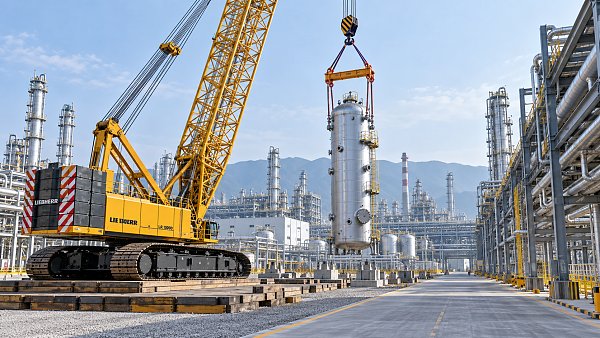
For crawler cranes, maximum rated tonnage alone is insufficient. Compare capacity at the required radius, boom configuration, counterweight arrangement, ground conditions, and applicable operating restrictions.
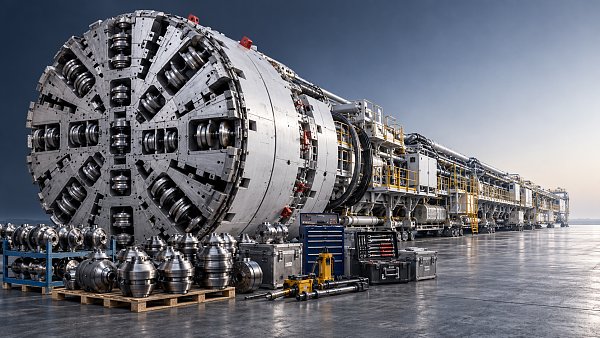
For tunnel boring machines, excavation diameter, face support method, torque, thrust, and wear protection must match anticipated geology. Misalignment can create expensive modifications and delays.
Distinguish essential engineering margins from speculative oversizing. Additional capacity can protect delivery, but excess weight and power may increase transport, infrastructure, and maintenance costs permanently.
Request separate prices for the base machine, mandatory options, commissioning support, initial spares, tooling, training, and software so procurement can identify omissions before commercial negotiations.
How Do Specifications Turn Into Installation and Site Costs?
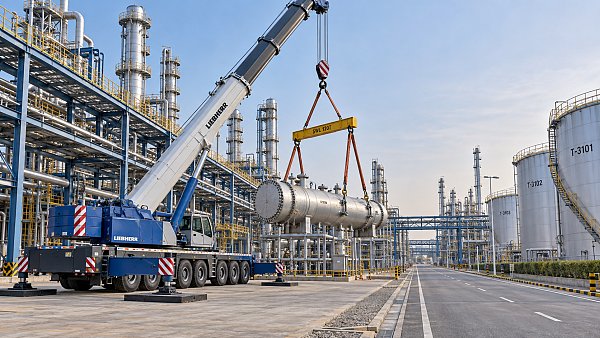
Installation costs begin before delivery. Equipment dimensions, shipping weights, lifting points, assembly requirements, and connection loads determine whether existing routes and facilities can support deployment.
A machine that crosses a transport threshold may need additional dismantling, special trailers, permits, escorts, route surveys, or temporary bridge works, depending on local requirements.
Operating weight and ground pressure influence foundation design, crane mats, working platforms, and pavement reinforcement. These enabling works belong in the comparison, even when separately contracted.
Electrical specifications can trigger transformer upgrades, switchgear, cables, charging infrastructure, or grid connection work. Confirm peak demand, starting behavior, power quality, and available supply capacity.
For a TBM, assess launch arrangements, backup system space, ventilation, cooling, spoil removal, and segment logistics. Machine pricing alone rarely captures the complete construction system.
Request an installation interface schedule identifying each connection, responsible party, design deadline, and acceptance criterion. Unassigned interfaces frequently become late variations or schedule exposure during commissioning.
Which Operating Costs Deserve the Closest Scrutiny?
Energy consumption should be assessed across the expected duty cycle. Installed engine power or motor rating alone cannot establish fuel consumption or electricity use accurately.
Ask suppliers for consumption estimates with stated assumptions, including payload, gradient, material resistance, idle time, ambient conditions, and auxiliary loads. Compare estimates using identical scenarios.
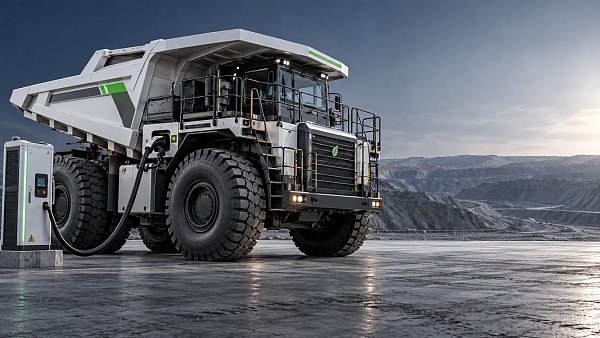
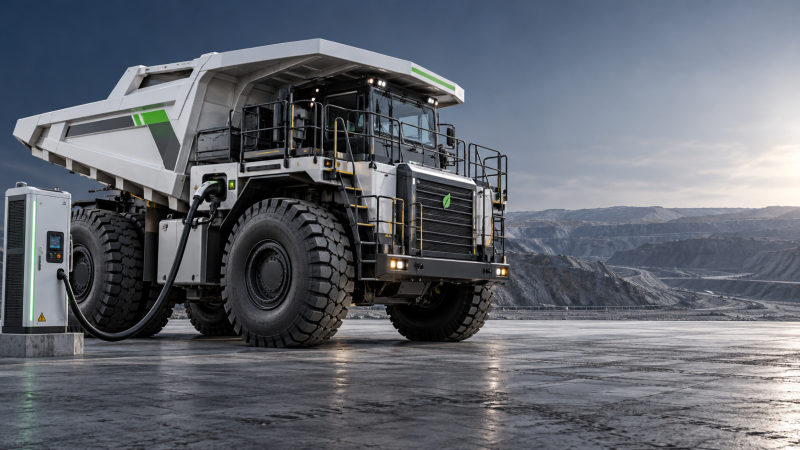
Electric mining trucks illustrate this dependency clearly. Battery capacity affects purchase price, payload allowance, charging frequency, infrastructure requirements, and the number of trucks needed for production.
Maintenance costs depend on component life, service intervals, lubrication requirements, filtration, access, and repair complexity. Obtain replacement schedules and prices for major wear components directly.
Downtime deserves separate attention. A lower maintenance bill offers limited value if unavailable parts or difficult component removal extend outages during a critical production period.
Estimate downtime using project economics: standby resources, replacement rental, or lost contribution where appropriate. Avoid counting both lost output and replacement production against the same interruption.
Labor requirements also vary with specifications. Automation may reduce repetitive tasks, but benefits depend on staffing arrangements, connectivity, operator training, technical support, and reliable integration.
How Should Procurement Calculate Total Cost of Ownership?
Use a common evaluation period and operating scenario for every compliant bid. Include acquisition, deployment, operating expenses, major repairs, end-of-life costs, and expected resale proceeds.
For multiyear comparisons, discount future cash flows using the organization’s approved rate. Keep inflation, energy escalation, currency assumptions, and tax treatment consistent across all alternatives.
Divide lifecycle cost by useful output where productivity differs. Cost per tonne, meter advanced, or accepted paving area often reveals more than hourly cost alone.
The following simplified example compares two hypothetical machines delivering identical lifetime output. Figures are illustrative US dollars, with financing, taxes, and discounting excluded for clarity.
Machine B requires $650,000 more before operation but saves $700,000 in energy and maintenance, plus $200,000 through higher resale proceeds, producing a $250,000 lifecycle advantage.
However, this result does not establish acceptable payback. Procurement must examine annual cash flows, funding constraints, and whether the assumed operating savings arrive before project completion.
Resale proceeds are uncertain and occur late. Test lower residual values and reduced utilization before allowing an optimistic disposal assumption to justify a higher purchase price.
When Does Paying for Higher Specifications Make Sense?
A premium specification is valuable when it resolves a documented constraint, reduces credible lifecycle expense, or improves delivery reliability enough to outweigh its additional cost.
For example, additional cooling capacity may protect production in sustained heat. Its value depends on site temperatures, equipment derating behavior, and the cost of interrupted work.
A larger machine can also reduce fleet size, but only if loading, haul roads, maintenance facilities, and downstream processes can accommodate its increased productive capacity.
Conversely, a short project with limited utilization may favor a simpler specification, especially where infrastructure investment cannot be recovered through reuse, resale, or future contracts.
Run sensitivity cases for utilization, energy prices, wear life, availability, and residual value. Identify the utilization level at which the more expensive option becomes economical.
If small assumption changes reverse the ranking, treat the decision as uncertain. Seek stronger operating evidence, negotiate guarantees, or choose the option with more manageable exposure.
What Should the RFQ and Purchase Contract Require?
Issue a shared technical schedule covering required output, site conditions, equipment configuration, interfaces, service expectations, and exclusions. Require bidders to identify every deviation explicitly in writing.
Ask for evidence supporting critical claims: comparable applications, test conditions, maintenance histories, component life assumptions, and local service capability. Marketing specifications rarely provide sufficient context.
Define acceptance around measurable performance under agreed conditions, with clear test methods and responsibilities. Address remedies for shortfalls through commercially appropriate terms and legal review.
Clarify warranty exclusions, consumable coverage, response times, spare parts availability, diagnostic access, software subscriptions, and training. These details determine how much operating risk remains with buyers.
Record each major assumption, its source, its owner, and its confidence level. This makes the recommendation auditable and helps operations verify savings after equipment enters service.
Choose Specifications That Deliver the Lowest Credible Production Cost
Effective equipment specification planning cost analysis connects machine capability to the complete production system. Purchase price matters, but installation constraints and operating performance determine lasting value.
For procurement teams, the practical sequence is straightforward: define required output, confirm site compatibility, normalize supplier scope, model lifecycle costs, and test the assumptions that matter.
Select the compliant specification that delivers required production at the lowest credible lifecycle cost, supported by evidence and contractual commitments proportionate to the project’s operating risks.