
Industrial Equipment Supplier Audit: What Buyers Should Check Before Approval
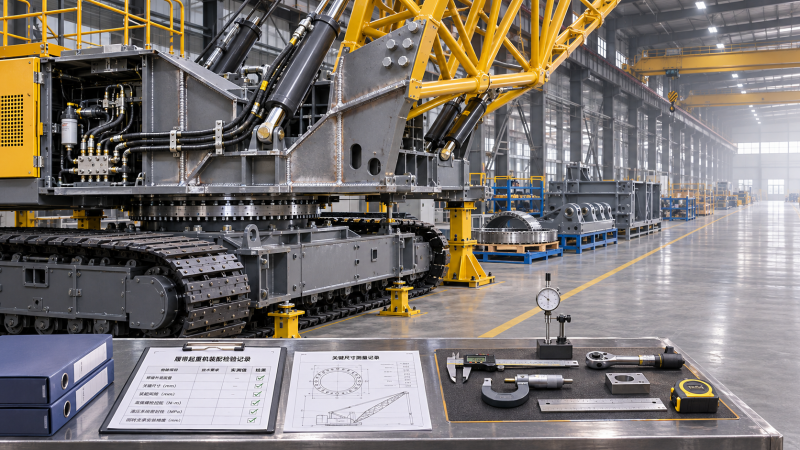
An industrial equipment supplier audit helps procurement teams identify risks before approving a vendor and committing to costly machinery.
Beyond price and specifications, buyers need confidence in manufacturing capacity, quality controls, safety compliance, delivery performance, and after-sales support.
For heavy equipment such as tunnel boring machines, mining trucks, and crawler cranes, a weak supplier can expose a project to delays, downtime, and rising total cost of ownership.
This guide outlines the key checks buyers should make to support a more informed supplier approval decision.
The central question is whether the supplier can deliver the specified equipment, with verifiable quality and dependable support, within the project’s actual operating and commercial constraints.
Start With the Risks That Could Stop Your Project
Before scheduling an audit, identify the equipment’s critical functions, operating environment, delivery milestones, and expected service life. These determine which supplier weaknesses deserve the closest scrutiny.
A replacement pump for an existing fleet may need a focused quality review. A custom tunnel boring machine usually warrants deeper engineering, production, testing, and service assessments.
Include engineering, quality, operations, maintenance, and safety representatives in planning. Procurement can then connect technical findings to contract terms, delivery exposure, and total cost of ownership.
Document the required outputs before the visit: an approved scope, evidence list, named audit participants, decision criteria, and a process for resolving findings.
Ask the supplier to identify the manufacturing sites, subcontractors, and service entities involved in your order. Audit the parties responsible for critical work, not just the sales office.
Industrial Equipment Supplier Audit Checklist: What to Verify
Use the following checks to move from supplier claims to evidence. Adjust their depth according to equipment complexity, project criticality, and the supplier’s previous performance.
1. Confirm Technical Capability Against Your Specification
Review the supplier’s interpretation of the specification, including duty cycles, load limits, environmental conditions, interfaces, and applicable performance requirements. Record exclusions and assumptions explicitly.
Ask engineers to explain how the proposed design meets the intended application. Request calculations, drawings, material selections, and a documented process for reviewing design changes.
For a crawler crane, examine the configuration and load charts relevant to the planned lifts. Confirm that ground conditions, wind limits, and site constraints are addressed.
For a tunnel boring machine, assess how the proposed cutterhead, ground support systems, and maintenance access respond to the available geological information and project uncertainties.
Check the supplier’s experience with comparable equipment and conditions. References should describe actual scope, operating environment, delivery date, and any significant performance or service issues.
Where possible, speak directly with a reference customer and ask what changed after commissioning, how quickly problems were resolved, and whether promised performance was demonstrated.
2. Test Manufacturing Capacity and Delivery Credibility
A stated production capacity is useful only if the facilities, people, and critical components will be available when your order enters the production schedule.
Review current workload, planned shutdowns, key equipment availability, and staffing for welding, machining, assembly, inspection, and testing. Ask how competing orders are prioritized.
Trace the proposed delivery date backward through engineering approval, long-lead purchases, fabrication, assembly, testing, shipping, and customs clearance. Identify the assumptions behind each milestone.
Request evidence for critical components, such as supplier commitments or realistic lead-time data. Pay particular attention to large castings, drives, hydraulic systems, and control electronics.
For mining trucks or ultra-large excavators, ask how the supplier manages transport dimensions, disassembly, site assembly resources, and commissioning when calculating the delivery commitment.
Evaluate contingency plans for a late component or production bottleneck. A credible plan names alternative sources, recovery actions, decision owners, and effects on the schedule.
3. Examine Quality Control in Practice
Quality certifications can indicate an established management system, but buyers should verify that its scope covers the relevant sites and activities and that certification remains current.
Sample recent inspection records for comparable products. Look for acceptance criteria, actual results, traceability to equipment or batches, inspector identification, and evidence of resolved deviations.
Review controls for critical processes such as welding, heat treatment, machining, coating, and software configuration. Confirm that personnel qualifications and inspection methods match project requirements.
Ask how the supplier handles nonconforming materials and customer complaints. Follow one example from detection through containment, root-cause analysis, corrective action, and effectiveness verification.
For load-bearing crane structures, examine material traceability and the inspection approach for critical welds. Confirm where nondestructive testing is required and who reviews the results.
Agree on a project-specific inspection and test plan, including hold points, witness points, acceptance criteria, and the records the buyer will receive before shipment.
4. Verify Safety and Regulatory Responsibilities
Identify the rules and standards applicable in the destination market and project setting. Requirements depend on equipment type, location, intended use, and contractual obligations.
Request the applicable declarations, test reports, certificates, and technical documentation. Check their scope and validity against the actual model, configuration, and manufacturing site.
Review machine guarding, emergency stops, access for maintenance, control-system safeguards, and operator information. Ask how identified hazards are reduced and communicated to the user.
For mining equipment, discuss site-specific requirements such as altitude, temperature, fire protection, and braking performance. Confirm who validates suitability for the operating conditions.
Define responsibilities for permits, independent inspections, local modifications, and final acceptance. Supplier documentation alone does not establish that every site obligation has been met.
5. Check Financial Health and Supply Chain Exposure
Long manufacturing schedules and decades of equipment support make supplier continuity commercially significant. Assess financial information proportionately and protect confidential material under appropriate agreements.
Look for evidence of financial stability, such as available statements, payment history, ownership changes, or credit information. Investigate concerns that could affect production or warranty support.
Map critical subcontractors and single-source components. Ask who owns the design information, whether alternatives are qualified, and how the supplier monitors subcontractor quality and delivery.
Where a component is obsolete or difficult to replace, request a lifecycle plan covering spare parts, software support, substitutes, and notification of future discontinuation.
Can the Supplier Support the Equipment After Delivery?
For procurement teams, the purchase price is only one part of the decision. A machine that waits weeks for a critical component can rapidly erode initial savings.
Assess service coverage for the actual project location, including technician availability, travel arrangements, working hours, language, and the supplier’s escalation process for serious failures.
Request a recommended spare-parts list linked to expected failure risks and lead times. Separate commissioning spares, routine maintenance items, and components needed to limit extended downtime.
Ask which parts are held locally, which must be imported, and whether quoted availability is contractual or indicative. Check pricing and replenishment arrangements for critical stock.
Review warranty duration, exclusions, response obligations, and the process for diagnosing a claim. Clarify who pays for travel, freight, labor, and replacement components.
Evaluate training for operators and maintenance teams, including commissioning support, manuals, diagnostic tools, and access to software updates. Confirm the languages and formats required on site.
For connected or remotely controlled machines, clarify data access, cybersecurity responsibilities, software licensing, and support if connectivity is interrupted or the service agreement ends.
Compare suppliers using a common operating scenario. Include energy or fuel, consumables, planned maintenance, parts, training, downtime exposure, and end-of-life costs where estimates are defensible.
How to Run the Audit and Evaluate Evidence
Begin with a document review, then use interviews, facility observations, and record sampling to test whether stated procedures operate in practice. Remote reviews can supplement site visits.
Follow a representative order from specification review through purchasing, production, inspection, testing, and shipment. This reveals handoff problems that isolated presentations may miss.
Record each finding with its requirement, supporting evidence, affected equipment or process, and potential consequence. Distinguish verified facts from claims that still need confirmation.
Use a consistent rating method across suppliers, but give critical requirements independent pass-or-fail treatment. A strong commercial score should never cancel an unresolved safety or capability gap.
A practical approach is to classify findings as critical, major, or minor according to their potential impact. Define those categories before the audit and apply them consistently.
For example, an unqualified critical welding process could block approval; an incomplete training record may require correction before production; a minor filing issue may warrant follow-up.
These examples are illustrative. The actual rating should reflect the equipment’s application, contractual requirements, available evidence, and the likely consequences of failure.
Share findings with the supplier promptly and request a corrective-action plan with an owner, deadline, and evidence of completion. Verify effectiveness where the risk warrants it.
Make an Approval Decision You Can Defend
End the audit with a documented recommendation: approve, approve conditionally, defer pending further evidence, or reject. State the scope, sites, equipment, and activities covered.
Full approval is appropriate when critical requirements are met and remaining issues are acceptable under the organization’s criteria. Record any limits on models, locations, or order value.
Conditional approval can work when open issues are controllable and have clear deadlines. Specify which actions must be verified before purchase order release, production, or shipment.
Defer approval when essential evidence is missing, such as a credible capacity plan or required test results. Reject when unacceptable gaps cannot be resolved within project needs.
Translate the decision into purchase-order and contract requirements. Include technical specifications, inspection rights, delivery milestones, documentation, performance tests, service commitments, and remedies where appropriate.
For custom machinery, define factory and site acceptance tests, test conditions, responsibilities, and treatment of defects. Confirm how design changes will be approved after the order.
Approval should also trigger monitoring. Track milestone performance, quality escapes, corrective actions, service response, and significant ownership or subcontractor changes throughout the supplier relationship.
Build Confidence Before Making the Commitment
An effective industrial equipment supplier audit connects technical evidence to the buyer’s delivery, safety, and operating risks. Its value lies in the decisions and contract controls it supports.
Prioritize the requirements that could stop the project, verify the supplier’s claims, and close critical gaps before committing. Reassess performance as equipment and operating conditions change.
Have questions about this sector analysis, or seeking best practices specific to your niche? Drop us a line below and let the senior consultants at TF-Strategy assist you.
Related News
 Nov 22, 2026Industrial Equipment Supplier Audit: What Buyers Should Check Before ApprovalIndustrial equipment supplier audit: discover the essential checks for quality, capacity, safety, delivery, and support before approving a vendor.
 Nov 21, 2026Road Construction Equipment in Europe: Choosing Machines for Road ProjectsRoad construction equipment Europe: discover how to choose a balanced fleet, meet site requirements and control costs for successful road projects.
 Nov 20, 2026Choosing Tunnel Boring Machines for Hard Rock: Key Geological FactorsChoosing tunnel boring machines for hard rock? Discover how geology, abrasivity, groundwater, and rock stress shape machine selection and reduce project risk.
 Nov 19, 2026Selecting TBM Electrical Systems: Power Supply and Tunnel ConstraintsExplore how to select TBM equipment electrical systems for your power supply and tunnel constraints, reduce downtime risks, and make smarter procurement decisions.

Ms. Elena Rodriguez
Weekly Insights
Stay ahead with our curated technology reports delivered every Monday.