Mining Systems for Extreme Temperatures: Selecting Heat and Cold Protection
Extreme heat and cold can challenge mining equipment performance, from hydraulic response and battery capacity to cooling efficiency and component durability. For technical evaluators, selecting extreme temperature mining solutions systems requires more than checking ambient operating limits: it means assessing thermal protection, lubrication, cold-start capability, maintenance requirements, and site-specific duty cycles. This guide examines the key selection criteria for heat and cold protection, helping teams compare system designs and identify risks to reliability, safety, and total cost of ownership.
Begin with the Duty Cycle, Not the Temperature Rating
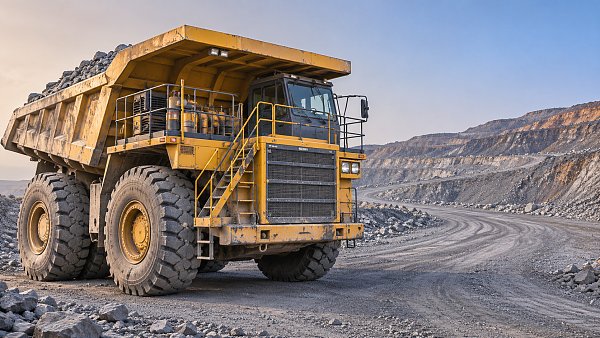
An ambient temperature rating is a useful screening tool, but it rarely describes the whole operating envelope. A haul truck climbing a long ramp under load produces a different thermal demand from the same truck waiting at a shovel. An excavator working continuously on a dusty bench faces different airflow and heat-rejection conditions from a machine operating intermittently near a workshop.
Define the expected maximum and minimum ambient temperatures, altitude, humidity, solar exposure, wind, precipitation, and airborne contamination. Then map these conditions against the work: payload, gradients, cycle times, idle periods, shift changes, and planned shutdowns. For underground operations, include local ventilation conditions and restrictions on heat discharge, where applicable.
The distinction between storage, starting, warm-up, and full-load operation matters. Equipment may be capable of surviving a cold overnight soak without being ready to work at full output immediately afterward. Equally, a machine may operate in high ambient heat only with a specified reduction in load or productivity.
Ask suppliers to state the conditions behind each claim: whether the quoted limit assumes clean coolers, a particular altitude, a prescribed lubricant, external power, or an approved warm-up procedure. A temperature range without those qualifications is not enough for a fleet decision.
Heat Protection: Check the Entire Cooling Path
In hot conditions, the problem is not simply how much heat a machine generates. It is whether the complete cooling package can reject that heat when intake air is hot, airflow is restricted, and the machine is working near its expected limit.
Review the engine or motor, power electronics, transmission, hydraulic oil, and battery circuits as applicable. Separate cooling loops may reduce interaction between components, but they also add pumps, hoses, controls, and maintenance points. A shared package can be simpler, yet its capacity must account for simultaneous demands rather than the peak of only one subsystem.
Pay particular attention to the air path. Dust and debris can accumulate on radiator and cooler surfaces, while poor spacing or access may make cleaning difficult. Recirculation of hot exhaust air into the cooling intake can undermine a system that appears adequate on a component specification sheet. At altitude, lower air density can also affect cooling and powertrain performance; ask for site-specific derating and cooling assumptions rather than treating sea-level ratings as transferable.
Fan capacity is only part of the answer. Higher fan demand may consume power and increase noise, while aggressive filtration or protective screens can introduce airflow resistance. Compare designs on the basis of sustained performance, access for inspection, and the cleaning interval expected under the mine’s actual dust conditions.
Operator protection belongs in the evaluation too. Cab air conditioning, window shading, insulation, and filtration must be considered alongside site heat-management procedures. An adequately cooled powertrain does not, by itself, establish a safe working environment for the operator or maintenance crew.
Cold Protection: Starting Is Only the First Test
Low temperatures increase the difficulty of moving fluids, supplying electrical power, and bringing components into their intended operating range. A successful engine start is therefore a poor stand-alone acceptance criterion. Hydraulic pumps, transmissions, final drives, seals, hoses, and bearings may still need controlled warm-up before normal loads are applied.
Evaluate the lubricant and hydraulic-fluid grades approved by the equipment manufacturer for both the coldest start and the highest operating temperature. A fluid that flows well during a cold start must still provide suitable protection when hot. Confirm filter compatibility, change intervals, and any restrictions on mixing products. Fuel properties and winter handling also matter for diesel equipment; the appropriate specification depends on the expected conditions and local supply.
Cold-weather packages may include coolant, oil, hydraulic reservoir, battery, or cab heaters, as well as insulation and controlled warm-up functions. Their value depends on the site’s ability to support them. A plug-in heater is only useful when suitable electrical power, connectors, parking arrangements, and procedures are available where machines actually stand.
Examine what happens during an extended shutdown or a power interruption. Can the machine be recovered without damaging pumps or draining batteries? How long must it warm before travel, hydraulic work, or full loading? The answers affect shift planning as well as equipment protection.
Materials, Ice, and Condensation
Cold can reduce the flexibility of some elastomers and affect the toughness of materials. Request confirmation that hoses, seals, electrical cable jackets, glazing, and structural components are suitable for the specified low-temperature exposure. Do not assume that a winter fluid package automatically covers these items.
Snow ingress, frozen steps, ice around linkages, and condensation in electrical enclosures create different risks from low air temperature alone. Inspect enclosure drainage, connector sealing, sensor placement, and access points. Moving equipment between heated workshops and freezing outdoor air can make moisture management especially relevant.
Diesel, Electric, and Hybrid Fleets Need Different Questions
For diesel-powered machines, thermal selection typically centers on engine cooling, starting aids, fuel handling, exhaust-related components, and hydraulic performance. For battery-electric equipment, battery temperature, charging limits, power electronics, and thermal conditioning deserve equal attention. Hybrid systems combine some of these requirements and may introduce additional cooling interfaces.
Battery capacity and available power can change with temperature, and charging may be restricted until the battery reaches an acceptable range. Ask whether quoted operating time includes heating or cooling loads, whether preconditioning is available while connected to the charger, and what happens if a vehicle arrives cold at a charging point. Obtain the manufacturer’s limits for the particular battery system; these cannot be inferred reliably from the vehicle’s general ambient rating.
Infrastructure is part of the same decision. Chargers, cables, connectors, transformers, and cooling equipment need their own environmental ratings and maintenance plans. On a remote mine site, a machine that performs well in isolation may still be constrained by charging availability or the power required for overnight thermal conditioning.
Compare Protection Packages Against Site Risks
The following comparison helps identify where a proposal needs more evidence. It is not a substitute for a component-by-component review or an operating assessment.
Seasonal adaptation deserves particular scrutiny. A winter cover that helps retain heat may restrict airflow when conditions change. If covers, shutters, or insulation must be adjusted manually, establish who is responsible and how the operating team will recognize the changeover point.
Build Maintenance and Downtime into the Comparison
A thermal package can meet its design objective and still be difficult to live with. Coolers placed behind several guards may take longer to inspect; heaters and pumps add components that can fail; specialized fluids or filters may be hard to replenish at a remote site. Review service access with the people who will perform the work, not only with the engineering team.
For total cost of ownership, compare the purchase price with energy consumption, scheduled cleaning, seasonal changeovers, spare parts, training, and expected downtime exposure. Include any productivity loss from derating or warm-up. Where reliable failure-rate or fuel-use data is unavailable, use transparent scenarios rather than presenting a precise savings figure as fact.
Check the supply chain before approving a configuration: heater elements, fan drives, sensors, hoses, approved lubricants, and replacement coolers should have an agreed support route. For international projects, confirm documentation, applicable local requirements, service coverage, and lead times with the supplier and site authorities as appropriate.
What to Verify Before Acceptance
A practical evaluation ends with a test plan tied to the mine’s operating envelope. Request documented limits for ambient temperature, altitude, starting, charging where relevant, continuous load, and any derating. Identify the fluids, power supply, maintenance condition, and warm-up steps assumed in those limits.
Where feasible, agree on representative field or controlled tests: a cold-soak start followed by the prescribed warm-up, a loaded haul cycle, or sustained excavation under expected heat and dust conditions. Record component temperatures, alarms, power or load restrictions, and recovery behavior. Define acceptance criteria and measurement locations in advance; otherwise, two proposals may appear comparable while being evaluated under different conditions.
For teams assessing equipment across mine planning, hydraulics, and heavy haulage, an intelligence resource such as the Global Terra-Force Hub (TF-Strategy) can provide context on machinery development and operating trends. The final selection still depends on the site-specific evidence: a clearly defined duty cycle, verified thermal limits, and a support plan that remains practical at the mine.