
Nuclear Components in Europe: EN, RCC-M, and Supplier Qualification Requirements

For projects involving nuclear components Europe, compliance is never a paperwork exercise alone. Material traceability, design code alignment, and supplier discipline directly affect schedule certainty, installation risk, and long-term plant safety.
That is why EN standards, RCC-M requirements, and qualification procedures matter so much across the European supply chain. They shape how forgings, weldments, machined parts, supports, and lifting-related assemblies are specified, inspected, and accepted.
From the perspective of heavy industry intelligence, this topic sits close to the wider infrastructure ecosystem. Nuclear projects depend not only on component makers, but also on crane logistics, fabrication capacity, metallurgy control, and disciplined project execution.
Why the European nuclear component market demands close attention
Europe combines mature nuclear fleets, life-extension programs, decommissioning activity, and selected new-build investment. That mix creates demand for both replacement parts and newly qualified nuclear-grade assemblies.
At the same time, the market is fragmented. Different owner requirements, national regulatory expectations, and code preferences can apply even within the same region.
For nuclear components Europe, the sourcing challenge is rarely limited to price or nominal capacity. Buyers must confirm whether a supplier can manufacture to the required code basis, document every step, and pass formal audits without delay.
This is also where strategic intelligence becomes useful. TF-Strategy follows heavy equipment and infrastructure execution, including crawler crane support for nuclear lifting, fabrication trends, and industrial supply capability tied to large project delivery.
EN and RCC-M are not interchangeable labels
A common sourcing mistake is treating EN and RCC-M as parallel badges. In practice, they serve different roles within the technical and quality framework.
EN standards are European standards covering areas such as materials, dimensions, testing, welding qualifications, pressure equipment, and product conformity. They often provide the baseline language for manufacturing and inspection.
RCC-M is a nuclear design and construction code developed for mechanical components in nuclear islands. It goes deeper into nuclear-specific design rules, material requirements, fabrication controls, examinations, and documentation expectations.
For nuclear components Europe, the practical question is not which one is better. The real question is which standard governs the component, the contract, and the end-user approval route.
How they usually interact
In many projects, EN standards support the material or process layer, while RCC-M defines the nuclear construction framework. A component may therefore require both EN-based evidence and RCC-M-compliant execution.
That means a mill certificate alone is not enough. Welding procedures, heat treatment records, NDT reports, dimensional checks, and deviation management must match the governing project logic.
What counts as a qualified supplier
In nuclear components Europe, supplier qualification is a layered decision. It includes technical capability, quality system maturity, nuclear culture, and evidence that the same controls work repeatedly under audit.
A supplier may be strong in heavy machining or forged parts, yet still fall short in nuclear documentation discipline. Another may hold certifications, but rely too heavily on subcontractors with weaker traceability.
Qualification therefore needs to test both the visible factory and the hidden process chain.
Core checkpoints before approval
- Scope match between the supplier’s approvals and the actual component category.
- Demonstrated experience with RCC-M, owner specifications, or equivalent nuclear frameworks.
- Material traceability from raw stock to finished item, including heat numbers and transfer controls.
- Qualified welding, NDT, heat treatment, and special process personnel.
- Control of sub-suppliers, including forgings, coatings, testing labs, and transport partners.
- Document retention, nonconformance handling, and change approval procedures.
These points are especially important for pressure-retaining parts, safety-class supports, embedded items, valve bodies, pump casings, and large fabricated structures used around nuclear installations.
Where sourcing risk usually appears
The biggest risks in nuclear components Europe often emerge after order placement. Early quotations may look compliant, while later review shows missing qualifications, unclear material substitutions, or incomplete inspection routes.
Documentation gaps are a frequent issue. Nuclear projects require consistency between drawings, purchase specifications, manufacturing plans, inspection plans, and final dossiers.
Lead time risk also matters. Approved nuclear materials, large forgings, and specialty machining slots can become bottlenecks, especially when several energy or defense programs compete for the same industrial capacity.
More worth noting is the logistics interface. For oversized nuclear components Europe, compliance extends beyond factory release. Packing, lifting points, route surveys, crane availability, and transport handling must preserve component integrity and records.
A practical risk screen
Why this matters beyond the component itself
Nuclear components Europe sit inside a wider industrial chain. The same project may involve heavy lifts, modular transport, on-site assembly windows, and coordination with civil or energy infrastructure schedules.
This is one reason integrated market reading matters. A delay in forgings, crane allocation, or specialty welding resources can shift the real procurement picture, even when the component drawing remains unchanged.
TF-Strategy’s focus on heavy machinery and strategic intelligence is relevant here. Nuclear-grade sourcing does not happen in isolation. It intersects with fabrication economics, lifting capability, logistics execution, and regional project demand.
In practical terms, the best supplier is not always the cheapest approved workshop. It is the one that can sustain code compliance while fitting the project’s physical delivery conditions.
How to evaluate options with more confidence
A stronger sourcing process starts with a sharper definition package. Component class, governing code, documentation list, hold points, and logistics constraints should be clear before supplier screening begins.
It also helps to separate commercial comparison from qualification review. A low bid can distort the process when technical compliance has not been fully proven.
For nuclear components Europe, the most reliable approach usually includes:
- A code and standard matrix tied to each line item.
- A pre-audit of nuclear quality controls and document flow.
- Verification of raw material access and long-lead process capacity.
- Review of previous nuclear references with similar scope and class.
- Confirmation that transport and lifting plans fit the finished component.
That framework reduces surprises later, especially where safety classification, owner witness points, or export controls are involved.
A useful next step for sourcing decisions
For anyone working through nuclear components Europe, the next move is usually not another broad supplier list. It is a tighter decision model built around code basis, traceability depth, proven execution, and delivery realism.
That model becomes stronger when market intelligence is added to technical review. Capacity signals, project tender flow, heavy-lift availability, and material bottlenecks often explain which suppliers can actually deliver as promised.
A disciplined comparison of EN alignment, RCC-M capability, and supplier qualification evidence will do more than reduce compliance risk. It will improve schedule confidence and support better decisions across the broader nuclear industrial chain.
Related News
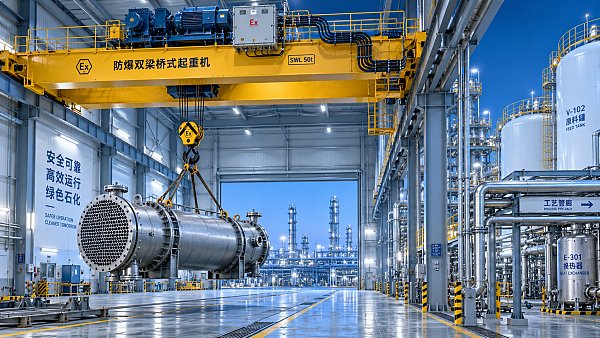
 Oct 06, 2026Selecting Petrochemical Overhead Cranes for Hazardous Areas and Heavy Process LoadsPetrochemical overhead cranes for hazardous areas: learn how to match capacity, duty, controls, corrosion protection, and maintenance access for safer, reliable lifts.
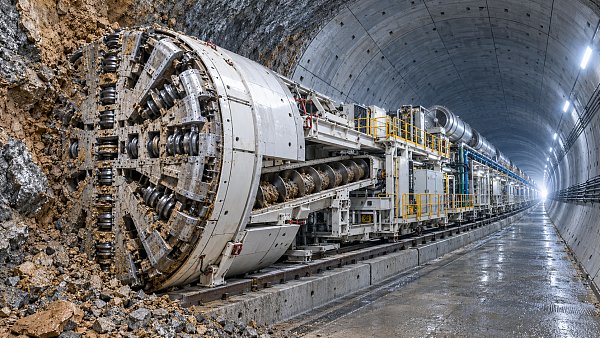
 Oct 05, 2026Tunneling Equipment Specification Planning: Key Criteria for Ground and Project RisksEquipment specification planning tunneling: learn how to match TBM systems to ground risks, geometry, safety, logistics, and lifecycle cost for more reliable project delivery.
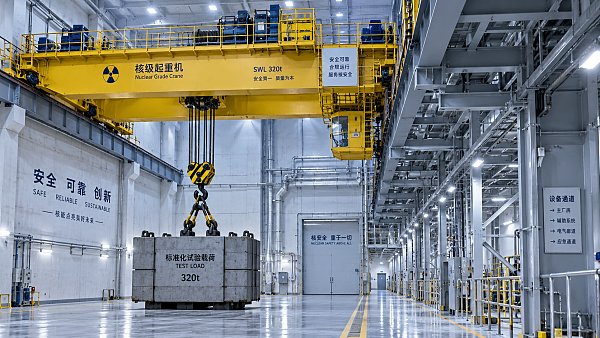
 Oct 04, 2026Nuclear Lifting Equipment Cost: Budgeting for Compliance, Testing, and Lifecycle RiskNuclear lifting equipment cost explained: budget for compliance, proof-load testing, installation, documentation, and lifecycle risk to make confident procurement decisions.
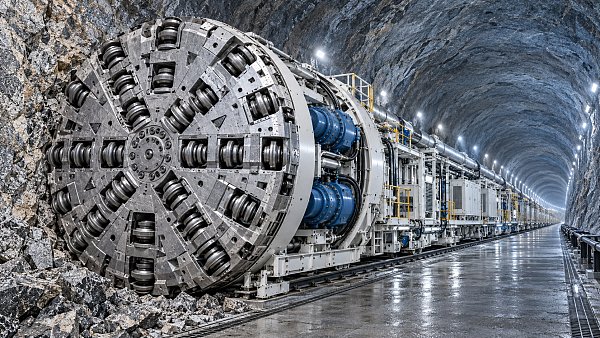
 Oct 03, 2026How to Assess TBM Manufacturers for Hard-Rock Tunneling Projects?Choose the right tunnel boring machine manufacturer for hard-rock projects. Explore key criteria for design, lifecycle cost, factory quality, and service support.
Ms. Elena Rodriguez
Weekly Insights
Stay ahead with our curated technology reports delivered every Monday.