
Mining Equipment Comparison: Which Metrics Matter Most for Fleet Selection?

Mining Equipment Comparison: Which Metrics Matter Most for Fleet Selection?
In any mining equipment comparison, headline specs rarely tell the full story.
A larger payload or higher engine rating may look attractive on paper.
Yet fleet selection is usually won or lost in daily operating conditions.
That means cycle delays, ramp resistance, maintenance access, operator behavior, and haul road quality all matter.
A practical mining equipment comparison should connect productivity, reliability, and cost instead of treating them separately.
This is especially true in open-pit operations, where one weak link affects the whole system.
From a decision standpoint, the best fleet is rarely the one with the biggest brochure number.
Start with the Production System, Not the Machine Alone
A disciplined mining equipment comparison begins with the production target.
How many tonnes per hour must the site move, and under which constraints?
That question shapes every other metric.
For example, a truck with strong payload may still underperform if loading tools are mismatched.
Likewise, a fast excavator may create queues if the haul fleet cannot clear material quickly enough.
In real operations, compatibility matters as much as individual capability.
A useful review should map each machine to:
- Bench height and digging profile
- Material density and fragmentation
- Haul distance and gradient
- Shift pattern and utilization target
- Fuel, power, and service infrastructure
Without this context, even a detailed mining equipment comparison can lead to the wrong fleet choice.
Payload Efficiency Matters More Than Rated Capacity
Payload is one of the first numbers people compare, but rated payload is not enough.
The stronger metric is payload efficiency across real shifts.
That means average carried load, percentage of target fill, and consistency from trip to trip.
A truck rated for 290 tonnes may look superior.
But if it usually runs at 82 percent fill because of shovel pass limits, the advantage shrinks fast.
In a mining equipment comparison, ask these questions:
- What is the average achieved payload over a month?
- How often is the machine overloaded or underloaded?
- How many loader passes are needed per truck?
- How much time is lost to load adjustment?
This approach gives a better view of throughput and structural stress at the same time.
Availability and Reliability Drive the Real Output
Availability is one of the most decisive factors in fleet selection.
A machine cannot produce if it is waiting for parts, service, or diagnostics.
This is where mining equipment comparison becomes more strategic.
You need both mechanical availability and operational availability.
Mechanical availability tracks readiness after repairs and scheduled maintenance.
Operational availability adds delays from tires, operator changeovers, fueling, and dispatch issues.
The more useful indicators include:
- Mean time between failures
- Mean time to repair
- Parts lead time
- Planned versus unplanned downtime
- Service labor hours per 1,000 operating hours
Recent market changes make local support networks even more important than before.
Cycle Time Often Separates Good Fleets from Expensive Fleets
Cycle time is where theoretical capacity meets site reality.
Even small delays repeat hundreds of times per shift.
Over time, that compounds into major production loss.
A complete mining equipment comparison should break cycle time into loading, travel loaded, dumping, return travel, and queue time.
This breakdown reveals where machine design actually supports faster movement.
For instance, drivetrain response, retarding performance, steering behavior, and body dump speed all affect cycle outcome.
More importantly, the same truck can show very different cycle performance on different roads.
That also means equipment selection should include road maintenance assumptions, not just machine data sheets.
Fuel Burn, Energy Use, and Cost per Tonne Must Be Linked
Fuel consumption is often reviewed in isolation, which is a mistake.
Low hourly fuel burn does not automatically mean lower operating cost.
The better metric is fuel or energy per tonne moved.
In a mining equipment comparison, this keeps productivity and efficiency in the same frame.
A machine may burn more fuel per hour but still win on cost per tonne because it finishes cycles faster.
This is becoming more relevant with hybrid and pure electric mining trucks entering larger fleets.
When evaluating energy performance, compare:
The key is to connect fuel data with cycle data, not review them in separate spreadsheets.
Maintenance Intervals and Serviceability Shape Lifecycle Cost
Maintenance intervals matter, but serviceability often matters more.
A long interval looks good until a component is difficult to access.
In a serious mining equipment comparison, service time should be treated as a cost driver.
This includes filter changes, tire work, lubrication points, fluid sampling, and major component replacement.
The clearer signal is total maintenance burden over the equipment life.
Look closely at:
- Scheduled service hours per interval
- Component life under local operating conditions
- Ease of access for field technicians
- Diagnostic software requirements
- Critical spare parts stocking needs
This is where total cost of ownership becomes more than a finance term.
Site Adaptability Can Override a Better Spec Sheet
A fleet that performs well in one mine may struggle in another.
That is why site adaptability deserves a central place in any mining equipment comparison.
Altitude, ambient temperature, dust, moisture, and road width all change operating behavior.
A truck that is efficient at sea level may lose power margin at high altitude.
A machine with advanced electronics may need stronger protection in abrasive dust environments.
This also affects cooling, braking, tire wear, and operator comfort.
Before final selection, validate the fleet against:
- Maximum sustained ramp grade
- Typical haul road rolling resistance
- Seasonal temperature swings
- Water management and mud exposure
- Workshop capability on site
A strong fit with site conditions often beats a higher nominal specification.
Use a Weighted Decision Model Before Final Procurement
The final step in mining equipment comparison is turning data into a decision structure.
A weighted model helps prevent one flashy metric from dominating the discussion.
In practice, the weight of each metric should match the mine plan and risk profile.
A high-output short-life pit may prioritize tonnes per hour.
A remote long-life operation may give more weight to reliability and parts availability.
A practical framework can score:
- Productivity per shift
- Availability and repair performance
- Fuel or energy cost per tonne
- Maintenance burden
- Site adaptability
- Supplier support strength
- Residual value and upgrade path
That creates a more defensible fleet decision.
It also makes supplier negotiations more concrete because tradeoffs are already visible.
The most effective mining equipment comparison does not ask which machine looks strongest.
It asks which fleet can sustain output with the lowest practical risk.
That shift in focus usually leads to better procurement outcomes.
When the metrics are connected and tested against site reality, fleet selection becomes clearer, faster, and far more reliable.
Related News
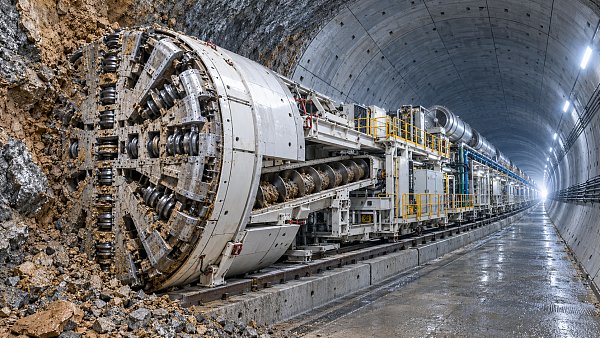
 Oct 05, 2026Tunneling Equipment Specification Planning: Key Criteria for Ground and Project RisksEquipment specification planning tunneling: learn how to match TBM systems to ground risks, geometry, safety, logistics, and lifecycle cost for more reliable project delivery.
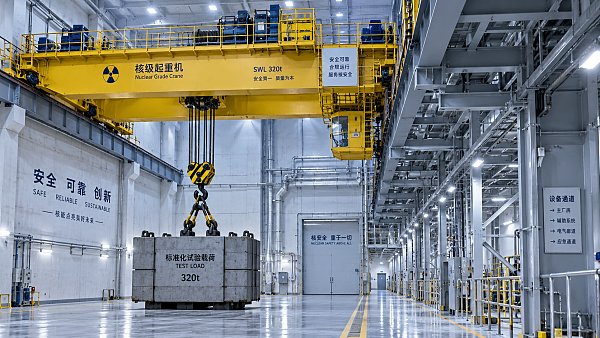
 Oct 04, 2026Nuclear Lifting Equipment Cost: Budgeting for Compliance, Testing, and Lifecycle RiskNuclear lifting equipment cost explained: budget for compliance, proof-load testing, installation, documentation, and lifecycle risk to make confident procurement decisions.
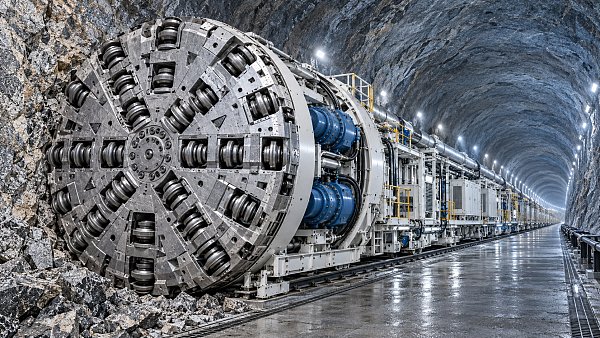
 Oct 03, 2026How to Assess TBM Manufacturers for Hard-Rock Tunneling Projects?Choose the right tunnel boring machine manufacturer for hard-rock projects. Explore key criteria for design, lifecycle cost, factory quality, and service support.
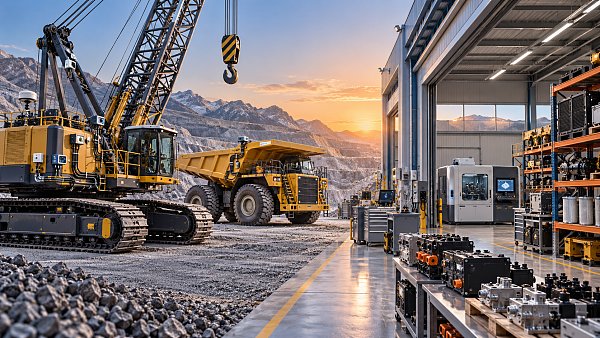
 Oct 02, 2026How to Evaluate Heavy Equipment Technology Suppliers for Fleet Uptime and SupportHeavy equipment technology suppliers can make or break fleet uptime. Learn how to assess diagnostics, data access, parts, service coverage, and support terms before you buy.
Ms. Elena Rodriguez
Weekly Insights
Stay ahead with our curated technology reports delivered every Monday.