
When Remote-Control Heavy Lifting Solutions Make Sense for Confined or Hazardous Areas

When Remote-Control Heavy Lifting Solutions Make Sense for Confined or Hazardous Areas
In confined shafts, unstable slopes, and high-risk process zones, choosing the right heavy lifting solutions remote control strategy can directly improve safety, precision, and project continuity.
For infrastructure, mining, and industrial projects, this approach is rarely about novelty. It is usually about removing people from exposure while keeping critical lifting work moving.
That is why heavy lifting solutions remote control now appear in more lift plans, crane method statements, and hazard reviews than they did a few years ago.
The real question is not whether remote operation sounds advanced. The practical question is when it creates measurable value, and when a conventional setup remains the better choice.
Why confined or hazardous areas change the lifting decision
Standard lifting methods assume stable access, clear sightlines, and manageable operator exposure. Confined or hazardous areas break those assumptions very quickly.
In a narrow shaft, the problem may be limited visibility and restricted movement. On a mine slope, it may be edge instability, dust, and falling material.
Inside petrochemical or energy facilities, the risk often comes from heat, gas exposure, blast zoning, or simultaneous operations around the lifting path.
In these settings, heavy lifting solutions remote control become relevant because they shift the operator away from the highest-risk point without stopping the task.
This also changes supervision quality. Teams can observe the lift from safer positions, with better communication discipline and fewer rushed decisions under pressure.
The strongest use cases for heavy lifting solutions remote control
Not every difficult site needs remote operation. The strongest cases usually combine restricted access, unstable surroundings, and a high consequence if positioning goes wrong.
1. Deep shafts and underground access points
Shaft sinking, TBM support work, and underground maintenance often create narrow work envelopes. Operators may have poor sightlines and limited emergency escape options.
Here, heavy lifting solutions remote control support slow, deliberate placement of segments, support frames, pumps, or service modules.
2. Open-pit edges and unstable slopes
Slope movement can turn a normal lift into a severe exposure event. Remote-controlled lifting reduces the need to keep an operator near a questionable edge.
This matters during shovel assembly, dewatering equipment moves, and emergency recovery in wet or fractured pit zones.
3. Process plants and hazardous industrial zones
Shutdown work often involves congestion, live interfaces, and strict lifting windows. Remote lifting can reduce exposure to heat, gas, or restricted process areas.
That makes heavy lifting solutions remote control useful for exchanger replacement, module handling, and work near flare, chemical, or pressure systems.
4. Wind, marine, and hard-to-access energy projects
Remote operation can help when weather windows are narrow and access routes are exposed. It also supports better control during repetitive component positioning.
This is increasingly relevant for nacelle work, heavy substation components, and maintenance lifts in challenging terrain.
What benefits are real, and which ones are often overstated
The most credible benefit is safety exposure reduction. Fewer people need to stand in the most dangerous position during setup, alignment, and final placement.
The second real benefit is precision under pressure. Operators can work from a controlled position with better visual support and calmer decision-making.
A third benefit is continuity. When access restrictions tighten, heavy lifting solutions remote control may allow the task to continue without redesigning the entire sequence.
Still, some claims are overstated. Remote operation does not automatically make a risky lift safe, cheap, or fast.
If signal reliability is poor, the layout is blind, or crews are undertrained, a remote setup may actually add complexity.
In actual projects, the best results come when remote control is treated as part of a full lifting method, not as a stand-alone equipment feature.
How to decide if remote-controlled lifting is justified
A good decision starts with a simple rule. Use heavy lifting solutions remote control when it reduces severe exposure without creating unmanageable operational uncertainty.
A practical review should cover five points:
- Access: Can operators safely remain near the machine during the full lift cycle?
- Exposure: Are slope failure, gas, heat, collapse, or moving plant credible threats?
- Control quality: Will remote operation improve visibility, alignment, or communication?
- Reliability: Are signal strength, power, camera support, and fail-safe systems proven for the site?
- Recovery: Is there a clear plan if the lift pauses, communication drops, or the load must be held?
If three or more points show strong risk or constraint, remote-controlled heavy lifting deserves serious consideration.
From a project controls view, that decision should be tied to downtime risk, incident prevention, and schedule protection, not just equipment preference.
Key implementation requirements that should not be skipped
Once heavy lifting solutions remote control are selected, execution discipline matters more than the technology label.
Site mapping and control zones
Define operator positions, blind spots, camera views, exclusion zones, and emergency stop authority before mobilization.
Signal and fail-safe validation
Test remote links in real site conditions, including dust, terrain shielding, steel congestion, and weather interference.
Operator and rigging team coordination
Remote-controlled lifts need sharper communication protocols. Hand signals alone are rarely enough in complex confined or hazardous work.
Step-by-step lift rehearsal
A rehearsal exposes delays, camera gaps, and staging errors early. That is especially valuable for single-window shutdown or underground tasks.
Contingency planning
Every plan should define what happens during signal loss, load instability, weather change, or access deterioration.
Common mistakes that weaken remote lifting performance
One common mistake is choosing remote control because the site looks difficult, without confirming whether it improves the actual lift path.
Another is underestimating visual limitations. A remote operator may need multiple camera angles, not just one forward view.
Teams also sometimes ignore rigging constraints. Heavy lifting solutions remote control cannot compensate for poor load balance or rushed attachment checks.
A further issue is weak integration with the permit system. In hazardous plants, lifting control must align with isolation, gas testing, and simultaneous work controls.
The pattern is consistent across sectors. Technology performs best when the method statement, crew capability, and site constraints are aligned from the start.
Where the market is moving next
A clearer signal in heavy industry is the convergence of remote control, telemetry, and project intelligence.
For organizations tracking TBM support, mining assembly, and large crane operations, data-backed lifting decisions are becoming more valuable than isolated equipment specs.
That shift fits the broader direction seen by TF-Strategy. Power and precision now depend on how machinery, site conditions, and delivery strategy are connected.
As projects become deeper, larger, and more regulated, heavy lifting solutions remote control will likely move from specialist option to standard planning consideration in selected risk zones.
Final decision guide
Heavy lifting solutions remote control make the most sense when access is restricted, exposure is serious, and precise placement still matters to schedule and asset integrity.
They are most effective in shafts, unstable mining zones, process facilities, and other areas where conventional operator positioning creates unacceptable risk.
The decision should be based on lift difficulty, environmental threat, signal reliability, and recovery readiness.
When those factors are reviewed carefully, remote-controlled heavy lifting stops being a trend topic and becomes a practical tool for safer, steadier project delivery.
Related News
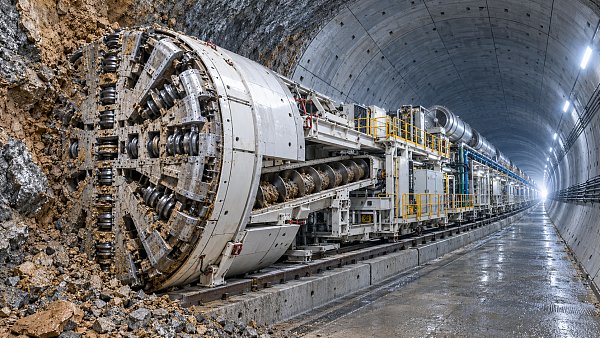
 Oct 05, 2026Tunneling Equipment Specification Planning: Key Criteria for Ground and Project RisksEquipment specification planning tunneling: learn how to match TBM systems to ground risks, geometry, safety, logistics, and lifecycle cost for more reliable project delivery.
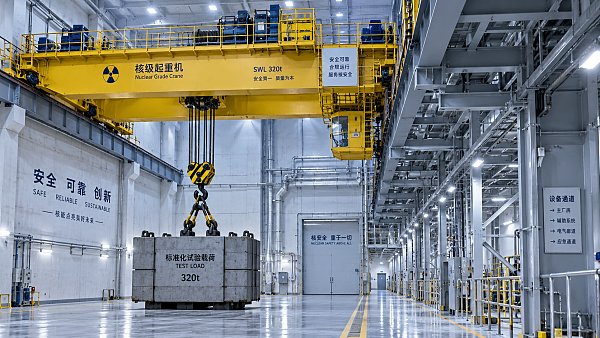
 Oct 04, 2026Nuclear Lifting Equipment Cost: Budgeting for Compliance, Testing, and Lifecycle RiskNuclear lifting equipment cost explained: budget for compliance, proof-load testing, installation, documentation, and lifecycle risk to make confident procurement decisions.
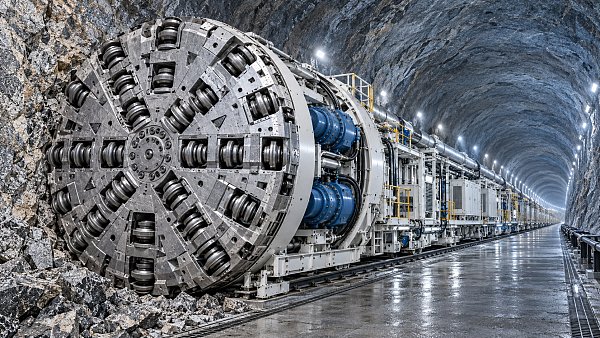
 Oct 03, 2026How to Assess TBM Manufacturers for Hard-Rock Tunneling Projects?Choose the right tunnel boring machine manufacturer for hard-rock projects. Explore key criteria for design, lifecycle cost, factory quality, and service support.
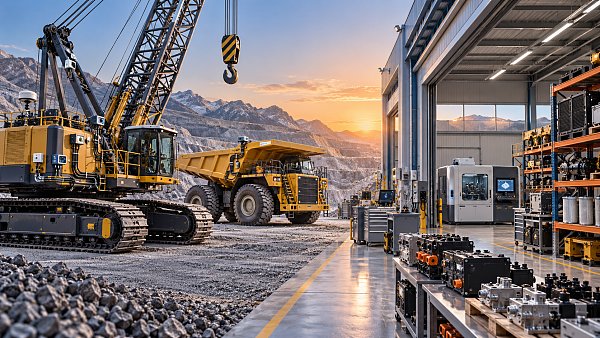
 Oct 02, 2026How to Evaluate Heavy Equipment Technology Suppliers for Fleet Uptime and SupportHeavy equipment technology suppliers can make or break fleet uptime. Learn how to assess diagnostics, data access, parts, service coverage, and support terms before you buy.

Structural Load Expert
Weekly Insights
Stay ahead with our curated technology reports delivered every Monday.