
Product Selection for Heavy Equipment: 7 Specs That Matter Before You Buy
Why does product selection for heavy equipment deserve more scrutiny than a brand shortlist?
Product selection for heavy equipment is rarely a simple catalog exercise. A machine that looks powerful on paper can still underperform once terrain, cycle time, transport limits, and maintenance windows are added.
That is why experienced teams compare specifications against actual jobsite demands, not just manufacturer reputation. In tunneling, mining, lifting, and paving, one mismatch can quietly increase fuel burn, idle time, and component wear.
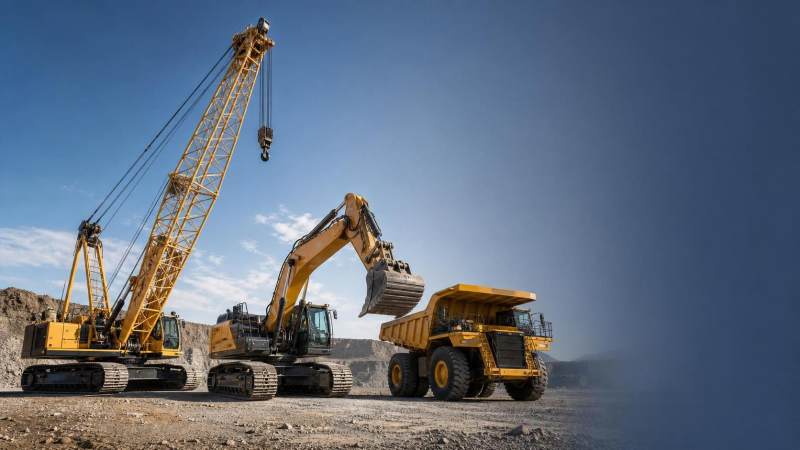
Across global infrastructure, this discipline matters even more. TF-Strategy follows TBM systems, ultra-large excavators, crawler cranes, road machinery, and mining dump trucks because their value depends on how physical parameters connect with engineering method and project risk.
In practical terms, good product selection for heavy equipment means asking a better question: which specifications actually control output, uptime, safety, and total cost over the machine life?
Which seven specs matter most before you buy?
Different machine classes use different terminology, but seven specification groups appear again and again in successful buying decisions. They shape real performance more than brochure claims.
- Rated output: power, torque, lifting moment, cutting force, payload, or paving capacity.
- Working range: digging reach, boom length, swing radius, tunneling diameter, or paving width.
- Duty cycle performance: sustained load behavior over long shifts, not peak numbers alone.
- Ground interaction: ground pressure, traction, undercarriage design, and slope capability.
- Transport and installation envelope: shipping dimensions, assembly time, and site access limits.
- Serviceability and parts structure: maintenance intervals, wear parts cost, and support lead time.
- Control and data systems: diagnostics, automation options, remote monitoring, and operator assistance.
The reason these seven matter is simple. They connect machine physics to production reality. A larger engine, for example, adds little value if cooling, traction, or structural endurance cannot support continuous work.
In product selection for heavy equipment, the right shortlist usually comes from balancing these specs together, not maximizing one of them in isolation.
How do you tell whether capacity numbers are real or just sales-friendly?
This is where many buying errors begin. Published capacity often reflects ideal conditions, standard attachments, and limited testing windows. Actual output depends on duty cycle, material density, altitude, ambient temperature, and operator consistency.
A crawler crane may show an attractive maximum lift chart, yet lose flexibility once radius, wind conditions, and assembly constraints are introduced. An excavator may promise breakout force, while bucket fill factor becomes the real bottleneck.
A better approach is to request specification data in operating context. Ask for derating factors, cycle assumptions, attachment pairing, and performance at site elevation. In mines and mountain projects, those details change economics quickly.
The table below helps turn product selection for heavy equipment into a structured review instead of a brand debate.
When comparing offers, ask suppliers to fill the same decision table. That usually exposes where one machine is strong and where another only looks competitive in a headline spec.
Does the best machine change by application, even within the same equipment class?
Yes, and this is one of the most overlooked points in product selection for heavy equipment. The right machine for urban tunneling is often the wrong one for hard-rock mining or wind-power installation.
For TBM projects, cutterhead design, thrust system, segment handling, and geology adaptation often matter more than headline diameter. Mixed ground and water-bearing strata can punish a poorly matched configuration.
For open-pit excavators and mining dump trucks, cycle balance is critical. A large loading unit without matching truck payload strategy creates queueing, fuel waste, and underused capital.
Crawler cranes are another good example. Lift chart strength matters, but site congestion, tail swing, boom combination, and assembly sequence often decide whether the crane works efficiently on a wind or petrochemical project.
Road machinery needs similar context. Paving width alone tells little without checking compaction train compatibility, thermal segregation risk, and digital grade control capability.
This is where intelligence-led comparison helps. TF-Strategy’s focus on physical parameters and construction methodology reflects a useful habit: evaluate the machine as part of the operation, not as a standalone asset.
What hidden cost drivers should be checked before signing?
Purchase price is visible. Ownership friction is not. In many fleets, the biggest regret comes from underestimating support structure rather than machine size or brand.
Start with wear parts. Cutter tools, undercarriage components, tires, hoist ropes, hydraulic seals, and filtration packages can alter total cost of ownership faster than financing terms.
Then look at service intervals and repair access. A machine that needs frequent maintenance in awkward positions creates labor exposure and longer downtime. Ease of access is a specification with financial consequences.
Digital systems also deserve attention. Telematics, remote diagnostics, and fault-code transparency can reduce troubleshooting time, but only if data ownership and software support are clearly defined.
- Check lead times for critical spare parts, not just standard consumables.
- Review local technician coverage and escalation paths for major failures.
- Confirm fuel or energy performance under real load profiles.
- Ask how software updates affect uptime, licensing, and interoperability.
In product selection for heavy equipment, these checks often separate a low bid from a low-life-cycle-cost decision.
Where do buyers usually misjudge risk when comparing heavy equipment options?
One common mistake is oversizing. Larger equipment may appear safer, yet mobilization, fuel use, assembly complexity, and underutilization can erase any productivity advantage.
The opposite mistake is buying too close to the minimum requirement. That leaves little margin for harder geology, weather disruption, heavier lifts, or future scope changes.
Another risk sits in assuming that standards are equivalent across suppliers. Safety systems, emissions configurations, automation readiness, and operator interfaces may all differ in ways that affect training and compliance.
A more disciplined review asks three things. How does the machine fail? How quickly can it recover? What site condition will expose its weakest parameter?
That mindset is especially useful now, as electrification, remote control, and hybrid systems become more common. Trend awareness is valuable, but readiness should be proven through support, parts, and operating data.
What is the smartest next step when narrowing options?
Build a decision sheet around the seven specs, then score each option against one real project scenario. Avoid generic averages. Compare the machines against the conditions that will actually decide output and downtime.
Use the same structure for every offer. Include site altitude, haul distance, soil or rock condition, lift radius, daily operating hours, maintenance window, and transport route. This keeps product selection for heavy equipment grounded in evidence.
It also helps to separate three layers of judgment: performance fit, ownership cost, and strategic fit. A machine may be acceptable technically, yet weak on support footprint or future fleet standardization.
The strongest buying decisions usually come from combining specification review with commercial intelligence. Project tenders, raw material shifts, service coverage, and technology maturity all influence timing and residual value.
In the end, product selection for heavy equipment is not about finding the most impressive machine. It is about choosing the one whose specifications remain reliable when cost pressure, site complexity, and uptime expectations become real.
Before moving forward, organize requirements, stress-test the seven specs, and confirm hidden cost drivers in writing. That step alone can prevent expensive mismatches and improve long-term asset performance.
Related News
 Oct 04, 2026Nuclear Lifting Equipment Cost: Budgeting for Compliance, Testing, and Lifecycle RiskNuclear lifting equipment cost explained: budget for compliance, proof-load testing, installation, documentation, and lifecycle risk to make confident procurement decisions.
 Oct 03, 2026How to Assess TBM Manufacturers for Hard-Rock Tunneling Projects?Choose the right tunnel boring machine manufacturer for hard-rock projects. Explore key criteria for design, lifecycle cost, factory quality, and service support.
 Oct 02, 2026How to Evaluate Heavy Equipment Technology Suppliers for Fleet Uptime and SupportHeavy equipment technology suppliers can make or break fleet uptime. Learn how to assess diagnostics, data access, parts, service coverage, and support terms before you buy.
 Oct 01, 2026How to Use Technical References to Benchmark Industrial Equipment PricesIndustrial equipment technical reference pricing: learn how to normalize specifications, scope, service life, and operating costs to benchmark quotes accurately and choose the best-value equipment.
Ms. Elena Rodriguez
Weekly Insights
Stay ahead with our curated technology reports delivered every Monday.