
What Determines Excavation Equipment Prices? A Buyer’s Guide to Total Ownership Cost
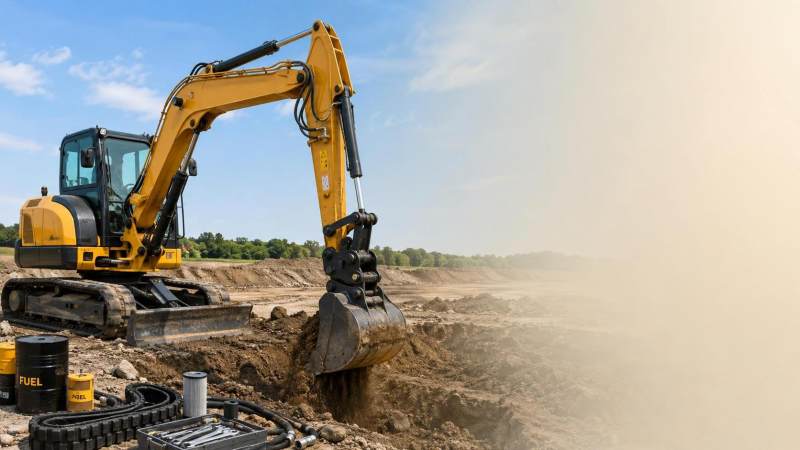
The Purchase Price Is a Starting Point, Not the Decision
An excavation equipment price can look straightforward on a quotation: machine model, standard boom and arm, bucket, delivery charge, and perhaps a warranty extension. For a procurement team, that figure matters, but it rarely explains which machine will cost less over the period it is expected to work.
A lower acquisition price can be the better deal when utilization is limited, jobs are predictable, and local service support is strong. It can also become expensive very quickly if the machine is undersized, consumes excessive fuel under load, spends too long waiting for parts, or has weak resale demand when the project ends. Conversely, a higher-priced excavator may justify its premium when it improves production consistency, avoids downtime on a critical schedule, or serves several job types without requiring separate equipment.
The useful question is therefore not, “Which excavator is cheapest?” It is, “Which machine delivers the required output and availability at the lowest controllable lifetime cost?” Answering that question requires separating the visible equipment price from the operating conditions behind it.
Machine Class Sets the Cost Structure
Size is the most obvious driver of price, but buyers should look beyond operating weight. A compact excavator, a mid-size crawler excavator, and a large mining-class machine are built around very different productivity assumptions. Their purchase prices, transport requirements, fuel demand, attachment capacity, undercarriage wear, and maintenance infrastructure all follow from that basic design point.
Buying more machine than the job needs is a common source of unnecessary ownership cost. An oversized machine may have a high hourly ownership charge, require special transport permits or heavier trailers, and struggle to operate efficiently in constrained urban, utility, or residential sites. Its additional digging force is of limited value when trucks, crews, site access, or permit restrictions are the real production constraint.
Undersizing is equally costly, although the loss is often less visible on the initial budget. A machine working continuously near its capacity can burn more fuel per completed unit of work, place greater stress on hydraulic and structural components, and create delays when tougher ground conditions appear. If a larger bucket, breaker, shear, or tiltrotator is required, hydraulic flow, auxiliary circuits, lift capacity, and stability margins need to be assessed as a package. An attachment that physically fits may still turn the base machine into an inefficient or unsafe combination.
Procurement specifications should begin with the work cycle rather than a preferred model. The important inputs include material type, required digging depth and reach, loading height, bucket fill factor, swing distance, truck matching, attachment usage, ground bearing conditions, shift pattern, and expected annual operating hours. These factors determine whether the quoted excavator has enough productive capacity without carrying excess capital cost.
Capacity Is More Than Bucket Volume
Bucket capacity is often used as a quick comparison point, but it can mislead. Dense rock, wet clay, loose overburden, demolition debris, and screened aggregate behave differently in a bucket. A larger bucket may improve output in light material while reducing cycle speed or fill quality in dense material. It may also push the machine closer to lifting and hydraulic limits.
For production work, buyers should request the operating assumptions used to estimate output. A supplier estimate based on ideal bucket fill, short swing angles, uninterrupted truck availability, and favorable soil will not represent a congested site or variable geology. Comparing equipment on expected completed volume per shift, with conservative assumptions, is more useful than comparing nominal bucket size.
Powertrain and Hydraulic Specification Change the Long-Term Equation
Engine power is another headline specification that deserves context. More horsepower does not automatically produce lower cost per cubic meter. The relationship depends on how effectively the hydraulic system converts engine output into breakout force, lifting performance, travel speed, and combined movements. Machines intended for repetitive loading, heavy trenching, demolition, or quarry work may justify a more capable hydraulic package because the work cycle makes use of it.
Fuel consumption should be evaluated at the duty cycle likely to occur on site, not as an isolated brochure figure. Idle time, operator behavior, attachment use, travel distance, ambient temperature, and material resistance can change consumption materially. Features such as selectable work modes, automatic idle reduction, telematics, and operator guidance can support fuel control, but only when the organization has a process for reviewing and acting on the information they produce.
Electric and hybrid equipment can change the cost model further. Their higher initial price may be offset in locations where emissions restrictions, noise limits, indoor work, energy pricing, or operating-hour profiles favor them. However, a buyer should first confirm charging access, electrical capacity, charging time, equipment utilization, and site logistics. A machine that cannot be charged without disrupting production may introduce a cost that is not visible in the purchase proposal.
For conventional diesel equipment, emissions configuration also belongs in the specification review. The issue is not simply regulatory compliance. Aftertreatment systems have maintenance needs and operating sensitivities, particularly where machines experience extended idling, low-load work, contaminated fuel, or inconsistent maintenance practices. Procurement should verify that the selected configuration is suitable for the intended operating environment and that technicians and parts support are available locally.
Attachments Can Distort a “Base Machine” Comparison
Two quotations for the same excavator model may appear comparable while covering very different working packages. One may include a basic digging bucket; another may include quick couplers, multiple buckets, hydraulic lines, guarding, work lights, a grade-control interface, and attachment-ready plumbing. The lower base price can therefore conceal the larger final capital requirement.
Attachments should be evaluated as productivity tools, not accessories. A quick coupler can reduce changeover time and make a machine useful across more tasks, but it introduces inspection, compatibility, and operator-control requirements. A hydraulic breaker requires the correct flow and pressure settings, plus a maintenance plan for hoses, tool wear, and vibration exposure. Tiltrotators and grade-control systems can improve precision in suitable work, while adding purchase cost, training needs, and additional service points.
- List every attachment expected during the ownership period, including occasional tools that may be hired or shared across sites.
- Confirm hydraulic requirements, machine stability, coupler compatibility, transport weight, and any necessary guarding for each attachment.
- Separate the price of the base machine from the installed price of the working configuration.
- Check whether warranty coverage changes when third-party attachments or couplers are used.
- Assess whether operators, workshop staff, and site supervisors can use the added technology effectively.
This is especially important for fleets that rotate equipment among earthmoving, utilities, demolition, landscaping, and material-handling work. A versatile configuration can create value, but only if it is standardized enough to be maintained and operated consistently.
Downtime Often Costs More Than a Modest Price Difference
For equipment assigned to a schedule-critical excavation, the cost of downtime can exceed the apparent savings from buying a less expensive unit. The direct expense is only the beginning: operators and support crews may be waiting, hauling equipment may be underutilized, subcontractor sequencing can be interrupted, and a delayed excavation can hold up concrete, utilities, or structural work.
That does not mean procurement should automatically choose the highest-priced brand or the most extensive service contract. It means the service proposition needs to be tested against the project’s actual exposure. A machine working intermittently on low-risk site preparation has a different support requirement from one loading production trucks across long shifts in a quarry or open-pit operation.
Useful questions for a supplier discussion include the location and capability of authorized service technicians, normal access to common wear parts, diagnostic support arrangements, field response terms, planned maintenance intervals, and the boundary between standard warranty and chargeable repairs. A broad dealer network has limited value if the relevant branch cannot support the specific model, attachment package, or electronic system in the buyer’s territory.
Parts availability deserves particular attention for undercarriage components, hydraulic hoses, filters, seals, bucket teeth, pins, bushings, and attachment consumables. These items may not be dramatic, but they affect whether planned maintenance can happen on time and whether routine wear becomes a prolonged outage. For remote projects, it may be sensible to include a defined opening stock of critical consumables and confirm lead times before placing the order.
Build Total Ownership Cost Around the Actual Ownership Period
Total cost of ownership is most useful when it is calculated for the period the company expects to retain the machine. A contractor planning to trade equipment after several years should not use the same model as an owner intending to run it through a long operating life. Depreciation, residual value, warranty coverage, overhaul exposure, and financing costs all change with that decision.
A practical ownership-cost model should include the following categories:
- Capital cost: purchase price, freight, taxes and duties where applicable, commissioning, attachments, and site-specific modifications.
- Financing cost: interest, lease charges, deposits, payment timing, and any costs tied to early termination or refinancing.
- Operating cost: fuel or electricity, operator labor where relevant to the comparison, ground-engaging tools, lubricants, and consumables.
- Maintenance and repair: scheduled service, wear components, labor, diagnostic work, hydraulic repairs, and contingency for out-of-warranty failures.
- Downtime exposure: replacement equipment, lost production, crew waiting time, and schedule consequences where these can reasonably be estimated.
- Residual value: expected resale proceeds after accounting for machine condition, hours, specification, service records, and local demand.
The output should not be a single total alone. Buyers need cost per operating hour and, where production assumptions are reliable, cost per unit of material moved or placed. A machine with a higher hourly ownership cost can still have a lower cost per cubic meter if it completes the work faster with fewer interruptions. On the other hand, an expensive high-capacity model may look efficient per hour while producing poor economic results because it spends too much time idle.
Scenario analysis is more honest than presenting one forecast as certain. Run a base case, a lower-utilization case, and a high-repair or high-fuel case. For a fleet purchase, also test the impact of an extension in project duration or a decline in resale value. This approach reveals which assumptions have the greatest influence on the investment decision and where commercial protections may be needed.
Residual Value Depends on Specification Discipline
Resale value is often treated as an optimistic offset in a business case. It should instead be treated as a result of decisions made at purchase and throughout ownership. Machines with well-documented maintenance, common configurations, reputable component histories, manageable operating hours, and strong cosmetic condition are generally easier to remarket than heavily customized units with incomplete records.
Options that support the first project may narrow the resale market later. Specialized booms, unusual track configurations, extreme guarding packages, or narrowly matched attachments can be justified, but their exit value should be considered before purchase. In some cases, the better decision is to buy a standard machine and rent or subcontract the specialized capability for a limited phase of work.
Telematics and maintenance records can also support disposal planning. They help establish operating hours, service compliance, fault history, and utilization patterns. That information has value only if records are complete and ownership of the data is clear when the machine is sold, transferred, or returned at the end of a lease.
How to Compare Quotes Without Reducing the Decision to Price
A disciplined comparison starts by normalizing each quote. Put every supplier on the same basis: identical expected work scope, attachment package, delivery terms, warranty period, maintenance inclusions, training, telematics access, commissioning requirements, and payment schedule. Any item that cannot be normalized should be shown separately rather than buried in a headline price.
Then link the commercial comparison to the project plan. If the equipment is needed for one defined contract, the relevant question may be whether a purchase, rental, lease, or used-machine option creates the least risk over that contract duration. If it will enter a broader fleet, interoperability, dealer support, attachment commonality, and redeployment potential can be as important as the initial price.
The most defensible equipment decision is usually the one that makes its assumptions visible. A procurement team should be able to explain why the selected machine fits the material, duty cycle, site constraints, support model, and planned holding period. Once those conditions are clear, the excavation equipment price becomes easier to interpret: it is one line in the investment case, not the conclusion of it.
Related News
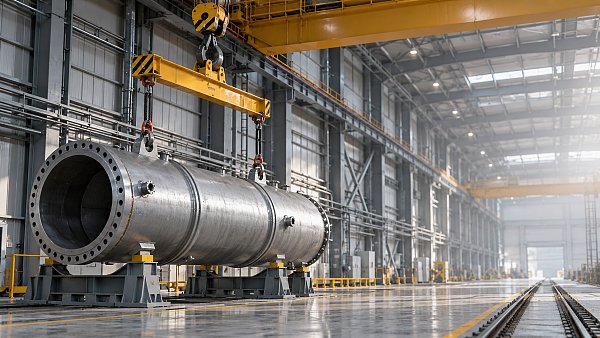
 Oct 23, 2026Selecting Lifting Equipment for Nuclear Component Transport: Key Safety CriteriaSelecting lifting machinery for nuclear component transport? Discover essential safety criteria, load control checks, and supplier requirements to guide confident procurement.
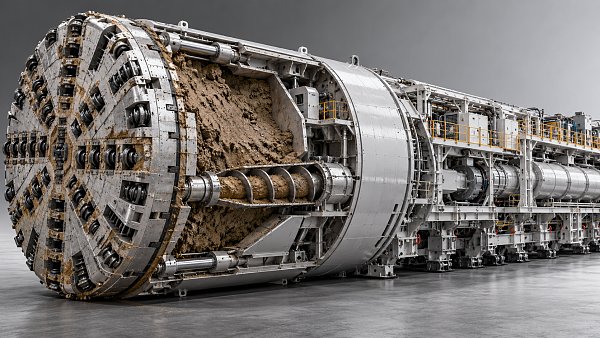
 Oct 22, 2026Tunnel Boring Machines in Southeast Asia: EPB vs. Slurry for Soft GroundCompare tunnel boring machines Southeast Asia projects rely on: EPB vs. slurry for soft ground. Discover how groundwater, settlement risks, and spoil handling shape the right choice.
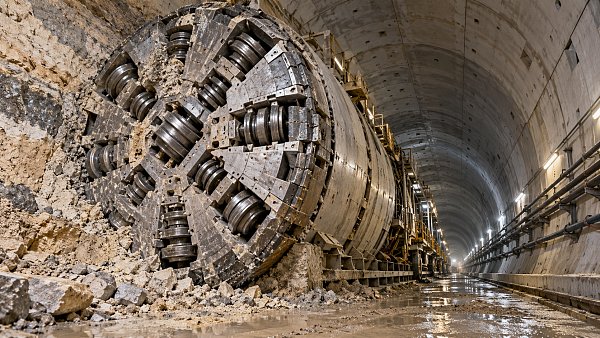
 Oct 21, 2026Choosing Tunneling Equipment for the Middle East: Rock, Soil, and GroundwaterCompare underground tunneling equipment Middle East projects need. Explore rock, soil, groundwater, and TBM options to reduce risk and make confident procurement decisions.
 Oct 20, 2026Which Heavy Machinery Maintenance Standards Apply to Your Construction Fleet?Discover which heavy machinery maintenance standards apply to your fleet. Clarify legal duties, OEM requirements, and inspection rules to reduce risk and keep equipment ready for work.
Related News

Ms. Elena Rodriguez
Weekly Insights
Stay ahead with our curated technology reports delivered every Monday.