
How to Evaluate a Paving Equipment Manufacturer for Highway Projects
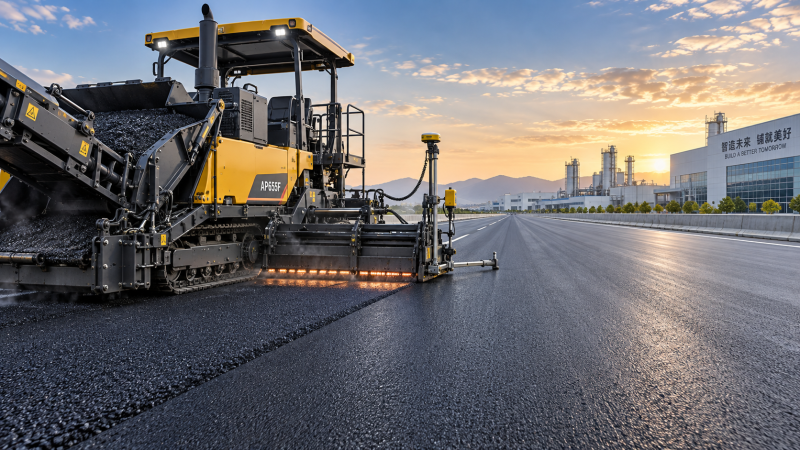
How to Evaluate a Paving Equipment Manufacturer for Highway Projects
Introduction: Selecting the right paving equipment manufacturer is a high-stakes procurement decision for highway projects, where productivity, surface quality, uptime, and lifecycle cost directly affect delivery outcomes.
This guide helps procurement professionals assess manufacturing capability, machine reliability, technical support, compliance standards, and total cost of ownership when comparing paving equipment suppliers for demanding road construction programs.
Start With the Project Requirements, Not the Manufacturer Brochure
The core purchasing question is not which paving equipment manufacturer has the largest product catalog. It is whether its machines can consistently meet your project’s specific production, quality, and operating conditions.
Highway paving equipment must perform across long work windows, variable material temperatures, tight specifications, and changing site logistics. A machine that works well on municipal roads may underperform on major corridors.
Procurement teams should translate project requirements into measurable equipment criteria before engaging suppliers. This prevents brand reputation, sales presentations, or low initial prices from dominating the evaluation process.
Begin with pavement width, required layer thickness, annual tonnage, expected daily output, material mix design, climate conditions, and available site support infrastructure. These factors determine the appropriate equipment configuration.
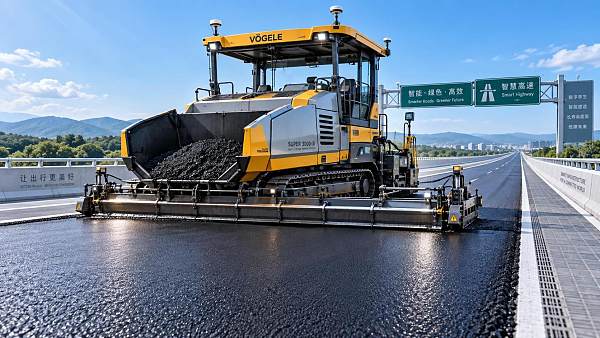
For example, a highway project involving wide asphalt lanes and continuous paving needs a paver with stable screed performance, sufficient hopper capacity, reliable conveyors, and effective material flow management.
Projects involving cement-treated base, roller-compacted concrete, or highly modified asphalt mixtures may require different feeding, compaction, heating, and control capabilities. A qualified manufacturer should discuss these details precisely.
Ask suppliers to demonstrate how their recommended model matches your production targets. Generic claims about “high efficiency” are insufficient without documented operating ranges, output assumptions, and jobsite references.
Specify whether the equipment must operate in extreme heat, cold regions, high altitude, dusty environments, or remote areas. These conditions affect engine calibration, cooling systems, hydraulic reliability, and maintenance planning.
A manufacturer that understands highway construction will ask detailed questions about material delivery cycles, paving sequence, roadway geometry, compaction plans, and quality-control requirements before proposing equipment.
Assess Manufacturing Capability and Product Engineering Depth
Manufacturing capability indicates whether a supplier can produce consistent machines at scale, control critical components, and support future parts availability throughout the expected service life of the equipment.
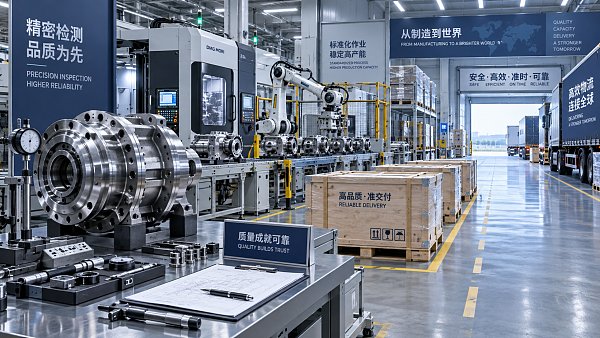
Evaluate the manufacturer’s production facilities, quality-management systems, supplier network, testing procedures, and engineering resources. The objective is to understand how the machine is built, verified, and improved.
Ask whether the company manufactures key structures, screeds, conveyors, hydraulic assemblies, electronic control systems, and undercarriages internally or relies heavily on external suppliers for critical subsystems.
Vertical integration is not automatically superior, but it can improve quality control and spare-parts continuity. Outsourced components require strong supplier management, traceability, and established replacement availability.
A credible paving equipment manufacturer should provide information about factory inspections, welding standards, machining capability, paint processes, assembly controls, and end-of-line functional testing for major road machinery.
For highway projects, structural durability matters because pavers experience vibration, thermal cycling, heavy loads, and continuous operation. Inspect frame design, screed rigidity, tow-point construction, and material-handling components.
Engineering depth also appears in the supplier’s ability to explain machine limitations. Reliable manufacturers provide realistic operating parameters instead of promising output levels that depend on ideal jobsite conditions.
Review the manufacturer’s product-development history. Frequent model updates can indicate innovation, but buyers should confirm that new systems have sufficient field validation and are not dependent on unproven software.
Request evidence of endurance testing, field trials, component life testing, and corrective-action procedures. These documents reveal whether quality issues are systematically managed or simply addressed after customer complaints.
Verify Paving Quality, Automation, and Operational Stability
For highway contractors and owners, paving quality is often more important than nominal machine power. Poor surface regularity or inconsistent mat density can create costly rework and long-term pavement performance issues.
Assess screed technology first. The screed must maintain stable grade, slope, crown, temperature, and compaction across changing paving widths, varying material supply, and different layer thickness requirements.
Ask how the paver controls screed heating and whether heating zones are independently managed. Uneven temperature distribution can affect asphalt workability, finish quality, and operational responsiveness during long shifts.
Automatic grade and slope systems should be evaluated as integrated operational tools, not optional accessories. Confirm compatibility with stringline, sonic sensors, laser systems, total stations, and digital paving workflows.
Modern highway projects increasingly require data visibility. Determine whether the equipment records production rates, material consumption, machine position, fuel use, temperature data, fault codes, and maintenance intervals.
Data capability is valuable only when it is usable. Procurement teams should ask whether reports can be exported, connected to fleet systems, or accessed by site managers without specialized manufacturer software.
Material-flow design deserves equal attention. Evaluate hopper geometry, conveyor capacity, auger performance, anti-segregation features, and the ability to maintain an even head of material ahead of the screed.
Ask for documented results from comparable projects, including achieved paving widths, average output, surface tolerance results, and operator feedback. Demonstrations should use realistic material rather than simplified conditions.
Where possible, arrange a site visit to an operating customer. Observing startup, truck exchanges, paving transitions, cleaning routines, and operator adjustments provides more useful evidence than a showroom inspection.
Examine Reliability Through Evidence, Not Warranty Language
Equipment downtime can disrupt asphalt supply, labor schedules, traffic-control plans, and downstream compaction activities. Therefore, reliability should be evaluated using operating evidence rather than broad warranty statements.
Ask each paving equipment manufacturer for maintenance schedules, recommended service intervals, major component replacement intervals, and common wear parts. Compare these requirements against your projected annual operating hours.
Request historical failure information where available, especially for hydraulic pumps, electrical modules, conveyors, augers, screed heaters, track systems, and engine cooling components. Specificity is a positive sign.
Warranty coverage should be reviewed carefully. Confirm duration, operating-hour limits, exclusions, labor reimbursement rules, transportation responsibilities, and whether electronic systems and wear components receive different protection levels.
A long warranty is less valuable if the supplier lacks field technicians or local inventory. The real measure is how quickly the manufacturer can diagnose, authorize, and repair a machine during production.
Evaluate diagnostic tools and remote-support capability. Modern systems can reduce downtime when technicians access fault codes, software parameters, and machine operating data before traveling to the jobsite.
Ask whether software updates can be performed locally, remotely, or only by authorized personnel. Delayed access to calibration changes or control-system updates can create unnecessary operational dependence on the supplier.
Reference checks should include current users with similar utilization levels. Ask about unplanned downtime, parts delivery speed, technician competence, recurring faults, and the manufacturer’s response during urgent situations.
Evaluate After-Sales Support as a Contractual Capability
After-sales support is often the deciding factor between two technically similar machines. Highway projects need equipment support that matches their schedule, geography, and consequences of delayed production.
Map the supplier’s support network against planned project locations. Identify dealer branches, service technicians, mobile workshops, parts warehouses, and escalation contacts available for each construction region.
Do not accept statements such as “nationwide service coverage” without detail. Request the nearest support location, typical response time, technician staffing level, and stock status for critical components.
Spare-parts availability should be assessed by category. Critical downtime parts include sensors, pumps, hoses, electrical controllers, bearings, conveyor chains, auger components, screed parts, and heating elements.
Ask for fill-rate data, emergency-delivery procedures, and recommended commissioning stock. For remote or high-output projects, maintaining selected consumables and critical spares onsite may be financially justified.
Operator and maintenance training should be part of the supplier evaluation. Better-trained crews can improve paving consistency, reduce preventable failures, and detect early signs of wear before breakdowns occur.
Clarify whether training includes machine setup, screed adjustment, daily inspections, troubleshooting, grade-control operation, cleaning, preventive maintenance, and safe shutdown procedures for the specific supplied configuration.
Service-level commitments should appear in the contract, not only in sales proposals. Define response times, escalation paths, parts lead times, technical-report requirements, and remedies for unresolved equipment defects.
Compare Total Cost of Ownership Instead of Purchase Price
The lowest purchase price rarely represents the lowest highway project cost. Procurement teams should compare total cost of ownership across the expected operating period, including productivity and risk exposure.
Total cost of ownership includes acquisition cost, financing, fuel consumption, labor efficiency, wear parts, scheduled maintenance, unplanned repairs, operator training, resale value, and downtime-related project losses.
Create a common cost model for every bidder. Use consistent assumptions for annual operating hours, material volume, labor rates, fuel prices, maintenance intervals, and expected project duration.
Productivity must be normalized carefully. A paver with higher theoretical output may not deliver better economic value if it requires more frequent adjustments, consumes more fuel, or creates inconsistent pavement quality.
Estimate cost per tonne paved and cost per lane-kilometer completed. These measures make it easier to compare equipment with different purchase prices, widths, power ratings, and automation packages.
Include the cost of operational interruptions. Even a short equipment failure can waste asphalt loads, idle crews, disrupt traffic closures, and force work outside favorable temperature conditions.
Residual value should also be considered. Established manufacturers with strong parts support and broad market acceptance may retain more value, reducing effective ownership cost when equipment is redeployed or sold.
Where equipment will be used intermittently, compare purchase against rental, leasing, or contractor-managed service arrangements. The best commercial model depends on utilization certainty and strategic fleet requirements.
Confirm Compliance, Safety, and Environmental Readiness
Highway projects often involve public funding, strict owner requirements, and formal site audits. Equipment compliance should be verified early to avoid procurement delays or costly post-award modifications.
Confirm engine-emission compliance for the country and project location. Verify the exact engine model, emissions tier, certification documents, fuel requirements, and any limitations related to regional regulations.
Safety evaluation should cover operator visibility, emergency stops, guarding, access steps, handrails, warning systems, lighting, backup alarms, fire prevention, and lockout procedures for maintenance activities.
Review ergonomics as a productivity and safety issue. Operators need clear visibility of material flow, screed operation, truck movements, and surrounding workers during extended shifts and night paving.
Ask whether the machine supports telematics, geofencing, remote monitoring, and maintenance alerts. These functions can improve fleet oversight, although data ownership and cybersecurity responsibilities should be defined.
Environmental considerations increasingly affect equipment selection. Compare fuel efficiency, idle-management functions, noise levels, fluid-containment design, recyclable materials, and available low-emission or electrically assisted solutions.
Documentation matters during audits. A qualified supplier should provide operating manuals, maintenance manuals, parts books, safety certifications, conformity declarations, and training records in the required language.
Use a Structured Supplier Evaluation and Factory Acceptance Process
A structured evaluation process reduces subjective decision-making and makes supplier selection easier to defend internally. Build a weighted scorecard that reflects project priorities rather than generic procurement templates.
Typical evaluation categories include technical fit, paving quality, reliability, factory capability, service coverage, parts support, compliance, commercial terms, training, and total cost of ownership.
Assign higher weighting to factors that directly affect project delivery. For a major highway contract, uptime, screed quality, support response, and production stability usually deserve more weight than cosmetic features.
Require suppliers to submit comparable technical schedules. Standardized responses prevent vendors from emphasizing favorable specifications while omitting limitations, optional equipment requirements, or site-dependent performance assumptions.
Before final award, conduct a technical clarification meeting involving procurement, project management, paving supervisors, maintenance personnel, quality teams, and commercial stakeholders. Each group identifies different operational risks.
For major purchases, include factory acceptance testing or pre-delivery inspection. Verify the agreed configuration, serial numbers, control systems, safety features, documentation, tools, spare kits, and calibration status.
Commissioning should include performance verification on site. Record initial machine settings, operator training completion, test-strip results, hydraulic checks, sensor calibration, and any defects requiring corrective action.
Maintain a supplier performance record after delivery. Tracking downtime, service response, part consumption, quality performance, and operating cost improves future negotiations and strengthens long-term fleet decisions.
Questions Procurement Teams Should Ask Every Manufacturer
Ask which highway projects with similar paving width, materials, climate, and production volume have used the proposed machine. Request named references and measurable project performance data.
Ask which components most commonly require replacement during the first three years of service. A transparent answer helps estimate inventory needs, maintenance costs, and potential downtime exposure.
Ask how quickly a qualified technician can reach your planned jobsite, including weekends and night shifts. Highway paving schedules often make standard business-hour support inadequate.
Ask what parts are stocked locally, which are held centrally, and which require factory supply. Require lead-time commitments for failure-critical components and commonly consumed wear items.
Ask how the supplier supports digital grade control, production reporting, remote diagnostics, and software upgrades. Confirm whether licenses, subscriptions, or third-party hardware create additional costs.
Ask what machine performance the manufacturer guarantees and under what site conditions. Separate guaranteed capability from theoretical capacity, especially where material supply or operator skill affects results.
Ask whether the contract includes commissioning, operator training, maintenance training, preventive service visits, and technical reports. These services should have clear scope, timing, and accountability.
Conclusion: Select a Long-Term Delivery Partner, Not Just a Machine Supplier
Choosing a paving equipment manufacturer for highway projects requires more than comparing specifications and quotations. The decision should connect machine capability, field reliability, support strength, and lifecycle economics.
The strongest supplier is usually the one that can prove fit for your paving conditions, explain performance limits honestly, maintain equipment quickly, and support measurable quality outcomes.
For procurement professionals, a disciplined evaluation process reduces technical uncertainty and commercial risk. It also creates a defensible basis for selecting equipment that protects productivity, pavement quality, and project profitability.
When comparing manufacturers, prioritize evidence from comparable projects, contractual service commitments, verified total cost of ownership, and practical field support. These factors determine performance long after delivery day.
Related News
 Sep 23, 2026How to Evaluate a Paving Equipment Manufacturer for Highway ProjectsPaving equipment manufacturer evaluation guide for highway projects: compare reliability, paving quality, service support, compliance, and total cost of ownership.
 Sep 22, 2026How to Evaluate a High-Altitude Mining Solutions Manufacturer for Remote ProjectsEvaluate a high-altitude mining solutions manufacturer with proven derating, cooling, service logistics, and lifecycle-cost support for remote projects.
 Sep 21, 2026Industrial Supplier Evaluation: A Risk-Based Scorecard for Quality, Capacity, and DeliveryIndustrial supplier evaluation made practical: use a risk-based scorecard to assess quality, capacity, and delivery reliability, reduce project risk, and select suppliers with confidence.
 Sep 20, 2026Comparing Heavy Equipment Warranty Suppliers: Coverage, Claims, and Downtime RiskSupplier comparison for heavy equipment warranty: evaluate coverage, claims speed, service networks, and downtime risk to protect uptime and project costs.

Pavement Process Engineer
Weekly Insights
Stay ahead with our curated technology reports delivered every Monday.