
Lifting machinery selection mistakes that raise project risk
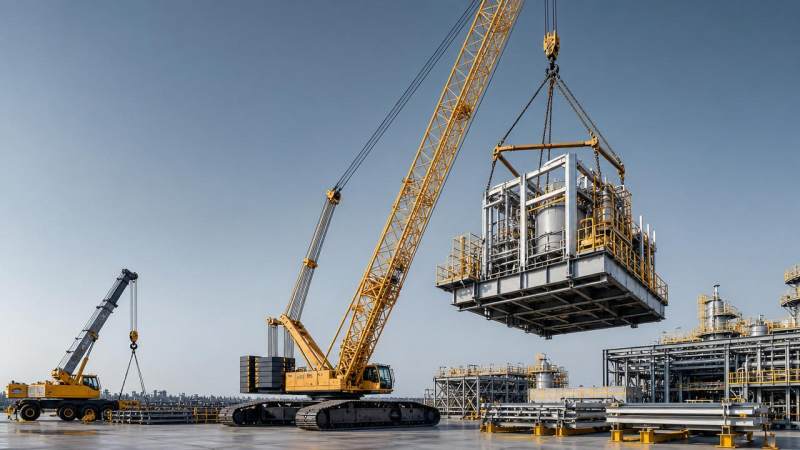
Choosing lifting machinery on price, habit, or headline capacity alone can quietly increase schedule delays, safety exposure, and lifecycle cost. For commercial evaluation teams, the real challenge is matching lifting machinery to load paths, site constraints, project complexity, and long-term asset performance. This article highlights the selection mistakes that raise project risk and shows how smarter equipment decisions support safer delivery and stronger commercial outcomes.
A checklist-based approach is essential because lifting machinery decisions rarely fail for one obvious reason. Risk usually comes from small mismatches: a crane that can lift the load but cannot work within the radius, a transport plan that ignores assembly space, a machine that meets the bid budget but creates hidden downtime, or a specification written around nominal capacity instead of real site conditions. For business evaluation professionals, structured review is the fastest way to compare options, challenge assumptions, and avoid expensive procurement errors.
Start here: the first questions to verify before comparing lifting machinery
Before reviewing brand, model, rental rate, or ownership cost, confirm the operational envelope of the project. Many selection mistakes happen because procurement teams compare lifting machinery offers too early, before the lifting task itself is fully defined. A commercial review should begin with the work package, not the equipment brochure.
- What is the maximum lifted weight including rigging, hooks, spreaders, and contingency?
- What is the required lifting radius at each critical lift stage, not only at the final position?
- What hook height, boom length, and working angle are required to clear structures or terrain?
- How many major lifts are repetitive, and how many are one-off heavy lifts?
- What are the access, assembly, dismantling, and transport constraints at the site?
- What are the geotechnical limits for ground bearing pressure and outrigger or track support?
- What wind, weather, altitude, or temperature conditions will affect performance?
If these questions are unresolved, any lifting machinery comparison is incomplete. In sectors such as wind power, petrochemical installation, mining infrastructure, tunneling support works, and modular construction, these variables can change machine suitability more than list price ever will.
The most common lifting machinery selection mistakes that raise project risk
1. Selecting by headline capacity instead of load chart reality
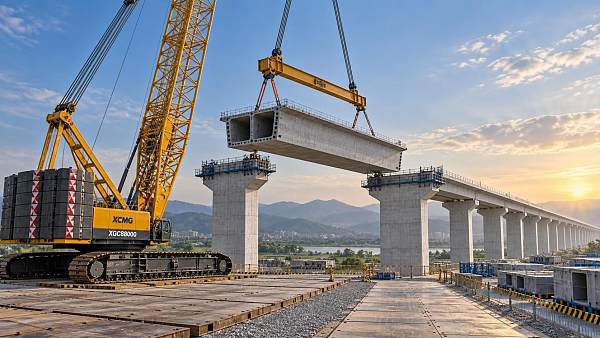
The most frequent commercial mistake is assuming a 600-ton or 1,200-ton machine is suitable because the project’s heaviest component appears to fall below that number. In practice, lifting machinery capacity depends on radius, boom configuration, counterweight, luffing arrangement, site elevation, and wind conditions. A machine with impressive nominal capacity may underperform in the exact configuration the project needs. Always review the load chart for the actual operating condition, not the marketing class of the machine.
2. Ignoring assembly and mobilization complexity
Large lifting machinery often creates risk before the first lift begins. Mobilization permits, escort requirements, assembly cranes, road restrictions, and laydown space can heavily affect schedule and cost. For remote mining, mountain transport corridors, or urban constrained sites, the chosen machine may be technically correct but commercially poor if it requires excessive support logistics.
3. Underestimating ground and site interface requirements
Ground condition is a hidden risk driver in lifting machinery selection. Crawler cranes, all-terrain cranes, and lattice boom systems impose different bearing pressures and movement requirements. If the selected equipment needs costly ground improvement, steel mats, or temporary works that were not included in the evaluation, the apparent low-cost choice can quickly become the highest-risk option.
4. Treating rental rate as total cost
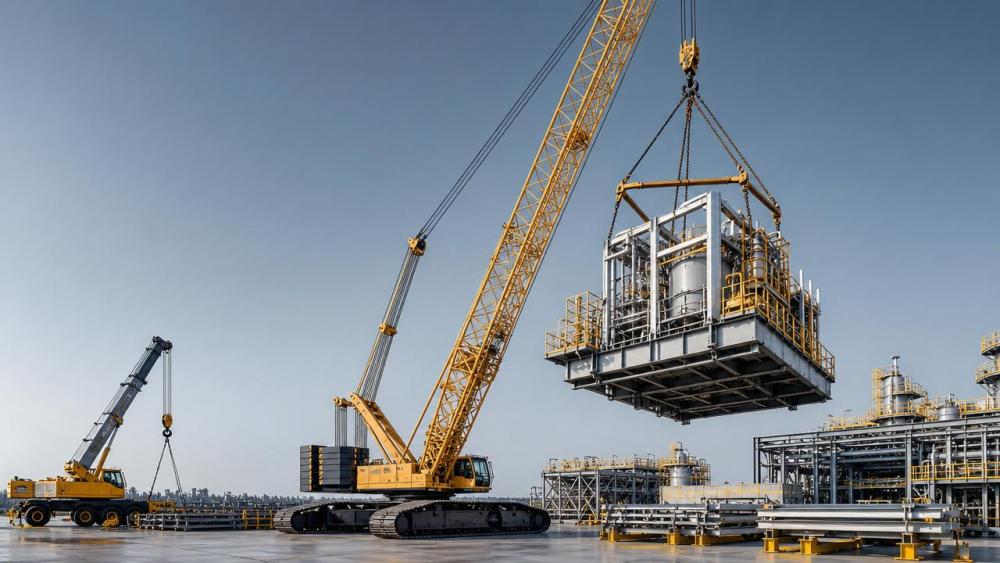
Commercial teams often compare daily or monthly rental rates without capturing total deployment cost. Lifting machinery economics should include transport, erection, dismantling, standby, operator availability, fuel or power consumption, spare parts, site preparation, weather delay sensitivity, and productivity. A higher-rate crane with faster setup and fewer support requirements can reduce total installed cost and lower schedule exposure.
5. Failing to match equipment to lift frequency and project duration
A machine suitable for one critical lift may be inefficient for a multi-month installation campaign. Conversely, a versatile fleet may look economical on paper but require too many changeovers for occasional ultra-heavy lifts. The right lifting machinery strategy depends on whether the project needs peak capacity, repeatability, multi-task flexibility, or fast relocation between lift points.
6. Overlooking operator capability and service support
The machine is only part of the risk profile. If operator competence, field service response, spare inventory, telematics support, and troubleshooting capacity are weak, project interruptions become more likely. For business evaluation teams, supplier support capability should be assessed as seriously as the equipment specification.
A practical checklist for evaluating lifting machinery options
Use the following checklist to compare lifting machinery proposals in a disciplined way. This is especially useful when reviewing multiple OEMs, rental suppliers, or mixed fleet strategies.
What changes by project type: key differences commercial teams should not miss
Not every lifting machinery decision should be scored the same way. Project context changes the weighting of each evaluation factor.
Wind and energy projects
Focus on hub height, blade handling, narrow weather windows, remote access roads, and repetitive heavy lifts. Here, lifting machinery uptime and configuration efficiency matter as much as pure capacity. Small delays can disrupt turbine installation sequences across an entire package.
Petrochemical and industrial modules
Prioritize congestion, tandem lift coordination, shutdown windows, and high consequences of delay. Lifting machinery that minimizes on-site assembly and improves positioning accuracy may justify higher direct cost because outage time is commercially critical.
Mining and heavy civil infrastructure
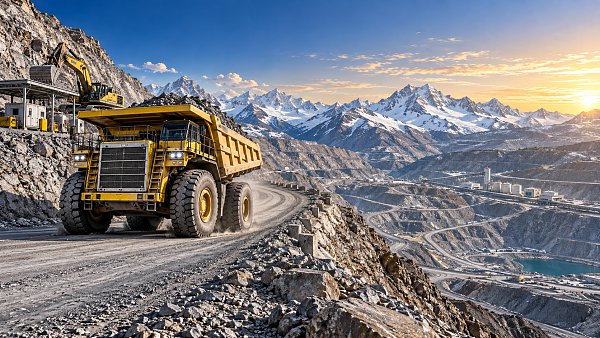
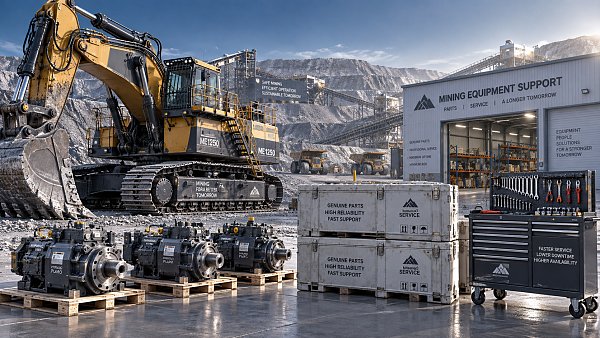
Check haul road quality, dust, slope, altitude, and long service distances. In these settings, lifting machinery selection should emphasize ruggedness, field maintainability, and local support depth. A machine with weak parts availability can jeopardize major shutdown maintenance or plant expansion works.
Urban or constrained sites
Noise limits, traffic permits, small laydown zones, and close-proximity structures become decisive. Compact lifting machinery with lower mobilization burden may outperform larger units even if the larger unit appears cheaper on a per-ton basis.
Frequently missed risk signals during lifting machinery evaluation
- The offered machine needs a secondary crane for assembly, but this support cost is not included.
- The lifting plan assumes ideal weather rather than realistic seasonal conditions.
- Ground improvement is treated as a civil issue, not an equipment selection cost driver.
- Spare parts lead time is longer than the project’s allowable downtime.
- The supplier’s nearest service base is too far for emergency response.
- The selected lifting machinery has limited local operator familiarity, increasing execution risk.
- Contract language does not clearly define standby, delay responsibility, or weather demobilization clauses.
Execution advice: how to improve lifting machinery decisions in practice
For stronger results, business evaluation teams should build a simple gate review before final approval. First, require a lift-specific parameter sheet covering load, radius, height, site restrictions, and operating environment. Second, request a total deployment cost summary rather than a rate sheet alone. Third, score each lifting machinery option across technical fit, schedule impact, commercial exposure, and supplier support. Fourth, test the preferred option against at least one off-design scenario such as wind delay, access restriction, or reduced assembly space.
It is also valuable to align equipment review with strategic intelligence sources. For example, when evaluating large crawler cranes or specialized heavy lifting systems, teams should monitor regional fleet availability, transport bottlenecks, steel and component supply pressure, and project pipeline competition. In global heavy industry, the best lifting machinery choice can change quickly when demand surges across wind, nuclear, or mining construction markets.
FAQ for commercial evaluation teams
Is bigger lifting machinery always safer?
No. Oversized equipment can increase mobilization cost, assembly complexity, ground loading, and idle time. Safety comes from fit-for-purpose selection, verified lift planning, and competent execution.
Should we rent or buy lifting machinery?
That depends on utilization, project pipeline, maintenance capability, financing cost, and fleet strategy. For many contractors, rental reduces balance sheet burden, but long-duration repetitive programs may support ownership if service and operator capability are mature.
What is the most important document to request?
Ask for a configuration-specific lifting plan with load chart references, transport and assembly assumptions, site interface requirements, and total commercial terms. This reveals whether the lifting machinery proposal is truly project-ready.
Final decision guide and next-step questions
Good lifting machinery selection is not just a procurement task; it is a risk control decision that shapes safety, schedule certainty, and asset efficiency. The strongest evaluations move beyond capacity labels and focus on real operating conditions, site interface, lifecycle cost, and supplier readiness. For commercial teams, the goal is simple: reduce assumptions before they become claims, downtime, or rework.
If you need to confirm lifting machinery suitability for an upcoming project, prioritize discussion around five points: exact lift parameters, site and ground constraints, mobilization and assembly plan, total cost structure, and local service capability. These questions create a better basis for comparing options and for deciding whether a proposed machine will protect delivery performance as well as budget.
Related News
 Sep 22, 2026How to Evaluate a High-Altitude Mining Solutions Manufacturer for Remote ProjectsEvaluate a high-altitude mining solutions manufacturer with proven derating, cooling, service logistics, and lifecycle-cost support for remote projects.
 Sep 21, 2026Industrial Supplier Evaluation: A Risk-Based Scorecard for Quality, Capacity, and DeliveryIndustrial supplier evaluation made practical: use a risk-based scorecard to assess quality, capacity, and delivery reliability, reduce project risk, and select suppliers with confidence.
 Sep 20, 2026Comparing Heavy Equipment Warranty Suppliers: Coverage, Claims, and Downtime RiskSupplier comparison for heavy equipment warranty: evaluate coverage, claims speed, service networks, and downtime risk to protect uptime and project costs.
 Sep 19, 2026Mining Truck Technology Trends: What Fleet Managers Should Prioritize for 2026Mining truck technology trends for 2026: prioritize electrification, autonomy, predictive maintenance, and road intelligence to improve fleet uptime, safety, and cost control.
Structural Load Expert
Weekly Insights
Stay ahead with our curated technology reports delivered every Monday.