
Heavy Lifting Equipment Supplier Checklist: Capacity, Compliance, Service, and Lead Time
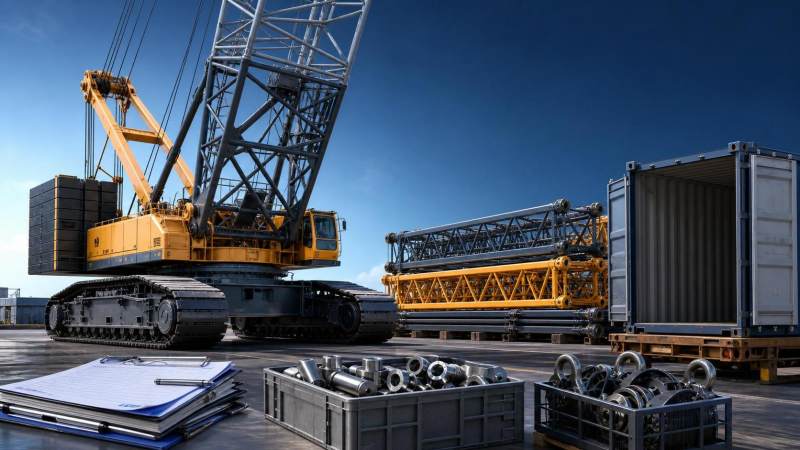
Heavy Lifting Equipment Supplier Checklist: Capacity, Compliance, Service, and Lead Time
Choosing the right heavy lifting equipment supplier is not only about price or machine size.
It affects lift safety, site productivity, project timing, and total operating cost.
In large infrastructure and industrial work, one weak supplier decision can delay an entire schedule.
That is why a practical supplier checklist matters.
A qualified heavy lifting equipment supplier should match lifting requirements, compliance expectations, service response, and delivery reality.
The goal is simple: reduce risk while protecting long-term project value.
Start With Actual Lifting Capacity, Not Catalog Headlines
The first screening point is capacity, but this is where many sourcing decisions go wrong.
A heavy lifting equipment supplier may promote maximum tonnage, yet field performance depends on conditions.
Lift radius, boom length, counterweight setup, ground bearing pressure, and wind limits all change the usable load.
In practical procurement, rated capacity alone tells only part of the story.
Before comparing offers, confirm these points:
- Maximum lifting capacity under the exact working radius
- Load chart availability for planned site conditions
- Main boom, jib, and luffing configuration options
- Transport dimensions and assembly requirements
- Ground pressure and support needs for the actual site
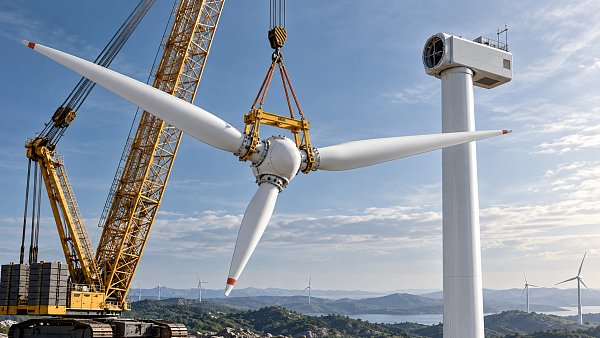
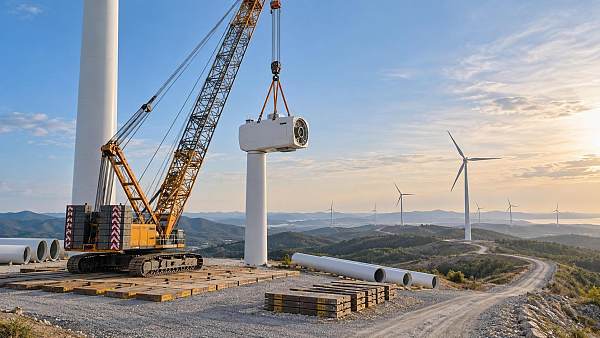
For example, a crawler crane chosen for wind component erection must be evaluated differently from one used in refinery maintenance.
A reliable heavy lifting equipment supplier will discuss real lift scenarios instead of pushing a generic machine class.
Check Engineering Fit for the Full Project Environment
Capacity is necessary, but engineering fit is what keeps a project moving.
This becomes more important on complex sites with slope limits, narrow access, altitude changes, or strict lifting windows.
A strong heavy lifting equipment supplier should ask for site drawings, load paths, and construction sequence details early.
Review the supplier against these engineering questions:
- Can the machine enter, assemble, and operate within site constraints?
- Does the supplier provide lift planning support or third-party coordination?
- Are there documented case references for similar applications?
- Can the equipment handle climate, terrain, and operating cycle demands?
This is often where low-price offers start to lose credibility.
If a heavy lifting equipment supplier cannot explain deployment details, hidden cost usually appears later through delays and rework.
Treat Compliance as a Commercial Filter, Not a Paper Exercise
Compliance is one of the clearest separators between a safe purchase and an expensive mistake.
A heavy lifting equipment supplier should be able to prove conformity, not merely claim it.
For international procurement, this may include CE, ISO systems, load testing records, welding documentation, and traceable inspection data.
Local regulations may also require operator training support, registration documents, or third-party certification.
Request evidence in these areas:
- Applicable product certifications and test reports
- Quality management records and factory audit results
- Safety device specifications and calibration records
- Material traceability for critical structural components
- Maintenance manuals and compliance documentation in English
In recent market shifts, buyers are paying closer attention to compliance because cross-border projects face tighter review processes.
A heavy lifting equipment supplier with strong documentation usually has stronger process discipline overall.
Look Beyond Warranty and Examine Real Service Strength
After-sales service has direct financial impact.
Downtime on a major lift project can cost far more than any discount won during negotiation.
That means service capacity should be weighted almost as heavily as equipment specification.
A dependable heavy lifting equipment supplier should show how it handles faults, parts demand, and field support under pressure.
Focus on operational service metrics:
- Regional spare parts availability
- Response time for emergency technical support
- Commissioning and on-site training capability
- Remote diagnostics and digital monitoring options
- Planned maintenance packages and cost transparency
Ask for service references from projects with similar utilization intensity.
A supplier may promise support, yet lack nearby technicians or stocked components.
The best heavy lifting equipment supplier treats uptime as a measurable contract issue, not a vague service promise.
Lead Time Should Include Manufacturing, Logistics, and Site Readiness
Lead time is often underestimated during procurement review.
Quoted delivery dates may cover factory release only, not transport, customs, assembly, testing, or operator preparation.
This is where a disciplined heavy lifting equipment supplier stands out.
It provides a realistic milestone schedule with visible dependencies.
Break lead time into these stages:
- Engineering confirmation and drawing approval
- Production slot and component sourcing
- Factory inspection and acceptance testing
- Inland transport, port handling, and customs clearance
- Site assembly, commissioning, and readiness sign-off
More buyers now ask suppliers to identify the critical path before contract award.
That is a useful discipline, especially for wind, petrochemical, mining, and transport projects.
A credible heavy lifting equipment supplier should also explain contingency plans for shipping or component disruption.
Compare Total Cost, Not Just Purchase Price
Procurement decisions based only on initial price usually miss the real cost structure.
For heavy lifting assets, total cost includes maintenance, parts, mobilization, fuel or power use, training, and downtime exposure.
A lower bid from one heavy lifting equipment supplier may become more expensive within the first operating year.
This total-cost view is increasingly important in capital-intensive sectors.
A mature heavy lifting equipment supplier should be willing to discuss lifecycle economics with real numbers.
Use a Simple Scoring Model Before Award
When several qualified offers remain, a weighted scorecard improves decision quality.
It also makes internal approval easier because tradeoffs become visible.
For a heavy lifting equipment supplier review, common scoring categories include:
- Technical fit: 30%
- Compliance and documentation: 20%
- Service capability: 20%
- Lead time reliability: 15%
- Total cost: 15%
The exact weights can change by project type.
For urgent shutdown work, service and lead time may deserve higher weighting.
For long-term fleet strategy, lifecycle cost and parts support may matter more.
Final Checklist for a Better Supplier Decision
A strong heavy lifting equipment supplier should do more than quote a machine.
It should help reduce technical uncertainty, commercial risk, and schedule pressure.
Before final award, confirm that the supplier can prove all of the following:
- The equipment meets the true lift profile, not just headline tonnage
- The solution fits site access, assembly, and operating conditions
- Compliance records are complete and verifiable
- Service response, parts supply, and training are contract-ready
- Lead time includes logistics and commissioning, not factory release alone
- Total cost has been evaluated across the equipment lifecycle
In today’s market, equipment sourcing is becoming more strategic and less transactional.
That shift is especially clear in high-value engineering, mining, transport, and energy projects.
The best heavy lifting equipment supplier is the one that protects execution, not simply the one with the lowest quote.
Using this checklist early can sharpen supplier comparison, strengthen negotiation, and support more reliable project outcomes.
Related News
 Oct 12, 2026How to Assess a High-Altitude Mining Equipment Manufacturer for Remote ProjectsHigh altitude mining manufacturer assessment guide: compare derating, cold-climate reliability, remote service, parts resilience, and lifecycle risk for smarter project decisions.
 Oct 11, 2026What Drives TBM Cutter Head Material Cost and Life-Cycle Value?Cutter head material cost explained: compare TBM alloys, wear protection, downtime risk, and life-cycle value to choose the most reliable, cost-effective solution.
 Oct 12, 2026How to Read Mining Equipment Performance Reviews Beyond Headline MetricsMining equipment performance reviews explained: learn to assess productivity, availability, maintenance risk, site conditions, and total ownership cost for smarter fleet decisions.
 Oct 11, 2026Payload Management Systems: Preventing Overloads Without Slowing ProductionPayload management helps prevent overloads, protect equipment, and keep production moving. Learn how accurate targets, pass planning, alerts, and calibration improve every load.

Structural Load Expert
Weekly Insights
Stay ahead with our curated technology reports delivered every Monday.