
Heavy Lifting Solutions Cranes: What Capacity, Boom Type, and Site Limits Matter Most?
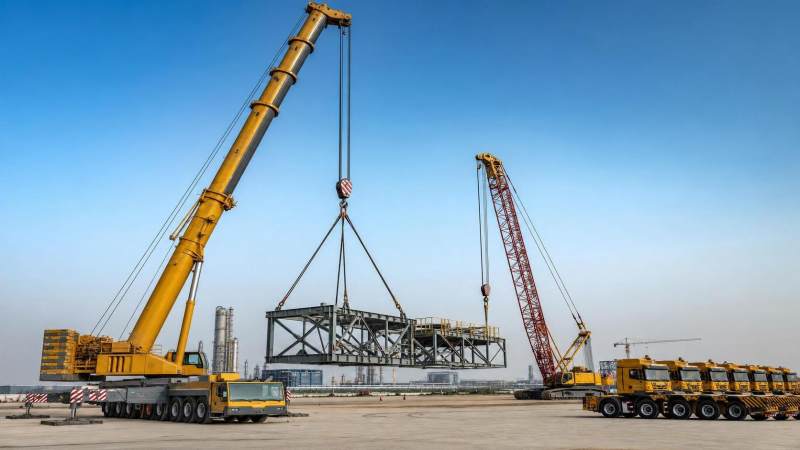
Heavy Lifting Solutions Cranes: What Capacity, Boom Type, and Site Limits Matter Most?
Choosing the right heavy lifting solutions cranes is not just about maximum tonnage.
The better decision starts with the real lift, the real site, and the real cost profile.
In practice, many crane selections fail for simple reasons.
The load chart looked fine, but transport access was too narrow.
Or the boom choice worked on paper, yet ground bearing pressure killed the plan.
That is why heavy lifting solutions cranes must be evaluated as a full operating system, not a single machine.
For infrastructure, energy, mining, and industrial projects, the buying decision usually comes down to three filters.
Can the crane lift safely within the required radius?
Can it work efficiently within site limits?
And can it do both without inflating total ownership or rental cost?
Start With True Lift Capacity, Not Rated Capacity
The first mistake in buying heavy lifting solutions cranes is using headline capacity as the main benchmark.
A 600-ton crane is not delivering 600 tons in most working conditions.
Real lifting performance depends on radius, boom length, counterweight, wind conditions, and rigging setup.
This also means the procurement review should begin with the load case matrix.
That matrix should include load weight, pick point, set point, height, operating radius, and lift frequency.
Then compare those conditions against actual crane load charts, not brochure summaries.
The most useful questions are simple:
- What is the heaviest lift at the longest radius?
- How much rigging weight must be added?
- What derating applies for wind or dynamic factors?
- Will the crane be working near chart limits repeatedly?
When heavy lifting solutions cranes operate close to their limit every day, productivity usually drops.
Cycle times slow, setup becomes stricter, and weather windows become more critical.
Boom Type Changes More Than Reach
Boom selection is often where cost and capability diverge.
For heavy lifting solutions cranes, the boom type affects lift capacity, assembly time, transport burden, and maneuverability.
Telescopic booms are faster to mobilize and easier for shorter, variable lifts.
Lattice booms usually deliver stronger performance for very heavy loads and longer radii.
Yet lattice boom cranes also bring more transport pieces, more assembly work, and more site preparation.
A practical comparison looks like this:
From a purchasing perspective, boom type should match the lift profile, not just engineering preference.
If the project includes many medium lifts across different zones, flexible heavy lifting solutions cranes may create lower total cost than larger fixed-purpose units.
Site Limits Usually Decide the Winning Crane
Many buyers compare cranes first and sites second.
On complex projects, that order should be reversed.
Heavy lifting solutions cranes can look ideal until local constraints erase the advantage.
Ground bearing pressure is one of the first checks.
A crane with excellent chart performance may require mats, soil improvement, or civil reinforcement.
That adds time, trucking, engineering review, and sometimes permit delays.
Other common site limits include:
- Road width and turning radius for delivery trailers
- Bridge load restrictions during mobilization
- Overhead lines or adjacent structures
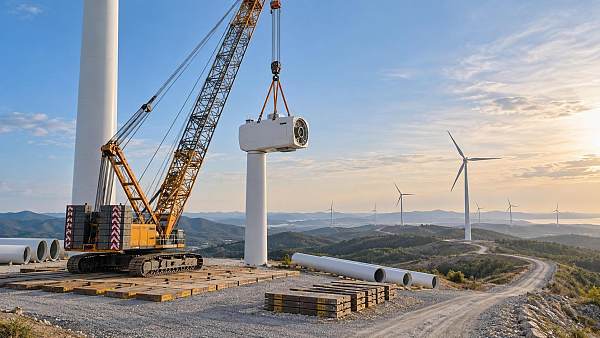
- Assembly area for boom and counterweight installation
- Weather exposure, especially wind-sensitive zones
This is where heavy lifting solutions cranes should be reviewed with logistics, site engineering, and HSE at the same table.
A technically stronger crane is not the better option when site restrictions force expensive workarounds.
Transport, Assembly, and Downtime Drive Total Cost
Procurement decisions often focus on rental rate or purchase price first.
That is understandable, but incomplete.
For heavy lifting solutions cranes, real cost sits across mobilization, assembly, support equipment, operators, maintenance, and standby exposure.
A lower daily rate can hide a much higher installed cost.
A cost review should include at least these items:
- Number of transport loads and special permits
- Time and labor for assembly and dismantling
- Need for assist cranes during setup
- Ground preparation and crane mat cost
- Weather downtime risk by crane configuration
- Availability of spare parts and service support
This is especially relevant for remote mines, wind farms, and large process plants.
In these environments, every extra truck, permit, or lost shift changes the economics.
The best heavy lifting solutions cranes are often the units that shorten the full lift campaign, not just the actual pick.
Application Fit Matters More Than Brand Familiarity
Brand confidence matters, but it should not replace application fit.
Different sectors ask very different things from heavy lifting solutions cranes.
For example:
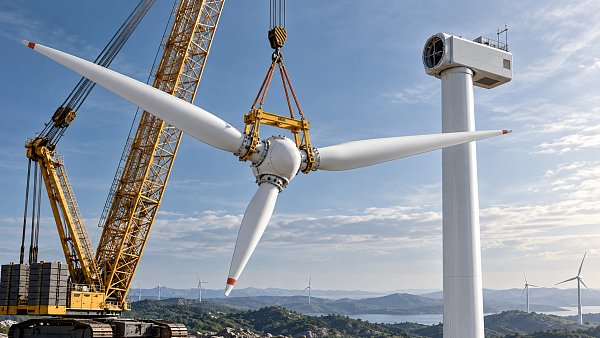
- Wind projects prioritize high hook height, long boom systems, and weather planning.
- Petrochemical sites prioritize tight access, shutdown windows, and safety controls.
- Mining projects prioritize rough terrain access, field support, and long-distance mobilization.
- Bridge and infrastructure work prioritizes radius control, staging, and traffic impact.
This is where intelligence-led sourcing becomes useful.
Teams that follow project data, fleet trends, and deployment patterns usually make cleaner decisions.
That approach aligns with how TF-Strategy reads heavy machinery markets: through performance, methodology, and delivery risk together.
A Practical Buying Framework for Heavy Lifting Solutions Cranes
When comparing heavy lifting solutions cranes, a structured process reduces expensive surprises.
A useful framework is:
- Define the lift envelope, including worst-case radius and height.
- Map site restrictions before shortlisting crane types.
- Check transport, permit, and assembly requirements line by line.
- Compare operating efficiency across the full work scope.
- Model total cost, including downtime and support exposure.
- Validate vendor service capability near the project location.
This method helps separate attractive specifications from workable project solutions.
It also creates stronger negotiation leverage with suppliers and rental partners.
When the lift case, boom choice, and site limits are documented clearly, pricing becomes easier to challenge.
Suppliers are also more likely to propose the right heavy lifting solutions cranes instead of the easiest available fleet unit.
Conclusion
The right heavy lifting solutions cranes are rarely chosen by tonnage alone.
The stronger decision balances true capacity, boom configuration, transport burden, and site reality.
That balance is what protects schedule, safety, and total project cost.
In actual buying cycles, the winning crane is usually the one that completes the job with the fewest constraints.
For teams sourcing heavy lifting solutions cranes across infrastructure, energy, and industrial work, better questions lead to better assets.
Start with the real lift plan, test every site limit early, and price the full operating scenario before making the final selection.
Related News
 Oct 08, 2026How to Evaluate a Heavy Machinery Information Platform for Project Equipment SourcingHeavy machinery information platform guide: compare equipment fit, source reliability, lifecycle costs, supplier capability, and compliance to make smarter sourcing decisions.
 Oct 07, 2026How to Evaluate a Hydraulic System Component Supplier for Heavy Equipment UptimeChoose a hydraulic system component supplier with proven quality, technical fit, and reliable delivery to reduce heavy equipment downtime and lifecycle costs.
 Oct 06, 2026Selecting Petrochemical Overhead Cranes for Hazardous Areas and Heavy Process LoadsPetrochemical overhead cranes for hazardous areas: learn how to match capacity, duty, controls, corrosion protection, and maintenance access for safer, reliable lifts.
 Oct 05, 2026Tunneling Equipment Specification Planning: Key Criteria for Ground and Project RisksEquipment specification planning tunneling: learn how to match TBM systems to ground risks, geometry, safety, logistics, and lifecycle cost for more reliable project delivery.
Structural Load Expert
Weekly Insights
Stay ahead with our curated technology reports delivered every Monday.