
How to Compare Wind Lifting Equipment in North America for Remote Project Sites
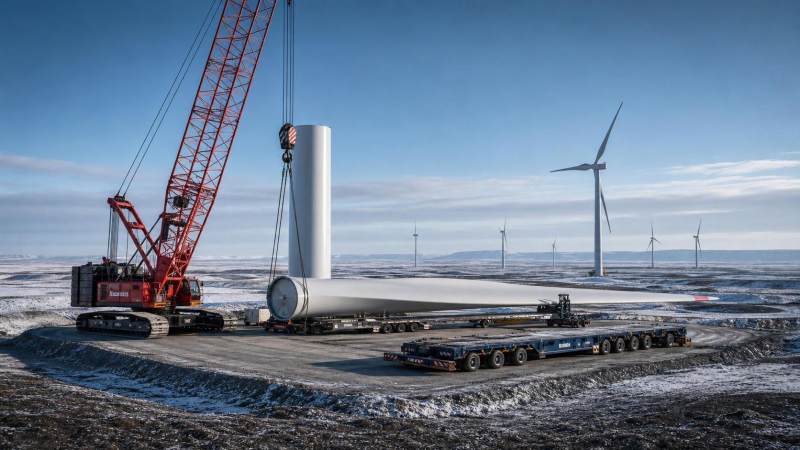
Choosing among the wind lifting equipment North America suppliers and rental fleets provide is rarely a simple capacity check. Remote wind sites add a different layer of complexity: long transport routes, unstable access roads, cold-weather exposure, short installation windows, and limited field support. In that setting, the better comparison is not only about what a crane can lift, but how reliably it can arrive, assemble, operate, and recover schedule when conditions shift.
That is why the topic matters across today’s heavy industry landscape. Wind projects are moving into harsher terrain, turbine components are getting larger, and downtime costs are rising. For an intelligence platform such as TF-Strategy, which tracks crawler cranes, haulage, road access, and project methodology together, the real question is how equipment decisions translate into lower total project risk.
What comparison should actually cover
When people discuss wind lifting equipment North America options, they often start with headline lifting charts. That is necessary, but incomplete.
A useful comparison should connect machine physics, site logistics, ground engineering, and service response. In practice, the crane is only one part of the lifting system.
For remote projects, the decision usually spans five linked questions:
- Can the equipment safely handle nacelle, hub, tower, and blade lifts at required heights and radii?
- Can it be transported to site without excessive convoy complexity or route upgrades?
- Can the site support its assembly, ground bearing pressure, and crane walk paths?
- Can the supplier sustain uptime with parts, technicians, and local knowledge?
- Can the project absorb weather delays and still meet commissioning targets?
Why North American remote sites change the decision
North America is not one uniform market. A wind site in Alberta, West Texas, Quebec, or the U.S. Mountain West creates very different operating constraints.
Distances are often longer than in more compact project regions. Permitting across states or provinces can slow mobilization. Seasonal thaw, snowpack, or soft prairie soils can alter ground preparation costs.
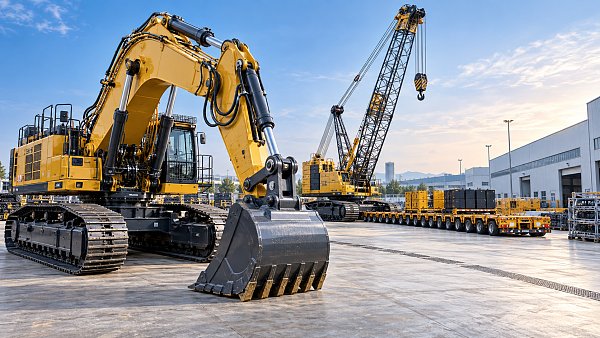
This is where the broader heavy-equipment view matters. TF-Strategy’s focus on crawler cranes, road machinery, and heavy haulage reflects a practical truth: the best lifting plan often depends on access construction and transport coordination as much as on crane specifications.
In other words, the comparison should reflect the job chain, not just the machine brochure.
Equipment types and where they fit
Most wind lifting equipment North America projects rely on falls into a few broad categories. Each has a different fit for remote conditions.
Usually, the right answer is a combination rather than a single machine choice. Main crane, assist crane, transport fleet, and ground support should be evaluated together.
The parameters that matter most
Lift envelope, not just maximum tonnage
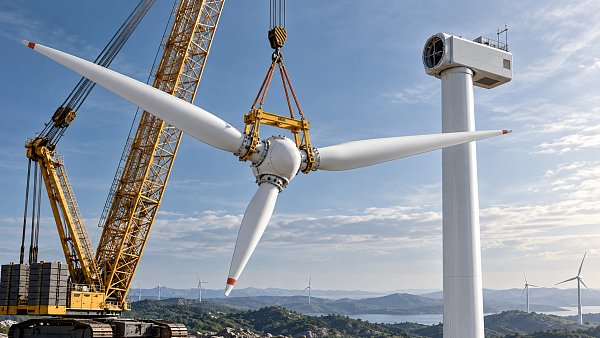
A crane may look suitable on maximum capacity yet fall short at the actual working radius. Remote wind projects need comparisons based on turbine model, hub height, component weight growth, and wind-speed thresholds during installation.
The real check is whether the equipment can maintain adequate margin under the planned lift sequence.
Mobilization burden
One of the biggest hidden costs in wind lifting equipment North America projects is mobilization. More trailer loads, escort requirements, bridge restrictions, and longer staging times can erase the benefit of a stronger machine.
A slightly lower-capacity crane with simpler logistics may produce a better project outcome if it shortens lead time and reduces route work.
Ground pressure and site preparation
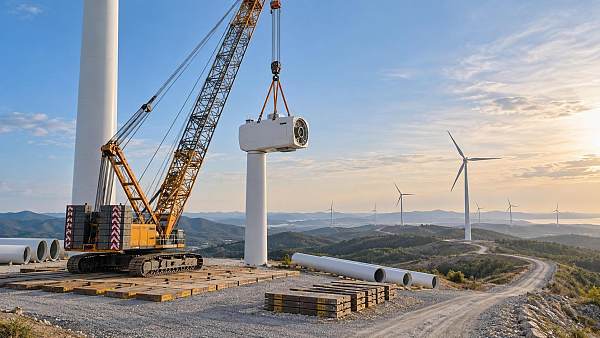
Remote wind farms often sit on soils that behave differently across seasons. Frost, thaw, rain, and repeated traffic can undermine crane pads and internal roads.
Comparing cranes without comparing geotechnical needs is risky. Ground bearing pressure, mat requirements, drainage, and pad restoration all affect total cost.
Service footprint
Remote projects punish weak support networks. Parts availability, technician dispatch time, and local experience with the specific model may matter more than a small difference in chart performance.
This is especially relevant in North America, where a project may be hundreds of miles from a major service center.
How to compare total project risk
The strongest evaluation method is to compare scenarios, not isolated machines. A risk-based view helps expose tradeoffs that a day-rate comparison hides.
- Map turbine dimensions, lift sequence, and acceptable weather window.
- Estimate transport loads, route constraints, and assembly duration.
- Quantify site works: crane pads, roads, laydown areas, and drainage.
- Score supplier response capability for breakdowns and spare parts.
- Model delay impact on downstream commissioning and grid connection.
This approach aligns with how strategic heavy-industry intelligence should be used. Equipment data becomes more valuable when it is tied to methodology, access constraints, and commercial exposure.
Signals the market is watching now
Several trends are reshaping wind lifting equipment North America comparisons.
Turbines are becoming taller and heavier, pushing demand toward larger crawler cranes and more specialized lifting systems. At the same time, labor pressure and schedule discipline make faster assembly methods more attractive.
Digital planning is also gaining weight. Lift simulation, route modeling, and remote equipment diagnostics are no longer optional extras on large projects. They help reduce uncertainty before mobilization begins.
Another shift is the growing attention to total cost of ownership. Day rate still matters, but contractors increasingly compare weather resilience, setup productivity, support density, and redeployment flexibility.
A practical checklist before selection
Before shortlisting wind lifting equipment North America options, it helps to lock down a few basics.
- Confirm final component weights, including installation tools and rigging.
- Review seasonal weather statistics, not only average annual conditions.
- Check whether access roads can accept the heaviest transport configuration.
- Test the lifting plan against the weakest ground condition likely on site.
- Ask for recent field references on comparable turbine sizes and terrain.
- Compare standby assumptions, demobilization terms, and contingency support.
These checks sound basic, but they often separate a workable plan from an expensive recovery exercise.
From comparison to decision
A sound decision on wind lifting equipment North America projects comes from matching machine capability with route reality, ground conditions, service reach, and schedule sensitivity.
The most reliable choice is not automatically the largest crane or the lowest bid. It is the option that keeps the full installation chain stable under real field conditions.
For the next step, build a comparison matrix around lift envelope, logistics, ground engineering, support coverage, and delay exposure. Then test each option against the actual site sequence. That is usually where the strongest choice becomes clear.
Related News
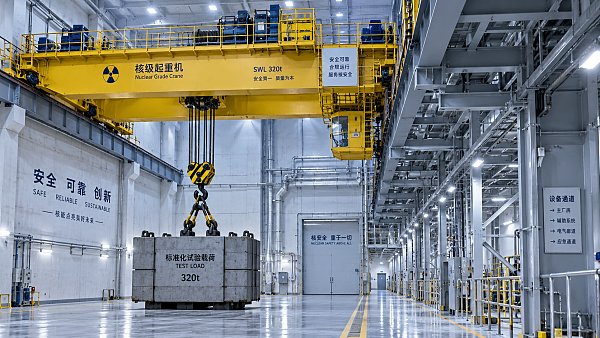
 Oct 04, 2026Nuclear Lifting Equipment Cost: Budgeting for Compliance, Testing, and Lifecycle RiskNuclear lifting equipment cost explained: budget for compliance, proof-load testing, installation, documentation, and lifecycle risk to make confident procurement decisions.
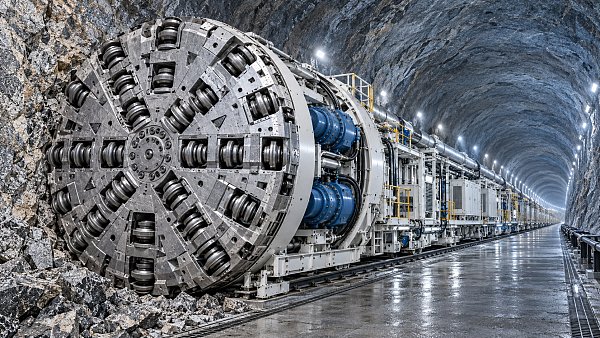
 Oct 03, 2026How to Assess TBM Manufacturers for Hard-Rock Tunneling Projects?Choose the right tunnel boring machine manufacturer for hard-rock projects. Explore key criteria for design, lifecycle cost, factory quality, and service support.
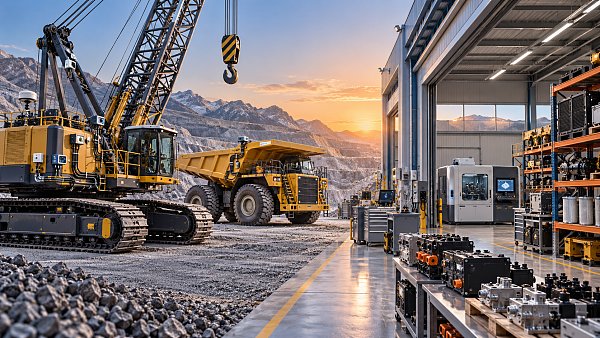
 Oct 02, 2026How to Evaluate Heavy Equipment Technology Suppliers for Fleet Uptime and SupportHeavy equipment technology suppliers can make or break fleet uptime. Learn how to assess diagnostics, data access, parts, service coverage, and support terms before you buy.
 Oct 01, 2026How to Use Technical References to Benchmark Industrial Equipment PricesIndustrial equipment technical reference pricing: learn how to normalize specifications, scope, service life, and operating costs to benchmark quotes accurately and choose the best-value equipment.
Structural Load Expert
Weekly Insights
Stay ahead with our curated technology reports delivered every Monday.