
Industrial Machinery Regulations Explained: Key Compliance Checks Before Plant Operation
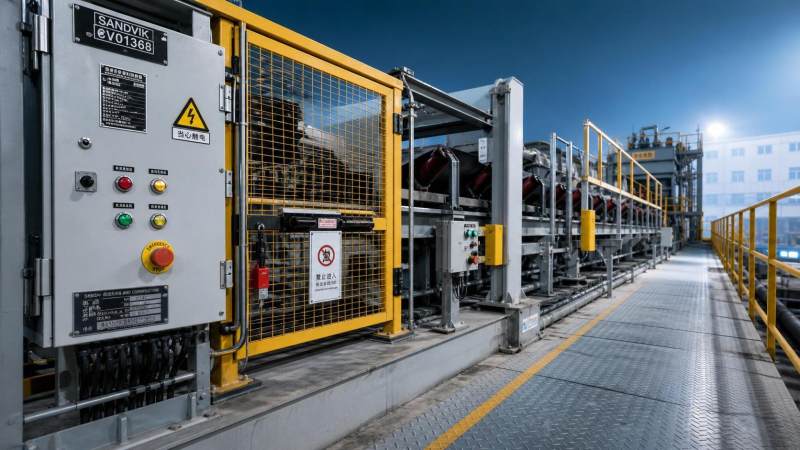
Why do industrial machinery regulations matter before a plant starts operating?
Before commissioning begins, industrial machinery regulations shape whether a plant can run, pass inspection, and avoid immediate interruption.
The issue is not paperwork alone. Regulations connect machine design, installation quality, operator exposure, energy isolation, and environmental performance.
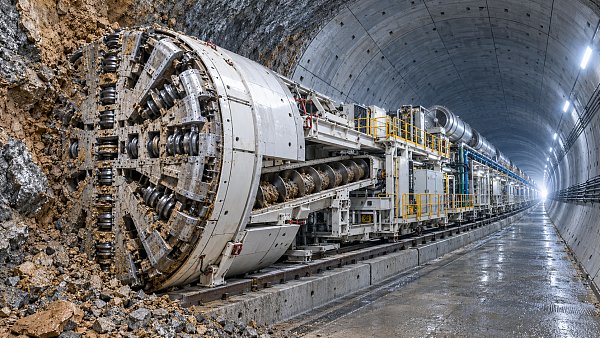
In heavy sectors, that connection becomes more visible. A crawler crane, TBM support system, or mining conveyor cannot rely on mechanical capacity alone.
It must also meet traceable compliance expectations for guarding, controls, testing, lifting integrity, and documented maintenance readiness.
That is why industrial machinery regulations are often reviewed long before first production. The cost of late correction is usually far higher.
A missing CE marking file, incomplete risk assessment, or unverified emergency stop circuit can delay startup more than a mechanical defect.
Across global infrastructure projects, TF-Strategy often tracks the same pattern. Physical performance and compliance discipline move together, not separately.
For that reason, the smartest pre-operation review treats industrial machinery regulations as an operating control, not as a legal afterthought.
Which compliance checks usually decide whether equipment is truly ready?
Most startup failures come from a small group of repeat checks. They affect both fixed plant equipment and mobile heavy machinery interfaces.
The first check is equipment conformity. Nameplates, serial numbers, load ratings, electrical data, and certification records must match actual installed assets.
The second is risk assessment closure. Hazards should be identified, reduced, and linked to engineering measures rather than left as training notes.
Guarding comes next. Fixed guards, interlocked access doors, pinch-point barriers, and perimeter protection need both correct placement and function testing.
Control systems also matter. Emergency stop circuits, safety relays, overload protection, alarms, and lockout points must work under realistic conditions.
In actual projects, documentation often lags behind hardware. That gap creates risk because inspectors assess evidence, not assumptions.
- Technical file or conformity dossier
- Installation verification and commissioning records
- Electrical test results and grounding confirmation
- Pressure, lifting, or load test certificates where relevant
- Preventive maintenance plan and spare parts criticality list
- Operator instructions and emergency response procedures
Industrial machinery regulations also extend beyond machine safety. Noise, dust, exhaust, hydraulic leaks, and waste handling can block approval.
This is especially relevant in mines, tunnel jobs, and road machinery yards, where operating environments amplify exposure and enforcement attention.
How can you tell whether a machine only looks compliant or actually is compliant?
A machine can appear modern, robust, and fully labeled, yet still fail industrial machinery regulations during a serious audit.
The practical test is whether every visible safeguard is supported by evidence, functionality, and a documented decision trail.
For example, an interlocked guard should not only stop motion. It should be validated for response, reset logic, and foreseeable misuse.
A lifting system should not only display a rated capacity. It needs structural review, inspection history, and clear operating limitations.
The table below helps separate surface-level readiness from real compliance maturity.
This distinction matters because industrial machinery regulations are enforced through consistency. One good component does not correct a weak system.
What standards and records are most often checked during startup reviews?
The exact framework depends on country, machine type, and hazard profile. Still, startup reviews tend to ask for the same categories.
Expect scrutiny on machinery safety standards, electrical codes, pressure system rules, lifting regulations, emissions limits, and worker protection requirements.
In multinational projects, industrial machinery regulations often combine local law with contract-specific standards and insurer requirements.
That layered reality is common in sectors followed by TF-Strategy, especially where imported equipment enters mines, tunnel sites, and energy construction zones.
The records below usually carry the most weight during pre-operation checks.
- Risk assessment with residual hazard notes
- Factory acceptance and site acceptance test reports
- Calibration certificates for safety-critical instruments
- Load charts, pressure settings, and relief valve records
- Lubrication, inspection, and condition monitoring plans
- Training logs tied to actual machine tasks
- Incident reporting and permit-to-work procedures
One overlooked point is software. Remote diagnostics, programmable logic, and smart safety controls now fall inside practical compliance boundaries.
If control logic changes are possible, version management and authorization records should be reviewed before live operation begins.
Where do plants usually make mistakes with industrial machinery regulations?
The most common mistake is treating industrial machinery regulations as a final gate instead of a design and installation discipline.
That approach leads to rushed retrofits, hurried labeling, and training sessions that explain controls nobody has properly validated.
Another mistake is copying a compliance file from a similar machine. Similarity does not equal applicability.
A road paver, a slurry treatment module, and a mining dump truck may share components, yet their hazards differ sharply.
Some plants also underestimate interfaces. The machine itself may comply, while the surrounding access platform, cable route, or ventilation setup does not.
In real operations, several warning signs usually appear before an inspection failure:
- Drawings do not match field installation
- Temporary bypasses remain after commissioning
- Spare parts are unavailable for safety-critical assemblies
- Training covers theory but not abnormal operating conditions
- Maintenance intervals are copied from vendors without site adjustment
These errors increase shutdown risk because industrial machinery regulations are checked under operating reality, not ideal assumptions.
How should a pre-operation compliance review be organized in practice?
A workable review starts by dividing equipment into risk groups, then matching each group to legal, technical, and operational requirements.
High-energy systems deserve the deepest review. That includes lifting equipment, pressurized units, rotating drives, electrical switchgear, and automated lines.
Then move from documents to field verification. A file review without walkdown checks rarely captures installation drift.
More useful reviews compare three things at once: design intent, as-built condition, and actual operating method.
A practical sequence often works best:
- Map applicable industrial machinery regulations by equipment family and site location.
- Check conformity documents against installed serial numbers and revisions.
- Verify guards, interlocks, alarms, and emergency controls in the field.
- Review emissions, dust, ventilation, noise, and waste controls.
- Confirm maintenance readiness, spare parts coverage, and training competency.
- Close gaps with owners, deadlines, and retest criteria before startup approval.
For internationally sourced equipment, it also helps to track regional intelligence on standards interpretation and field enforcement trends.
That broader view is where specialized industry monitoring becomes useful. It helps connect machine parameters with project execution realities.
What is the smartest next step before giving the green light?
The best next step is not another general meeting. It is a gap-based readiness review built around evidence.
Start with the machines most capable of causing severe injury, long downtime, or permit exposure. Review them first and deeply.
Then build a short closure list that separates critical startup blockers from improvements that can be managed after commissioning.
That distinction keeps industrial machinery regulations tied to risk, not buried under administrative noise.
For heavy industry projects, especially those involving TBM systems, open-pit fleets, cranes, or large road machinery, the same rule applies.
Compliance works best when physical performance, construction method, and operating discipline are reviewed as one system.
If the goal is a stable launch, use industrial machinery regulations to test readiness early, document decisions clearly, and verify the field condition before first operation.
That approach reduces shutdown surprises, supports safer production, and gives every later inspection a stronger starting point.
Related News
 Oct 08, 2026How to Evaluate a Heavy Machinery Information Platform for Project Equipment SourcingHeavy machinery information platform guide: compare equipment fit, source reliability, lifecycle costs, supplier capability, and compliance to make smarter sourcing decisions.
 Oct 07, 2026How to Evaluate a Hydraulic System Component Supplier for Heavy Equipment UptimeChoose a hydraulic system component supplier with proven quality, technical fit, and reliable delivery to reduce heavy equipment downtime and lifecycle costs.
 Oct 06, 2026Selecting Petrochemical Overhead Cranes for Hazardous Areas and Heavy Process LoadsPetrochemical overhead cranes for hazardous areas: learn how to match capacity, duty, controls, corrosion protection, and maintenance access for safer, reliable lifts.
 Oct 05, 2026Tunneling Equipment Specification Planning: Key Criteria for Ground and Project RisksEquipment specification planning tunneling: learn how to match TBM systems to ground risks, geometry, safety, logistics, and lifecycle cost for more reliable project delivery.
Ms. Elena Rodriguez
Weekly Insights
Stay ahead with our curated technology reports delivered every Monday.