
What Drives Large Lifting Solution Cost? Budget Factors from Crane Size to Site Setup
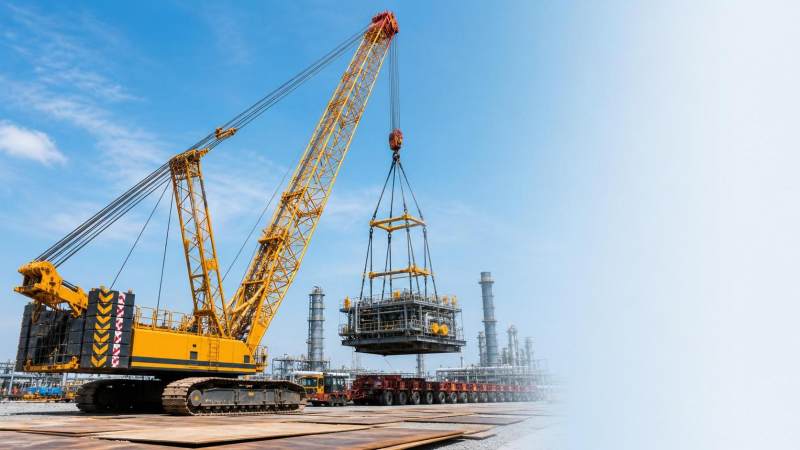
What Drives Large Lifting Solution Cost? Budget Factors from Crane Size to Site Setup
Understanding large lifting solution cost starts with more than crane tonnage alone.
A bigger crane often raises the budget, but that is rarely the whole story.
In real projects, the final number depends on engineering choices, site conditions, transport routes, and schedule pressure.
That matters because procurement teams are not just buying lift capacity.
They are funding a complete lifting outcome, with safety, timing, and risk control built into the price.
When reviewing large lifting solution cost, the smartest approach is to break the budget into visible cost drivers.
That makes vendor comparisons clearer and helps avoid approval surprises later.
The sections below explain where the money goes, what usually gets missed, and how to evaluate options with more confidence.
Crane Size Is the Starting Point, Not the Final Budget
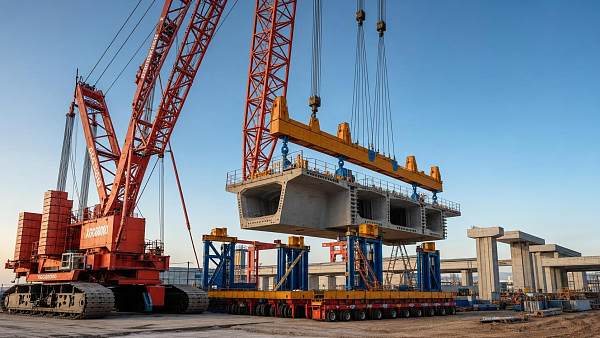
Crane size is the most visible factor in large lifting solution cost.
Higher tonnage usually means higher daily rates, more counterweights, and more complex mobilization.
But rated capacity alone does not define the right machine.
Actual cost depends on lift radius, hook height, boom length, jib use, and required operating margin.
A shorter-radius lift may use a smaller crawler crane.
The same load at a longer radius can require a much larger unit.
This is why two bids for the same component can look very different at first glance.
Key machine-related budget questions
- What is the actual lifted weight, including rigging and accessories?
- What lift radius is required from crane center to final placement?
- Is luffing jib or fixed jib configuration needed?
- What safety factor is being assumed in the lift plan?
- Can the lift be split into smaller modules?
A modular installation strategy sometimes lowers large lifting solution cost more effectively than negotiating crane day rates.
Boom Configuration Changes the Economics Fast
Boom setup has a direct impact on price, and it is often underestimated early.
Longer main boom, heavy-lift attachments, luffing systems, and superlift packages all add cost.
These choices affect not only rental rates, but also transport loads, assembly time, and labor hours.
In practical terms, configuration complexity can move large lifting solution cost more than the crane model itself.
This is especially true for wind, petrochemical, nuclear, and oversized industrial modules.
When scope changes late, boom revisions can trigger a fresh engineering review and a different logistics plan.
What to confirm in vendor proposals
- Included boom length and attachment details
- Counterweight quantity and superlift requirements
- Assembly and disassembly duration
- Crew size for setup, operation, and dismantling
- Any exclusions tied to revised lift geometry
Transport and Mobilization Can Reshape the Budget
One of the biggest hidden drivers of large lifting solution cost is getting the equipment to site.
Large crawler cranes move in many trailer loads.
That includes boom sections, crawlers, carbody, counterweights, hooks, winches, and support gear.
Fuel, escort vehicles, route surveys, permit fees, and local restrictions all influence cost.
Remote sites push this even higher.
Mountain roads, weak bridges, port congestion, and weather windows can add days or weeks.
As a result, transport planning is not an administrative line item. It is a core part of large lifting solution cost.
Common mobilization cost components
Ground Conditions and Site Setup Drive Real Execution Cost
Site preparation is another major factor behind large lifting solution cost.
Heavy cranes need stable bearing capacity, level access, and enough working space.
If the ground is weak, mats, steel plates, compaction, or civil works may be required.
That can become a serious budget item before the first lift starts.
Restricted sites also increase cost.
Urban projects, refinery tie-ins, and confined industrial yards often require complex positioning and phased setup.
In those cases, site setup becomes a direct budget lever, not just a field issue.
Site factors that raise cost
- Low soil bearing capacity
- Limited crane assembly area
- Nearby structures, pipelines, or overhead lines
- Poor internal roads or turning radius limits
- Need for temporary works and access upgrades
A thorough site survey often reduces large lifting solution cost by preventing redesign, delays, and emergency field changes.
Engineering, Permits, and Safety Controls Are Part of the Purchase
A credible large lift is engineered, documented, and reviewed.
That engineering work contributes directly to large lifting solution cost.
Lift studies, rigging design, method statements, ground bearing checks, and risk assessments all take time.
For critical infrastructure, third-party review may also be required.
Permits can add further cost and variability.
Road closures, night work approvals, police support, and environmental constraints can all change the budget.
Low bids sometimes exclude these items, which makes headline pricing look attractive but incomplete.
Schedule Pressure Usually Makes Large Lifting Solution Cost Higher
Timing has a powerful effect on large lifting solution cost.
Urgent projects limit crane availability and reduce the ability to optimize configuration.
Expedited transport, overtime assembly, standby crews, and weather contingency all push pricing upward.
Short windows are common in shutdowns, wind installation, and petrochemical maintenance campaigns.
In these environments, the cheapest quote may carry the highest schedule risk.
A slightly higher approved budget can protect a much larger project milestone.
Questions to test schedule realism
- Is the crane truly available in the required period?
- Are transport permits already validated for the route?
- How many weather days are built into the plan?
- What are the standby charges for delay events?
- What happens if the component arrival slips?
How to Compare Quotes Without Missing Hidden Cost
The most reliable way to assess large lifting solution cost is to compare total execution scope.
Do not compare daily crane rates in isolation.
Instead, line up each quote by engineering, mobilization, setup, operating window, exclusions, and contingency treatment.
This is where disciplined procurement creates value.
A lower upfront price can become a higher landed cost once site works and delay exposure are included.
A stronger quote is usually the one that makes assumptions visible.
A practical review checklist
- Check whether rigging, engineering, and permits are included
- Confirm setup and dismantling days separately from lifting days
- Review transport assumptions and route restrictions
- Validate ground preparation responsibilities
- Quantify standby, cancellation, and delay charges
- Ask for a clear list of commercial exclusions
A Better Approval Decision Starts With Total Cost Visibility
Large lifting solution cost is shaped by far more than crane capacity.
Machine size, boom configuration, transport, site setup, engineering, permits, and schedule risk all influence the final budget.
The clearest path to a sound approval decision is full scope visibility before commitment.
That means asking better questions early, challenging incomplete quotes, and linking lifting strategy to overall project economics.
For organizations tracking global heavy industry, this cost discipline is becoming more important, not less.
As projects grow larger and sites grow more constrained, hidden lifting costs become easier to trigger.
A well-structured review helps control those costs before they reach the field.
When the objective is reliable delivery, the best budget decision is rarely the lowest quote. It is the most complete one.
Related News
 Oct 01, 2026How to Use Technical References to Benchmark Industrial Equipment PricesIndustrial equipment technical reference pricing: learn how to normalize specifications, scope, service life, and operating costs to benchmark quotes accurately and choose the best-value equipment.
 Sep 30, 2026What Does an Ultra-Large Excavator Really Cost Over Its Service Life?Ultra-large excavators cost far more than purchase price. Explore lifecycle expenses, uptime risks, energy use, maintenance, and cost-per-tonne insights.
 Sep 29, 2026Infrastructure Construction Standards: A Project Manager’s Guide to ComplianceInfrastructure construction standards guide for project managers: turn requirements into field controls, hold points, traceability, and compliant delivery.
 Sep 28, 2026How to Specify Custom Mining Equipment for Abrasive Ground and High-Load HaulageCustom mining equipment for abrasive ground and high-load haulage: learn how to optimize payload, wear protection, powertrains, uptime, and lifecycle cost for safer, reliable production.

Structural Load Expert
Weekly Insights
Stay ahead with our curated technology reports delivered every Monday.