
Heavy Machinery Specification Reference: How to Compare Engine Power, Weight, and Duty Cycle
Why does a heavy machinery specification reference matter so much?
A good heavy machinery specification reference does more than list numbers. It helps separate marketing claims from working capability in real field conditions.
That matters because engine power, operating weight, and duty cycle rarely mean the same thing across equipment categories.
A tunnel boring machine, a crawler crane, and a mining dump truck can all look powerful on paper. Their useful performance is still defined by different loading patterns.
In practice, the best comparisons connect physical specifications with task intensity, terrain, shift length, maintenance windows, and operating stability.
This is where a heavy machinery specification reference becomes valuable for early research. It gives structure before cost models or project schedules are finalized.
TF-Strategy often frames this as linking power and precision. That view is useful because raw output only matters when it supports method, safety, and production rhythm.
When people compare engine power, what are they usually missing?
The common mistake is treating horsepower or kilowatts as a direct ranking tool. Higher power does not always mean higher effective productivity.
What matters more is how that power is delivered. Peak output, continuous output, torque curve, and hydraulic efficiency can change the real result.
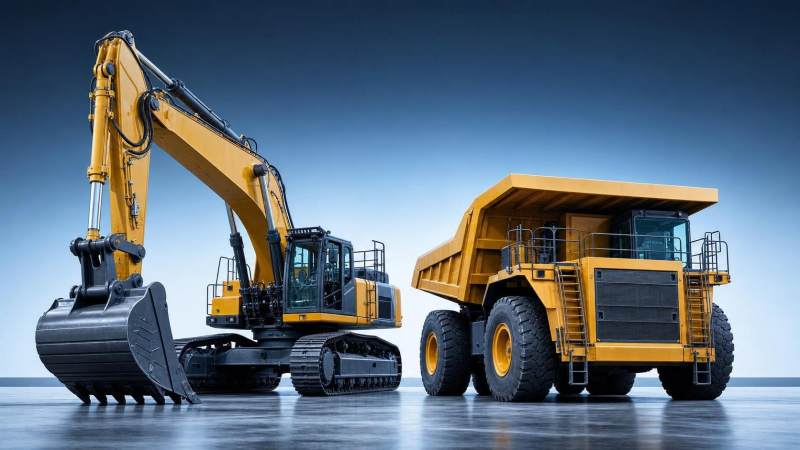
For example, an ultra-large excavator may need strong sustained hydraulic response during repetitive digging. A dump truck may depend more on gradeability and driveline efficiency.
TBMs add another layer. Installed power can be high, but boring performance also depends on geology, cutterhead design, penetration rate, and spoil handling.
A useful heavy machinery specification reference should therefore ask a better question: power for what exact resistance, speed, and duration?
A practical reading approach is to compare power together with:
- rated versus peak output
- hydraulic or electric transmission losses
- fuel burn or energy draw at load
- cycle-based productivity, not headline power alone
Is heavier equipment always better for serious work?
Not necessarily. Operating weight improves stability, traction, structure, and sometimes digging or lifting confidence. It also creates transport, ground pressure, and access constraints.
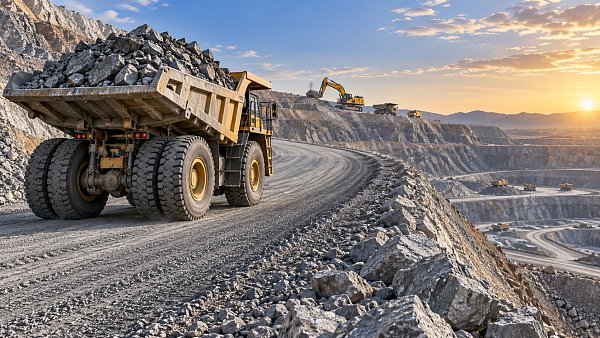
In open-pit mining, more mass may support bucket capacity and durability. On soft ground, bridge crossings, or constrained urban sites, that same mass becomes a planning problem.
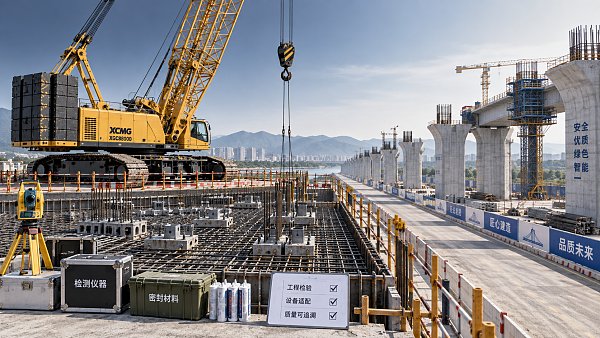
Crawler cranes show this clearly. A heavier base machine can support bigger lifts, but actual lifting charts still depend on boom configuration, radius, counterweight, and site setup.
Road machinery follows a similar pattern. Added weight may improve compaction effect, yet transport permits, lane restrictions, and subgrade sensitivity can limit deployment.
So a heavy machinery specification reference should treat weight as a context metric. It tells you how the machine stands, travels, and reacts under load.
A quick comparison table for first-pass research
When scanning specification sheets, this table helps turn isolated numbers into useful questions.
Duty cycle sounds technical. Why is it often the deciding factor?
Because many machines fail comparisons when work becomes repetitive, hot, steep, abrasive, or continuous. Duty cycle reveals whether performance can be maintained without excessive downtime.
A mining truck on a short brochure test may look efficient. Over long uphill hauls in thin air, power derating and brake thermal load can tell a different story.
The same logic applies to TBMs. Continuous boring is limited by cutter wear, muck removal, segment handling, and maintenance access, not by motor size alone.
For cranes, duty cycle affects hoist system endurance, slew frequency, and how often high-load lifting can be repeated without pushing thermal or structural limits.
A strong heavy machinery specification reference therefore looks for sustained capacity. It asks how the machine behaves in a full shift, not just in a clean demonstration.
Useful signs include service interval length, component cooling reserve, wear part life, and how productivity changes after several hours of loaded operation.
How should you compare different equipment types without forcing a false match?
The key is to compare function first, then specifications. A heavy machinery specification reference works best when machines are grouped by work objective.
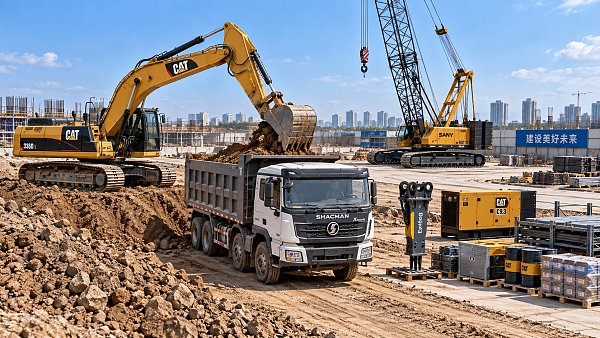
In other words, compare excavators by digging resistance and cycle output, dump trucks by haul profile and payload movement, and cranes by lift geometry and setup efficiency.
Cross-category research still matters, especially in large infrastructure planning. But the connection should be operational, not just numerical.
That is why industry portals such as TF-Strategy track tunneling, mining, lifting, road building, and heavy haulage together. Project decisions often sit at their intersection.
A road package may depend on quarry production. A shaft or tunnel plan may depend on crane erection logistics. A mine fleet choice may affect crusher and haul-road design.
So the best reference method is not comparing every machine by identical columns. It is comparing each machine by the bottleneck it must solve.
A simple decision filter
- If the site is space-limited, weight, dimensions, and assembly steps rise in importance.
- If the work is continuous, duty cycle and maintenance rhythm matter more than peak figures.
- If conditions are extreme, derating, cooling, and wear behavior become major comparison points.
- If output depends on system matching, evaluate the whole chain instead of a single machine.
What mistakes make a heavy machinery specification reference unreliable?
One frequent mistake is mixing standards without noticing. Rated power, operating weight definitions, and lifting capacities can vary by test method or reporting basis.
Another issue is ignoring environment. High altitude, abrasive rock, wet clay, freezing temperatures, or long haul gradients can distort comparisons very quickly.
Some references also overlook machine configuration. Optional counterweights, bucket sizes, track shoes, tires, and electric or diesel variants can shift performance significantly.
There is also a timing problem. New energy systems, remote control packages, and automation kits change duty cycle economics even when base power stays similar.
A strong heavy machinery specification reference should therefore be checked against current project logic, not treated as a timeless static sheet.
A practical review usually includes these checks:
- Are all machines measured under comparable standards?
- Was the listed configuration the base model or a project-specific setup?
- Do site conditions reduce rated output or shorten wear life?
- Does the machine fit the production chain around it?
So what is the best next step after reading the specifications?
Start by turning the heavy machinery specification reference into a short comparison framework. Three to five metrics are usually enough for a first serious screen.
Focus on the relationship between engine power, operating weight, and duty cycle. Then add one project-specific factor such as geology, haul distance, lift radius, or paving width.
This reduces noise. It also makes later cost, risk, and schedule discussions much clearer because the key performance trade-offs are already visible.
In actual research, the best answers come from layered comparison. Start with specifications, move to application conditions, then test against uptime and maintenance assumptions.
That is also why intelligence-led platforms remain useful. They connect machine data with evolving project methods, energy transition pressures, and regional infrastructure demand.
If the goal is sound understanding, not just quick browsing, build a reference sheet that records rating basis, configuration, duty assumptions, and site limits side by side.
A reliable heavy machinery specification reference is not about finding the biggest number. It is about identifying the machine whose numbers still make sense when work begins.
Related News
 Sep 29, 2026Infrastructure Construction Standards: A Project Manager’s Guide to ComplianceInfrastructure construction standards guide for project managers: turn requirements into field controls, hold points, traceability, and compliant delivery.
 Sep 28, 2026How to Specify Custom Mining Equipment for Abrasive Ground and High-Load HaulageCustom mining equipment for abrasive ground and high-load haulage: learn how to optimize payload, wear protection, powertrains, uptime, and lifecycle cost for safer, reliable production.
 Sep 29, 2026What belongs in a construction equipment package sourcing plan?Construction equipment package planning sourcing guide: learn how to match machines, attachments, site conditions, supplier support, costs, and acceptance gates for reliable project delivery.
 Sep 29, 2026How to verify equipment durability before approving suppliers at scaleHow can heavy equipment manufacturers verify durability and manage supplier risk at scale? Explore practical testing, traceability, audits, and control strategies.
Ms. Elena Rodriguez
Weekly Insights
Stay ahead with our curated technology reports delivered every Monday.