
How Heavy Equipment Technology Automation Improves Fleet Uptime and Jobsite Safety
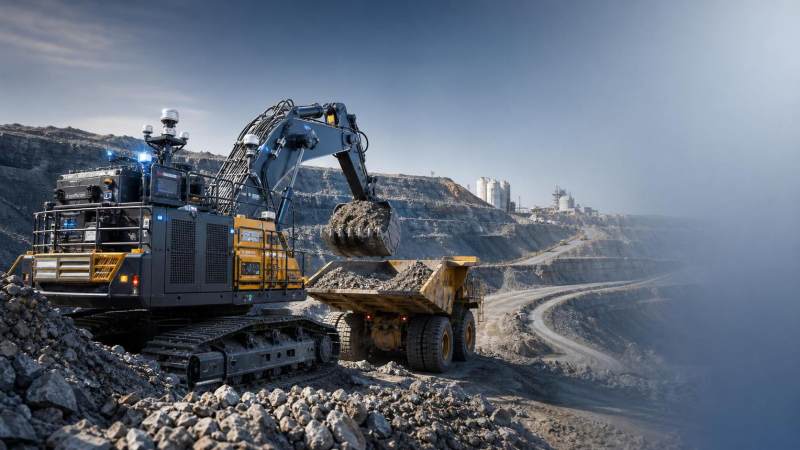
How Heavy Equipment Technology Automation Improves Fleet Uptime and Jobsite Safety
For enterprise leaders managing complex fleets, heavy equipment technology automation is no longer a future concept. It is a practical lever for uptime, cost control, and safer execution.
Across mining, tunneling, lifting, and road construction, equipment must work harder, longer, and with fewer unplanned stops. That pressure is driving faster adoption of connected, automated systems.
From predictive maintenance to operator-assist functions, heavy equipment technology automation helps teams reduce downtime, catch risks earlier, and improve decisions across the asset lifecycle.
Why Uptime and Safety Are Now Strategic Metrics
In heavy industry, every idle machine affects production, contract schedules, fuel usage, and labor efficiency. A single failure can also trigger downstream delays across an entire project chain.
Safety carries the same weight. High-capacity fleets operate around blind spots, unstable ground, fatigue, and tight coordination windows. Small mistakes can escalate quickly.
This is where heavy equipment technology automation changes the equation. It moves fleet management from reactive firefighting toward continuous monitoring, guided action, and more stable execution.
How Heavy Equipment Technology Automation Raises Fleet Uptime
Predictive maintenance reduces surprise failures
Traditional maintenance often relies on fixed intervals. That method misses actual equipment condition, especially in harsh duty cycles or variable loads.
Heavy equipment technology automation uses sensor data from engines, hydraulics, drivetrains, and structural systems. These signals reveal wear patterns before failure becomes visible.
When temperature, vibration, pressure, or fluid quality trends shift, service teams can intervene early. That shortens repair windows and prevents expensive secondary damage.
Remote diagnostics speeds response
Connected fleets allow technicians to review fault codes and operating history without waiting for manual inspection. That matters on remote mines, tunnels, and linear infrastructure projects.
Remote diagnostics also improves parts planning. Teams can identify likely failure points earlier and prepare labor, tools, and components before dispatch.
In practice, heavy equipment technology automation helps reduce mean time to repair because troubleshooting starts before the machine reaches the workshop.
Operator-assist systems protect performance consistency
Even strong fleets lose uptime when operation is inconsistent. Overloading, poor digging angles, harsh braking, or improper lifting cycles create avoidable stress.
Automation features such as grade control, payload guidance, anti-sway assistance, and traction management help operators stay within optimal ranges.
That means fewer misuse-related breakdowns, more repeatable output, and better asset life. The result is not only efficiency, but more predictable availability.
How Automation Strengthens Jobsite Safety
Real-time monitoring improves hazard visibility
Heavy equipment technology automation provides a live view of machine behavior, location, proximity, and environmental conditions. That improves situational awareness across busy jobsites.
Proximity detection, camera systems, geofencing, and collision alerts help crews identify hazards earlier. This is especially useful where personnel and large machines share narrow operating zones.
In mining haul roads or crane lift paths, automation can flag unsafe movement patterns before they turn into incidents. That supports faster intervention and cleaner compliance records.
Reduced exposure lowers human risk
A major safety benefit comes from removing people from the highest-risk tasks. Remote operation and semi-autonomous functions are central to that shift.
Machines can work in blast zones, unstable slopes, confined tunnels, or extreme temperatures with less direct human exposure. That is a clear operational advantage.
For contractors handling difficult terrain or round-the-clock schedules, heavy equipment technology automation helps separate workforce presence from machinery danger zones.
Data-driven safety management closes the loop
Safety improves further when site leaders can study repeat patterns. Automation platforms store braking events, overload warnings, idle behavior, route deviations, and operator inputs.
That history supports targeted training, revised work plans, and stronger controls. It also makes post-incident review more factual and less dependent on fragmented reporting.
Where the Value Is Most Visible
The benefits of heavy equipment technology automation are broad, but the strongest impact usually appears in demanding asset classes and high-risk environments.
- TBM operations: sensor-led maintenance and remote diagnostics reduce stoppages in constrained underground access conditions.
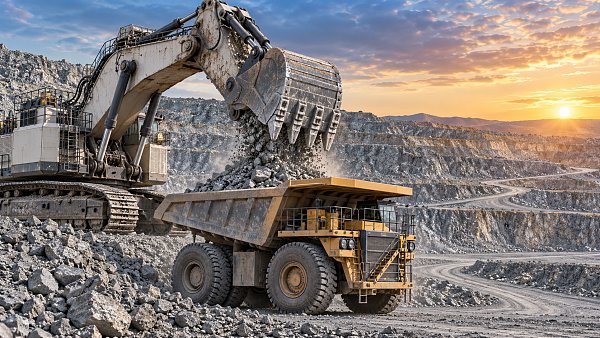
- Open-pit mining: autonomous haul support and payload optimization improve cycle consistency and traffic safety.
- Crawler cranes: lift monitoring, anti-sway control, and load feedback improve precision during critical heavy lifts.
- Road machinery: automated grade and paving controls support smoother output and lower rework risk.
- Large excavators: bucket guidance and hydraulic performance monitoring reduce wear under continuous heavy-duty operation.
From recent market shifts, the clearer signal is that automation now supports both operational resilience and commercial discipline. That combination matters in capital-intensive projects.
What Decision-Makers Should Evaluate Before Adoption
Not every automation upgrade delivers the same return. Stronger results usually come from matching heavy equipment technology automation to actual site bottlenecks and asset risks.
- Start with failure history. Identify components, routes, and tasks causing the most downtime or safety exposure.
- Check data quality. Automation performs better when telematics, maintenance logs, and operator records are reliable.
- Prioritize interoperable systems. Avoid isolated tools that cannot share alerts, service data, or machine status.
- Plan workforce adoption. Operators and maintenance teams need practical workflows, not just new dashboards.
- Measure outcomes. Track uptime, near-miss frequency, repair lead time, fuel burn, and asset utilization after deployment.
This also means automation should be assessed as a business system, not only as a machine feature. The value comes from decisions, response speed, and standardization.
Common Risks and How to Manage Them
Heavy equipment technology automation delivers real gains, but weak implementation can limit impact. The most common problem is fragmented deployment across mixed fleets.
Another issue is alert overload. If teams receive too many low-value notifications, critical warnings are easier to miss during peak operations.
Cybersecurity also matters more than before. Connected assets, remote access tools, and cloud diagnostics expand the operational attack surface.
The practical response is disciplined rollout. Set clear priorities, define escalation rules, and align OEM, site, and service partners around common operating standards.
Why This Trend Matters Now
Global infrastructure demand is rising while labor constraints, decarbonization pressure, and project complexity continue to grow. Equipment must deliver more with less disruption.
That is why heavy equipment technology automation is moving from optional innovation to operating baseline. It supports reliability, safety, and better capital efficiency at the same time.
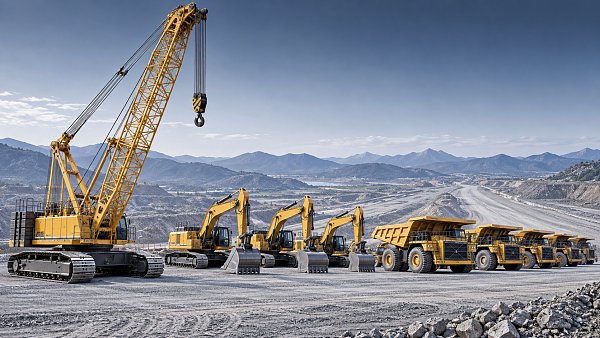
For organizations tracking developments in TBM systems, open-pit fleets, crawler cranes, road machinery, and mining dump trucks, the direction is increasingly clear.
Automation is not replacing judgment. It is strengthening it with better visibility, faster diagnostics, and more repeatable machine performance in the field.
The most effective next step is to focus on the assets creating the highest operational drag, then scale heavy equipment technology automation where uptime and safety gains are measurable.
Related News
 Oct 09, 2026Ultra-Large Excavator Bucket Size: Capacity, Width, and Site Fit ExplainedUltra large excavator bucket size explained: compare capacity, width, payload, truck matching, and site conditions to select a reliable, high-productivity bucket.
 Oct 08, 2026How to Evaluate a Heavy Machinery Information Platform for Project Equipment SourcingHeavy machinery information platform guide: compare equipment fit, source reliability, lifecycle costs, supplier capability, and compliance to make smarter sourcing decisions.
 Oct 07, 2026How to Evaluate a Hydraulic System Component Supplier for Heavy Equipment UptimeChoose a hydraulic system component supplier with proven quality, technical fit, and reliable delivery to reduce heavy equipment downtime and lifecycle costs.
 Oct 06, 2026Selecting Petrochemical Overhead Cranes for Hazardous Areas and Heavy Process LoadsPetrochemical overhead cranes for hazardous areas: learn how to match capacity, duty, controls, corrosion protection, and maintenance access for safer, reliable lifts.
Ms. Elena Rodriguez
Weekly Insights
Stay ahead with our curated technology reports delivered every Monday.