
Underground Excavation Equipment Safety Standards: What to Check Before Site Approval
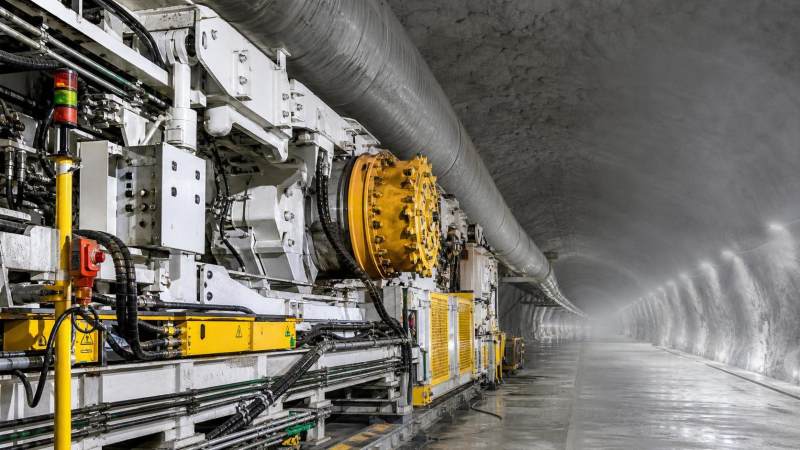
Before any underground excavation moves from planning to execution, site approval depends on more than permits and machine delivery. It depends on whether underground excavation equipment safety standards are actually reflected in equipment condition, crew capability, air management, power integrity, and emergency readiness under real working conditions.
That is why this topic matters across transport tunnels, utility corridors, mining drifts, basement works, and urban microtunneling. A machine can meet performance targets on paper, yet still fail the approval test if safety controls do not match geology, access limits, or operational complexity.
From the perspective of TF-Strategy, where machinery data, construction methods, and infrastructure decisions are read together, underground excavation equipment safety standards are not a checklist to complete at the end. They are an early filter for judging whether the site, machine, and method are aligned.
Why site approval now demands closer safety verification
Underground projects have become denser, deeper, and less forgiving. Urban tunneling often runs near utilities, transport lines, or existing foundations. Mining headings face heat, water ingress, dust, and variable rock conditions.
At the same time, equipment is becoming more digital. Remote diagnostics, automated controls, battery support systems, and advanced hydraulic packages improve productivity, but they also add failure modes that must be checked before approval.
This is where underground excavation equipment safety standards gain practical value. They help translate broad compliance duties into specific approval questions: Is the machine fit for the heading? Is the ventilation model realistic? Can isolation and rescue be executed under delay or power loss?
What underground excavation equipment safety standards really cover
In practice, these standards cover the interaction between equipment, environment, and people. They are not limited to machine guarding or document control.
For underground excavation, the safety baseline usually includes mechanical integrity, electrical protection, hydraulic stability, fire prevention, atmospheric control, visibility, communication, and controlled access around moving equipment.
They also address suitability. A loader, roadheader, jumbo, scaling rig, TBM support train, conveyor segment, or compact excavator may be certified and maintained, yet still be unsuitable for a narrow heading, weak ground, or poor drainage profile.
In other words, underground excavation equipment safety standards are about safe deployment, not only safe ownership.
The approval lens should stay operational
A useful review asks how the machine will behave during startup, full load, interruption, relocation, maintenance, and emergency withdrawal. Many incidents happen during transitions rather than steady production.
Core checks before approving the site
Approval becomes more reliable when the review is organized around failure points instead of paperwork folders. The following areas usually deserve the closest attention.
1. Equipment condition and configuration
Inspection should confirm structural soundness, brake performance, steering response, boom and attachment stability, hose condition, cable routing, and leak-free hydraulic systems.
Pay attention to safety-critical retrofits. Fire suppression systems, gas detection interfaces, proximity warning devices, emergency stop circuits, and isolation points must match the current machine configuration, not an older drawing.
2. Operator readiness and control discipline
Competence is not proven by a generic license alone. The review should connect operator authorization to the actual equipment model, work method, and ground condition.
Short but targeted verification matters here: startup sequence, blind-spot awareness, lockout procedure, communication protocol, and reaction to smoke, water, or roof instability.
3. Ventilation and atmospheric protection
No underground excavation equipment safety standards review is complete without testing the air plan against actual equipment loading. Diesel fleets, blasting residue, dust generation, and confined geometry can invalidate a theoretical ventilation design.
Check airflow direction, monitoring points, alarm thresholds, duct condition, backup ventilation capacity, and the response time for gas or oxygen alarms. If the plan assumes continuous airflow, the approval should also address what happens during interruption.
4. Power systems and isolation logic
Underground power risks are often hidden. Damaged trailing cables, overloaded temporary boards, wet connectors, unprotected battery charging areas, and poor grounding can turn a manageable site into an unapprovable one.
Isolation must be practical, visible, and drill-tested. It should be possible to de-energize machinery quickly, verify zero energy, and secure the area without creating confusion between mechanical, electrical, and hydraulic hazards.
5. Emergency response under underground constraints
Emergency planning should be judged by time and distance. A rescue route that looks acceptable on a layout may be unrealistic when smoke, debris, or equipment congestion is present.
Verify refuge arrangements, firefighting access, medical extraction paths, communication redundancy, and accountability procedures during shift change or partial evacuation.
Different excavation methods create different approval priorities
The same underground excavation equipment safety standards apply differently across methods. Approval should reflect that difference.
Conventional drill-and-blast headings
The critical issues are usually re-entry timing, ventilation recovery, scaling equipment condition, and blast-fume clearance. Loose ground can turn a routine cycle into a high-risk shift.
Roadheaders and continuous mechanical excavation
These setups require close review of cutting head guarding, dust suppression, cable management, heat load, and conveyor transfer points. Production continuity can hide rising atmospheric or entanglement risks.
TBM and segment-based tunnel systems
For TBM operations, safety approval extends beyond the cutterhead area. Backup gantries, segment handling, slurry or spoil circuits, confined maintenance zones, and fire load along the train require integrated review.
This systems view aligns with TF-Strategy’s focus on linking machine parameters with construction methodology. In large tunnel projects, equipment safety is rarely isolated to a single machine.
What often gets missed during approval reviews
Several weak points appear repeatedly, even on technically strong projects.
- Temporary modifications remain undocumented after field adjustments.
- Machine access paths are approved before drainage behavior is verified.
- Emergency stops exist, but their reach and labeling are poor underground.
- Detection systems are installed, but calibration intervals are unclear.
- Maintenance teams can isolate power, but not stored hydraulic energy.
- Communication plans fail at headings, crosscuts, or during relocation.
These are not minor defects. They are the gaps that often separate document compliance from field readiness.
How to apply the standards more effectively
A strong approval process combines records review with field confirmation. Maintenance logs, training files, and risk assessments matter, but they should be tested against real machine setup and real site constraints.
It helps to review underground excavation equipment safety standards through three linked questions.
- Is the equipment technically fit for the planned excavation method?
- Can the crew operate, isolate, and recover the equipment safely underground?
- Will site conditions remain safe when routine operations are disrupted?
When one answer is weak, approval should pause until the gap is resolved. That approach is slower at the front end, but cheaper than correcting failure inside the heading.
A practical next step
The most useful next move is to turn underground excavation equipment safety standards into a site-specific approval matrix. Map each machine type against ventilation demand, energy source, access geometry, emergency route, and maintenance exposure.
That matrix creates a clearer basis for approval decisions, contractor coordination, and pre-start audits. It also makes it easier to compare different excavation methods before the project commits to one operating model.
For projects moving into deeper, hotter, more automated, or more constrained underground environments, the standards should be read as a live decision framework. The right question is not whether the paperwork exists, but whether the site can safely support the equipment that will enter it.
Related News
 Oct 13, 2026OEM Equipment Suppliers in Europe: Vetting Quality, Lead Times, and SupportCompare OEM equipment Europe suppliers on quality, lead times, and after-sales support. Discover practical vetting steps to reduce downtime and buy heavy equipment with confidence.
 Oct 12, 2026How to Assess a High-Altitude Mining Equipment Manufacturer for Remote ProjectsHigh altitude mining manufacturer assessment guide: compare derating, cold-climate reliability, remote service, parts resilience, and lifecycle risk for smarter project decisions.
 Oct 11, 2026What Drives TBM Cutter Head Material Cost and Life-Cycle Value?Cutter head material cost explained: compare TBM alloys, wear protection, downtime risk, and life-cycle value to choose the most reliable, cost-effective solution.
 Oct 14, 2026When Does Mining Hauling Equipment Need Repair, Rebuild, or Full Overhaul?Mining hauling equipment repair and overhaul market insights: learn when to choose repair, rebuild, or full overhaul to improve safety, uptime, and lifecycle value.

Ms. Elena Rodriguez
Weekly Insights
Stay ahead with our curated technology reports delivered every Monday.