
Can Road Construction Equipment Be Shared Across Multiple Project Sites?
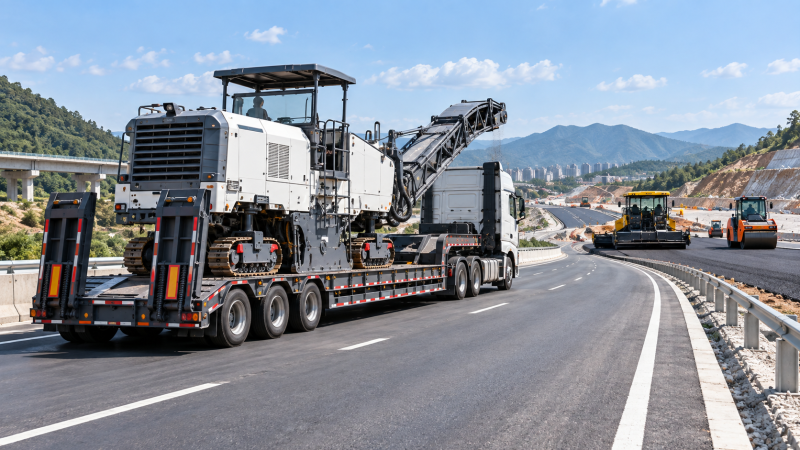
Can road construction equipment be shared across multiple project sites? Yes—but only when sharing is treated as an operating system rather than a simple dispatch decision. A paver, motor grader, roller, recycler, milling machine, or mobile plant can serve more than one job and reduce idle fleet time. Yet the apparent savings can disappear quickly when transport, mobilization, maintenance, operator availability, and schedule risk are underestimated.
For a contractor with two resurfacing packages, a highway widening job, and a municipal rehabilitation contract running at the same time, the question is rarely whether a machine can move. The more important question is whether moving it protects or disrupts the critical path of every project involved. Shared equipment works best when project managers, fleet teams, and site supervisors make that decision from the same live picture of production needs.
In roadbuilding, a machine standing still is expensive. A machine arriving late can be even more expensive, especially when it delays asphalt delivery, traffic-control windows, subcontractors, or a tightly sequenced paving train.
The short answer: share the right machines, not every machine
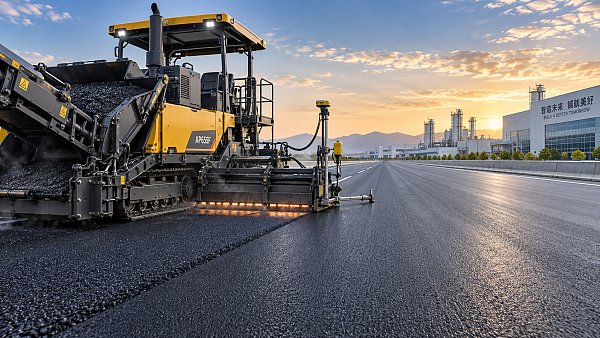
Road construction equipment is often suitable for cross-site deployment, particularly high-value or specialized assets that would otherwise sit idle for long periods. Examples include cold recyclers, soil stabilizers, asphalt milling machines, large pavers, intelligent compaction rollers, crushers, screening plants, and specialized survey or quality-control systems.
However, core production equipment that is continuously needed on a major project may be a poor candidate for sharing. If one site requires a paver and a full roller fleet every day for several weeks, removing even one key unit can interrupt the paving rhythm. The cost of lost production, remobilizing crews, or missing a lane-closure window may outweigh any benefit gained at the second project.
A practical rule is simple: share equipment when its available operating window is larger than the travel, setup, inspection, and contingency time needed to move it. If that margin is thin, the fleet is not truly available.
Which road machines are easiest to share?
The best candidates tend to be machines with high capital cost, intermittent demand, and relatively manageable mobilization requirements. A road profiler, stabilizer, or specialty roller may be needed only during a defined phase of work. Once that phase is complete, transferring the asset can make financial and operational sense.
- Often suitable for sharing: milling machines, reclaimers, stabilizers, specialized compactors, mobile crushing and screening units, road-marking equipment, material testing units, and certain GPS or machine-control packages.
- Conditionally suitable: asphalt pavers, large graders, excavators, wheel loaders, water trucks, and standard rollers. These can move between sites when production windows do not overlap.
- Usually difficult to share during peak work: equipment embedded in a continuous paving or earthwork spread, standby plant needed for contractual resilience, and machines with dedicated attachments or highly site-specific configurations.
The same model of machine can fall into different categories depending on the project. A 20-ton excavator may be easily redeployed from a short drainage package, but indispensable on a mountain-road project where it supports daily rock removal, culvert work, and slope protection.
Can road construction equipment be shared across multiple project sites without harming productivity?
It can, provided the contractor plans around production dependencies rather than calendar dates alone. A schedule might show that a roller is “free” on Thursday. In reality, rain on Tuesday, an aggregate delivery delay on Wednesday, or a failed density test can extend its need into the following week. Road work is exposed to variables that office schedules do not always capture.
That is why fleet sharing should be based on a rolling forecast. Site teams should update expected machine release dates using actual quantities completed, weather outlooks, material supply status, traffic restrictions, and pending inspections. The fleet coordinator then assigns equipment based on confidence levels, not assumptions.
A useful approach is to define three availability states:
- Committed: the machine is required for active production and cannot be reassigned.
- Provisional: the machine may be released, but only after a defined workfront, inspection, or milestone is completed.
- Available: the equipment has completed work, passed handover inspection, and has a confirmed transport window.
This distinction sounds administrative, but it prevents a common conflict: one project team books a machine that another team still considers operationally essential.
Transport is not a minor line item
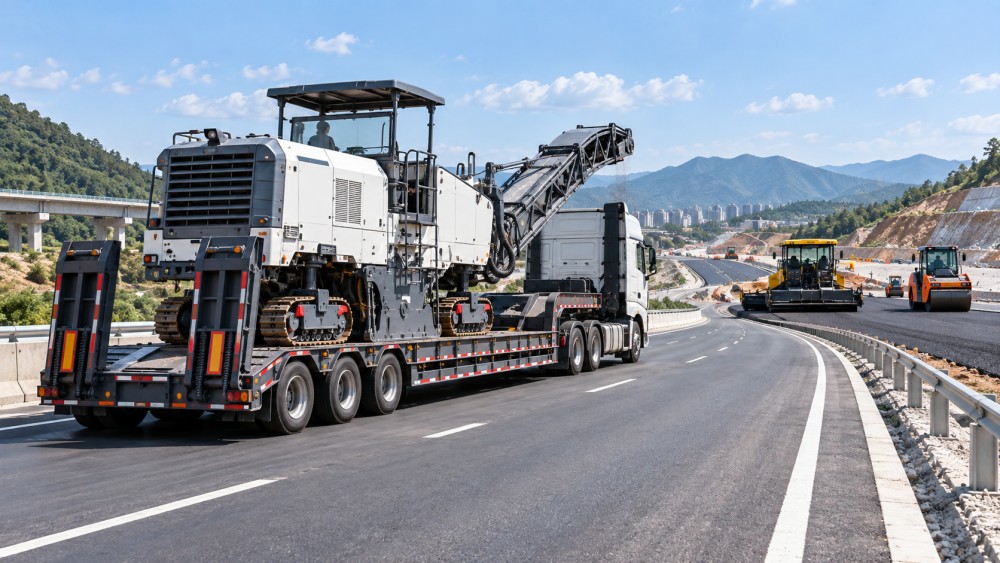
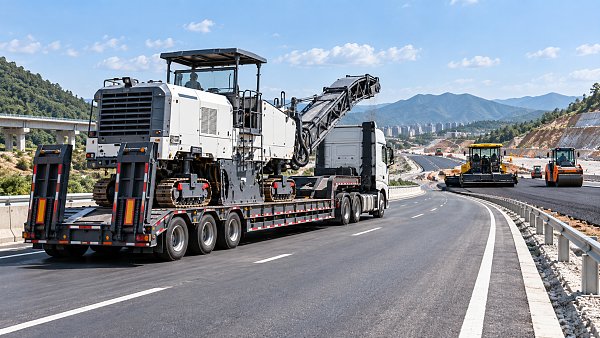
Moving large road equipment can involve low-bed trailers, permits, route surveys, escort requirements, loading ramps, dismantling of attachments, and carefully timed delivery. For crawler-mounted or wide machines, local bridge limits, road geometry, and regional permit rules may dictate the route. A short distance on a map may still represent a full day of logistics.
Contractors should calculate total transfer time from the machine’s last productive pass at Site A to its first productive pass at Site B. That interval includes cleaning, fluid checks, maintenance, loading, transport, unloading, calibration, setup, operator familiarization, and any site induction requirements.
Ignoring this “non-productive transfer chain” is one of the fastest ways to overstate the benefit of a shared fleet. A machine that travels twice a week may accumulate more disruption than a rented local unit would have caused.
When does equipment sharing stop making commercial sense?
There is no universal distance limit or hourly threshold. The decision depends on machine value, rental alternatives, utilization, project urgency, and logistics complexity. Still, sharing becomes questionable when repeated transfers create excessive haulage cost, frequent setup losses, accelerated wear, or unresolved accountability for damage and downtime.
It is also risky when the second project relies on the shared machine to meet a contractual completion date. In that case, a delayed release from the first project becomes a project-wide exposure, not just a fleet issue.
Maintenance coordination is the real test of fleet maturity
A shared machine should never be handed from one site to another with only a fuel-level check and a verbal update. Every transfer is a maintenance event. Dust, asphalt residue, vibration, moisture, and varying ground conditions all affect reliability. If a roller or paver arrives at the next site with an unresolved fault, the receiving project inherits both downtime and an argument about responsibility.
Before dispatch, the machine should receive a documented handover inspection. This typically covers operating hours, fault codes, hydraulic leaks, undercarriage or tire condition, cutting tools, conveyor or screed components, lubrication, safety systems, telematics status, and required attachments. The outgoing site records known defects; the receiving site confirms acceptance.
For specialized road machinery, the maintenance team should also look ahead. A machine due for scheduled service after 30 operating hours should not be dispatched to a remote project expected to run a 40-hour weekend shift with no service support nearby. It may be smarter to service it before transport, even if that slightly delays redeployment.
Operators cannot always be shared as easily as machines
Some contractors focus on relocating the asset while assuming any available operator can run it. That is rarely wise for advanced pavers, graders with 3D control, stabilizers, or machines integrated into a synchronized production line. Operator skill directly affects grade accuracy, compaction consistency, fuel consumption, material waste, safety, and machine wear.
Where possible, move a qualified operator or lead technician with the machine during the first shift at the new site. This is especially valuable when the equipment uses different mix designs, working widths, automated guidance systems, or job-specific compaction targets. A brief transition period can avoid several days of poor output and rework.
Contractors should also confirm working-hour rules, local certifications, accommodation needs, and fatigue exposure when operators travel between distant jobs. The machine may be ready to move, while the human resource plan is not.
A shared fleet needs clear priority rules
Disputes emerge when every project manager believes their job is urgent. A central fleet policy should establish who decides when priorities collide. The answer should not depend solely on who calls first or who has the loudest deadline.
Priority can be assessed through a combination of contractual milestones, penalty exposure, traffic-management commitments, crew and material dependency, safety implications, machine utilization, and the cost of alternatives. A site with a one-night highway closure, for example, may deserve temporary priority over a site with flexible daytime access—even if the latter requested the machine earlier.
The decision should be transparent. When teams understand why an asset is being reassigned, they can adjust crews, material orders, and workfronts with less friction. Hidden reallocations create mistrust and encourage managers to hoard equipment “just in case.”
Digital visibility makes multi-site sharing more realistic
Telematics, fleet-management platforms, and machine-control data have changed how contractors can manage dispersed road equipment. Instead of relying on weekly phone updates, fleet teams can monitor location, operating hours, idle time, fuel use, fault notifications, and maintenance intervals. Combined with short-interval production reporting, this data provides a more credible basis for redeployment decisions.
For road contractors working across regions, the objective is not simply to see where a machine is. It is to understand whether the machine is producing, waiting for trucks, paused by weather, due for service, or truly available. Those conditions are very different operationally.
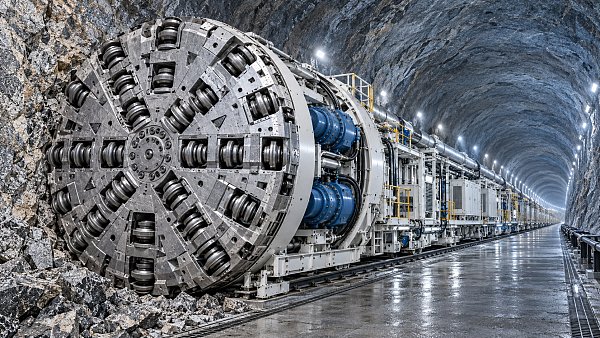
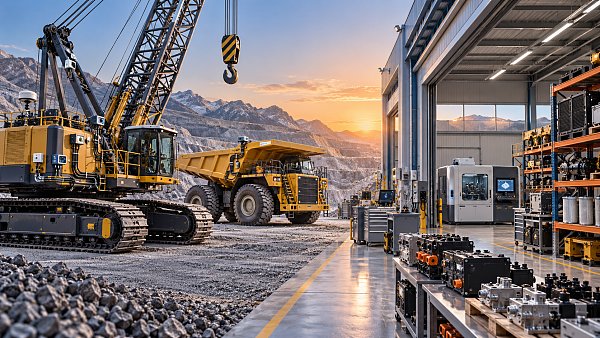
At TF-Strategy, the wider heavy-equipment landscape shows the same pattern across paving fleets, mining haulage systems, crawler cranes, and tunnel boring operations: utilization improves when physical machine data is connected to project methodology and logistics constraints. The asset itself matters, but the surrounding system determines whether it delivers value.
Common mistakes that make shared equipment programs fail
- Planning only for machine hours: transport, setup, inspections, and calibration are treated as invisible time.
- Sharing without a buffer: one weather delay at Site A immediately disrupts Site B.
- Using incomplete handover records: defects become difficult to trace and maintenance accountability breaks down.
- Overlooking attachments and consumables: the base machine arrives, but the required screed extension, cutting teeth, GPS receiver, or water system does not.
- Measuring utilization without measuring output: a machine can show high operating hours while producing poor-quality work or excessive rework.
- Neglecting local support: a remote site may lack parts availability, qualified technicians, or appropriate fuel and lubrication supply.
How to decide before moving a machine
Before approving a transfer, ask five grounded questions: Is the machine genuinely released from its current production obligation? Can it reach the next site, be prepared, and begin useful work within the required window? Does the receiving site have a trained operator, correct attachments, and maintenance support? What happens if weather or quality issues extend the first project? And is the cost of moving it lower than renting, subcontracting, or rescheduling work locally?
If the answers are clear, sharing can reduce idle time and spread capital cost across a broader project portfolio. If several answers remain uncertain, a dedicated machine, short-term rental, or revised sequence may be the safer decision.
FAQ
Is it better to own one shared machine or rent equipment for each road project?
Ownership may suit equipment with predictable demand across multiple projects and a capable internal maintenance network. Rental can be preferable for short-duration needs, remote sites, seasonal peaks, or equipment that is expensive to transport repeatedly. The right comparison includes total cost of ownership, haulage, downtime risk, rental availability, and project schedule exposure—not purchase price alone.
How much schedule buffer should be allowed when sharing road machinery?
The appropriate buffer depends on weather sensitivity, distance, permit requirements, machine complexity, and the importance of the receiving project’s work window. Rather than applying one fixed number, contractors should allow enough time to absorb likely delays in release, transport, inspection, and setup. Critical paving operations generally need more protection than flexible ancillary work.
Can a contractor share equipment between urban and remote road sites?
Yes, but remote deployment needs more preparation. Confirm transport routes, fuel supply, technician access, spare parts, communications coverage, and recovery arrangements before dispatch. A breakdown that is routine near a depot can become a serious schedule event in a distant or high-altitude location.
What is the most important control for multi-site equipment sharing?
A single, trusted fleet availability record is essential. It should show current location, operating status, planned release date, maintenance condition, transport requirements, attachments, and assigned operator. Without this shared view, fleet allocation becomes reactive and project teams often plan around equipment that is not actually ready.
Sharing road construction equipment is not about making one fleet do the impossible. It is about moving the right asset at the right moment, with enough operational slack to protect both projects. When that discipline is in place, multi-site sharing can turn a fragmented equipment pool into a more resilient construction resource.
Related News
 Oct 05, 2026Tunneling Equipment Specification Planning: Key Criteria for Ground and Project RisksEquipment specification planning tunneling: learn how to match TBM systems to ground risks, geometry, safety, logistics, and lifecycle cost for more reliable project delivery.
 Oct 04, 2026Nuclear Lifting Equipment Cost: Budgeting for Compliance, Testing, and Lifecycle RiskNuclear lifting equipment cost explained: budget for compliance, proof-load testing, installation, documentation, and lifecycle risk to make confident procurement decisions.
 Oct 03, 2026How to Assess TBM Manufacturers for Hard-Rock Tunneling Projects?Choose the right tunnel boring machine manufacturer for hard-rock projects. Explore key criteria for design, lifecycle cost, factory quality, and service support.
 Oct 02, 2026How to Evaluate Heavy Equipment Technology Suppliers for Fleet Uptime and SupportHeavy equipment technology suppliers can make or break fleet uptime. Learn how to assess diagnostics, data access, parts, service coverage, and support terms before you buy.
Pavement Process Engineer
Weekly Insights
Stay ahead with our curated technology reports delivered every Monday.