
Large road machinery is smarter, but is it easier to run?
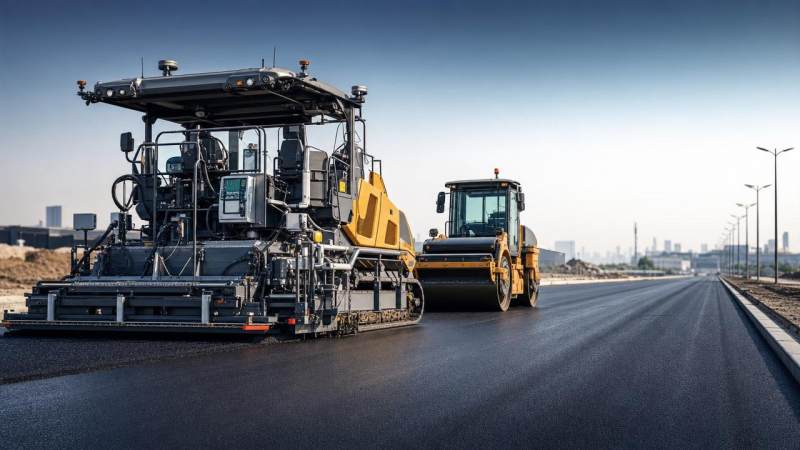
Large road machinery is becoming more intelligent through automation, sensors, telematics, and assisted control. Yet smarter equipment does not automatically mean simpler operation. On modern road projects, the real change is different. Intelligence shifts operator effort from pure manual control toward monitoring, adjustment, coordination, and data-based decision-making. That shift can improve paving quality, reduce mistakes, and strengthen safety, but it also creates new demands for training, system understanding, and site discipline.
Across the broader heavy equipment landscape, this question matters beyond roadworks. As TF-Strategy observes in global infrastructure intelligence, machine capability now links directly with construction methodology, energy efficiency, and project risk control. In that context, large road machinery is not just bigger equipment. It is a connected production platform shaping highway precision, cost predictability, and long-term asset performance.
What large road machinery means in today’s operating environment
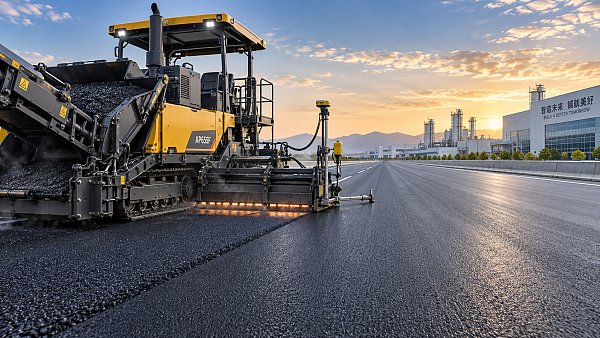
Large road machinery usually includes asphalt pavers, milling machines, motor graders, soil stabilizers, cold recyclers, rollers, and supporting material transfer systems. These machines are central to high-volume paving, rehabilitation, and base preparation.
In earlier generations, performance depended heavily on operator feel, visual judgment, and mechanical experience. Today, many machines include grade control, automated screed adjustments, compaction measurement, engine diagnostics, and real-time production tracking.
That evolution has changed the meaning of “easy to run.” It no longer refers only to steering, throttle response, or lever layout. It also includes interface clarity, alarm quality, automation reliability, and how well the machine supports consistent output under pressure.
Core intelligence features now common in large road machinery
- Automatic grade and slope control for paving accuracy
- Sensor-based compaction guidance and pass mapping
- Telematics for fuel, idle time, location, and maintenance data
- Engine and hydraulic system self-diagnostics
- Camera systems and proximity alerts for safer movement
- Human-machine interfaces with preset work modes
Why smarter large road machinery does not always feel easier
Automation removes some repetitive corrections, but it can increase cognitive load. Operators may touch fewer controls, yet they monitor more variables. They must trust sensors, understand modes, and react correctly when data conflicts with site reality.
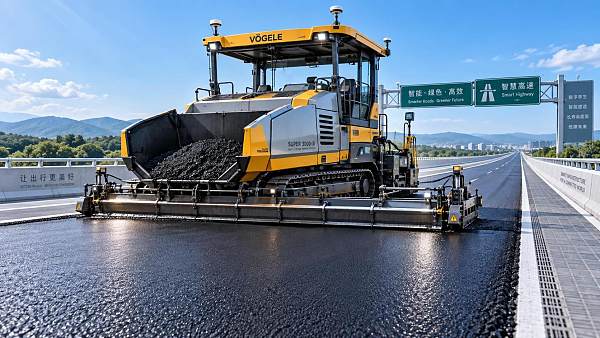
For example, a paver with automated screed control can hold thickness more steadily than manual adjustment. However, poor material consistency, incorrect setup, or sensor contamination can still create defects. The machine becomes more capable, but only if operating conditions remain controlled.
This is why many crews describe smart large road machinery as easier to run physically, but harder to master professionally. The difference is important for schedules, handover quality, and total cost of ownership.
Three main reasons complexity still exists
- Site conditions remain unpredictable, including weather, subgrade variation, and material temperature.
- Digital systems require calibration, interpretation, and disciplined maintenance.
- Team coordination matters more because machine data must match truck flow, plant output, and rolling sequence.
Current industry signals shaping operation decisions
The road construction sector is under pressure to deliver smoother surfaces, lower emissions, tighter tolerances, and faster completion. These demands are accelerating adoption of intelligent large road machinery across both mature and developing markets.
These signals show why smart large road machinery is expanding. The goal is not novelty. The goal is repeatable production under stricter project economics.
Operational value of intelligent systems on road projects
When configured properly, intelligent functions bring measurable value to road construction. They support quality, speed, and machine health at the same time. This is especially useful on long corridor jobs and high-traffic rehabilitation windows.
Where value appears most clearly
- Smoother paving from stable screed control and better material continuity
- Improved compaction consistency through guided rolling patterns
- Lower fuel waste through idle tracking and power mode optimization
- Faster troubleshooting from onboard diagnostics and service alerts
- Better reporting for quality verification and project documentation
In practice, the best-performing fleets treat large road machinery as part of an integrated workflow. Machines, materials, survey inputs, and site communication all need alignment. Smart equipment works best inside a smart process.
That broader systems view also explains why sector intelligence matters. Platforms tracking equipment evolution, project methods, and performance logic can support stronger field decisions. One reference point may include 无 when comparing how digital features influence output and lifecycle efficiency.
Typical operating scenarios for large road machinery
Different project environments place different demands on operators and machine systems. Smart features help, but their value changes by application type.
In every case, large road machinery performs best when crews understand both the machine logic and the job logic. A smart screen cannot fix poor truck timing or unstable base conditions.
Practical guidance for running smarter machines well
The easiest way to improve results is not to activate every feature immediately. It is better to build stable routines around setup, calibration, and communication. Smart functions should reduce uncertainty, not create it.
Recommended practices
- Standardize pre-shift checks for sensors, cameras, cables, and hydraulic response.
- Train around job scenarios, not only button functions and menu navigation.
- Use data review after each shift to compare machine output with surface results.
- Keep manual fallback skills strong in case automation becomes unreliable.
- Coordinate machine settings with material supply, rolling plan, and weather forecast.
Another practical point is interface simplicity. Machines with too many alerts or unclear menus may slow response during critical moments. Ease of operation depends as much on software design as hardware power.
Where digital adoption is still early, it can be useful to study comparative equipment intelligence and construction insights through sources such as 无. The value comes from connecting machine parameters with real construction outcomes.
A balanced conclusion on whether large road machinery is easier to run
The short answer is yes and no. Smart large road machinery is easier to run in terms of physical control, consistency support, and visibility into machine condition. It is not automatically easier in terms of judgment, setup accuracy, and cross-team coordination.
The most important shift is this: operating skill is expanding from manual technique to system intelligence. Successful use of large road machinery now depends on reading data, managing process stability, and knowing when to trust automation.
For road construction strategies focused on quality, cost control, and safer delivery, the next step is clear. Evaluate which intelligent functions truly match site conditions, define training around real workflows, and treat machine data as part of production management. That is how smarter large road machinery becomes genuinely easier to run.
Related News
 Sep 29, 2026Infrastructure Construction Standards: A Project Manager’s Guide to ComplianceInfrastructure construction standards guide for project managers: turn requirements into field controls, hold points, traceability, and compliant delivery.
 Sep 28, 2026How to Specify Custom Mining Equipment for Abrasive Ground and High-Load HaulageCustom mining equipment for abrasive ground and high-load haulage: learn how to optimize payload, wear protection, powertrains, uptime, and lifecycle cost for safer, reliable production.
 Sep 29, 2026What belongs in a construction equipment package sourcing plan?Construction equipment package planning sourcing guide: learn how to match machines, attachments, site conditions, supplier support, costs, and acceptance gates for reliable project delivery.
 Sep 29, 2026How to verify equipment durability before approving suppliers at scaleHow can heavy equipment manufacturers verify durability and manage supplier risk at scale? Explore practical testing, traceability, audits, and control strategies.
Pavement Process Engineer
Weekly Insights
Stay ahead with our curated technology reports delivered every Monday.