
Heavy Equipment Specification Standards Explained: Key Ratings and Compliance Checks
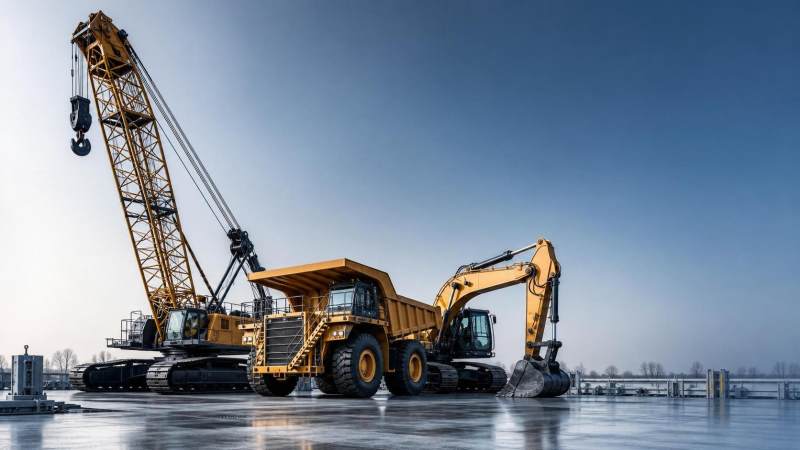
Why do heavy equipment specification standards matter beyond the datasheet?
Heavy equipment specification standards are not just technical labels. They are the baseline for verifying whether a machine can perform safely, consistently, and legally on site.
In practical terms, these standards connect rated capacity, structural limits, hydraulic output, braking performance, emissions, and electrical safety with real operating conditions.
That matters even more in sectors such as tunneling, open-pit mining, road construction, and ultra-heavy lifting, where load variation and downtime costs are severe.
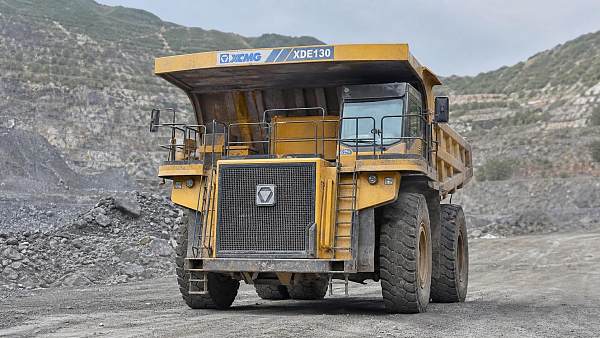
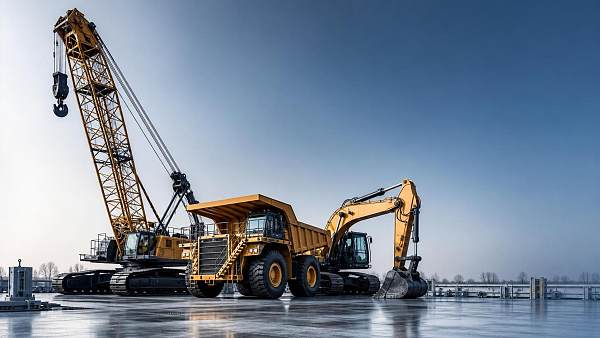
A crawler crane may meet a lifting figure on paper, yet fail the intended duty cycle under wind, slope, or radius changes. A mining dump truck may list payload capacity, but axle load compliance tells a different story.
This is why heavy equipment specification standards should be read as a system, not as isolated numbers.
Across the intelligence coverage of TF-Strategy, this systems view is central. Machine parameters only become useful when linked to construction methods, project constraints, and compliance expectations.
When reviewing a TBM, excavator, road machine, or dump truck, the key question is simple: do the declared ratings reflect the machine’s real operating envelope?
Which ratings deserve the closest attention when checking compliance?
Not every rating has the same compliance value. Some figures are commercial highlights. Others are decision-critical because they affect safety, design acceptance, and insurance exposure.
The more reliable approach is to separate headline specifications from control specifications.
The ratings that usually drive acceptance
- Rated load or payload under defined conditions.
- Operating weight, axle load, and ground bearing pressure.
- Engine power, torque curve, and power derating at altitude.
- Hydraulic pressure, flow rate, and combined circuit stability.
- Braking distance, retarder capacity, and stopping performance on grade.
- Structural fatigue life, weld class, and frame integrity.
- Noise, emissions, insulation, and functional safety ratings.
For TBMs, cutterhead torque, thrust force, installed power, segment handling limits, and sealing system ratings often deserve deeper checking than nominal diameter alone.
For large excavators, breakout force and bucket volume matter, but undercarriage durability and hydraulic thermal stability may decide long-run reliability.
For road machinery, paving width is rarely enough. Screed stability, compaction pass capability, and leveling precision often reveal whether the machine fits contract tolerance requirements.
This kind of review makes heavy equipment specification standards far more useful than a brochure comparison.
How can you tell whether a quoted standard is actually relevant?
A common mistake is assuming that any reference to ISO, EN, ANSI, CE, or local codes proves full compliance. It does not.
Some documents only confirm that a machine was designed with reference to a standard. Others confirm third-party testing, certification scope, or market access requirements.
The useful question is narrower: which specific performance claim is covered, and under what test method?
What should be checked in the documentation set?
- Standard number, revision year, and application scope.
- Type test report versus self-declaration.
- Conditions of testing, including load, slope, temperature, and altitude.
- Configuration tested, including attachments and counterweight.
- Any exclusions, derating rules, or operator assumptions.
- Traceability between serial number, certificate, and delivered unit.
In cross-border projects, this becomes even more important. A machine accepted in one jurisdiction may still need additional verification for another project, especially for emissions, electrical systems, or lifting operations.
TF-Strategy often tracks this issue through project tenders and market intelligence. The same machine model can face different compliance thresholds depending on region, geology, haul conditions, and infrastructure risk class.
Why do specification mismatches happen between paper and field performance?
Because heavy equipment specification standards usually describe controlled conditions. Real projects rarely stay controlled for long.
A nominal figure may be correct, yet still misleading when attachment changes, operator practice, duty cycle intensity, or environmental conditions shift the operating window.
This is especially visible in mining dump trucks working at altitude, where engine derating, brake temperature, and haul-road resistance reduce practical output.
The same pattern appears in tunnel boring. Cutterhead wear, geology variation, and slurry handling can alter thrust demand far beyond a clean reference case.
Frequent mismatch triggers
- Optional attachments change weight and center of gravity.
- Duty cycles exceed the thermal assumptions of the test setup.
- Ground conditions differ from nominal support values.
- Maintenance intervals are extended under production pressure.
- Software or remote-control systems alter response behavior.
More often than not, the issue is not false data. It is incomplete interpretation of heavy equipment specification standards at the planning stage.
What is the best way to compare machines without oversimplifying the standards?
Start with the job envelope, not the model list. A valid comparison should ask which conditions matter most, then align every machine against those same conditions.
For example, two crawler cranes may share similar maximum capacity, but one may retain a safer load chart at long radius or under partial counterweight logistics constraints.
Likewise, two large excavators may show similar bucket size, while one delivers better fuel efficiency and lower undercarriage wear in abrasive overburden.
A practical comparison sequence
- Define the mission profile, including terrain, cycle time, payload, and climate.
- List the governing standards and local acceptance requirements.
- Normalize ratings to the same configuration and test assumptions.
- Review failure-sensitive items such as brakes, frames, controls, and thermal limits.
- Check lifecycle evidence, not just factory declarations.
This is where intelligence-led assessment helps. By combining field reports, technology trends, and compliance signals, heavy equipment specification standards become decision tools rather than filing requirements.
What should be on the final compliance checklist before approval?
Before signing off, the review should move from ratings to proof. The goal is to confirm that the delivered machine matches the documented machine and the project conditions.
- Confirm serial number traceability across certificates and inspection records.
- Verify load charts, operating manuals, and safety labels match the delivered configuration.
- Review commissioning tests for alarms, brakes, steering, interlocks, and emergency stops.
- Check whether local project rules require witness testing or third-party validation.
- Record any derating rules for altitude, temperature, attachments, or duty cycle intensity.
- Compare specification claims with early operating data after deployment.
That last step is often skipped, yet it is one of the most useful. Early operating data can reveal whether heavy equipment specification standards are translating into stable field performance.
For organizations following global infrastructure trends through sources like TF-Strategy, this feedback loop is increasingly important. Machines are becoming more digital, more electrified, and more dependent on software-defined controls.
As a result, compliance review is no longer limited to metal, hydraulics, and engine output. It also involves control logic, data integrity, and operational consistency.
Where should the next review start?
Begin with the equipment category that carries the highest consequence of failure or mismatch. Then map its critical ratings, governing standards, and field conditions side by side.
That process usually exposes the real gaps quickly. Sometimes the missing piece is a test report. Sometimes it is a derating note hidden in the manual. Sometimes it is a mismatch between contract assumptions and machine configuration.
Heavy equipment specification standards are most useful when treated as a living verification framework. They help reduce risk, support safer deployment, and improve confidence in long-term asset performance.
The next practical step is to build a project-specific review sheet, align every key rating with its evidence source, and compare that against the intended operating envelope before final acceptance.
Related News
 Oct 04, 2026Nuclear Lifting Equipment Cost: Budgeting for Compliance, Testing, and Lifecycle RiskNuclear lifting equipment cost explained: budget for compliance, proof-load testing, installation, documentation, and lifecycle risk to make confident procurement decisions.
 Oct 03, 2026How to Assess TBM Manufacturers for Hard-Rock Tunneling Projects?Choose the right tunnel boring machine manufacturer for hard-rock projects. Explore key criteria for design, lifecycle cost, factory quality, and service support.
 Oct 02, 2026How to Evaluate Heavy Equipment Technology Suppliers for Fleet Uptime and SupportHeavy equipment technology suppliers can make or break fleet uptime. Learn how to assess diagnostics, data access, parts, service coverage, and support terms before you buy.
 Oct 01, 2026How to Use Technical References to Benchmark Industrial Equipment PricesIndustrial equipment technical reference pricing: learn how to normalize specifications, scope, service life, and operating costs to benchmark quotes accurately and choose the best-value equipment.

Heavy Haulage Strategist
Weekly Insights
Stay ahead with our curated technology reports delivered every Monday.