
What Drives TBM Cutter Head Material Cost and Life-Cycle Value?

What Drives TBM Cutter Head Material Cost and Life-Cycle Value?
For procurement teams evaluating tunnel boring machine components, cutter head material cost is only the starting point of a much larger commercial decision.
Long-term value depends on alloy selection, structural design, expected geology, wear behavior, maintenance intervals, replacement logistics, and the financial consequences of unplanned downtime.
A lower purchase price can become expensive when premature wear delays excavation, increases interventions, damages cutter mounts, or requires urgent international spare-part transport.
For buyers, the practical objective is not to source the cheapest cutter head material, but to select a configuration delivering the lowest verified life-cycle cost.
Search Intent: What Procurement Teams Need to Evaluate
Buyers searching for cutter head material cost usually want to understand why quotations vary widely and whether premium materials create measurable project value.
They also need a defensible way to compare supplier offers beyond unit price, particularly when TBM availability affects tunnel schedules, contractual milestones, and liquidated damages.
The central procurement question is straightforward: which material specification provides adequate operating life at the lowest total cost for the planned ground conditions?
Answering that question requires engineering evidence, commercial discipline, and clear agreement between procurement teams, TBM operators, geology specialists, and project management.
Generic claims about “high wear resistance” are insufficient. Buyers need to know how hardness, toughness, weldability, thickness, and repairability affect real operating economics.
They should also distinguish cutter head body materials from replaceable wear plates, cutter housings, cutter discs, buckets, scrapers, and peripheral protection systems.
Why Cutter Head Material Cost Varies So Widely
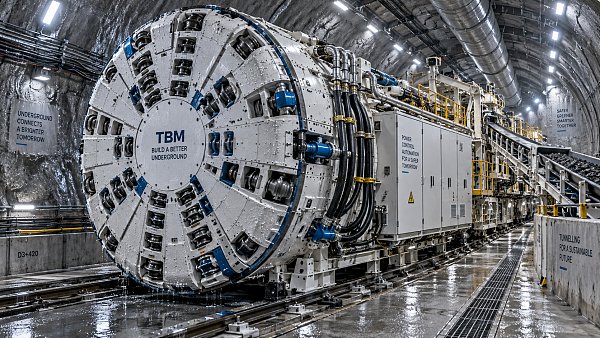
Cutter head material cost changes because a cutter head is not a single commodity product. It is a fabricated structural system with different performance zones.
The main structure typically requires high-strength steel capable of carrying torque, thrust loads, bending forces, cutter reactions, and cyclic fatigue stresses during excavation.
High-abrasion zones may use wear-resistant plate, hardfacing, carbide-enhanced protection, replaceable wear blocks, or specially engineered alloys with different hardness ranges.
Materials with higher nominal hardness often cost more, but hardness alone does not determine value. Excessive brittleness can create cracking risks under impact loading.
A cutter head operating through mixed ground encounters repeated shocks, changing loads, and eccentric forces that can expose weaknesses in unsuitable material combinations.
Therefore, a quotation should identify the steel grade, plate thickness, heat-treatment condition, hardness range, welding procedure, and intended wear-protection system.
Without this detail, comparing cutter head material cost between suppliers becomes misleading because two apparently similar offers may have very different service capabilities.
Fabrication complexity also matters. Large-diameter cutter heads require controlled welding, dimensional accuracy, stress management, machining, inspection, and sometimes special transport arrangements.
Costs rise further when the design includes large openings, complex spoke geometry, pressurized-face provisions, high cutter counts, or specialized intervention access systems.
Material Selection Must Follow Ground Conditions
The correct material choice starts with geology, not supplier preference. Ground abrasivity, strength, blockiness, water pressure, and mixed-face conditions drive wear mechanisms.
In abrasive quartz-rich rock, wear protection and cutter housing durability may become more important than a marginal reduction in initial fabrication expense.
In fractured rock, impact resistance and structural toughness can be decisive because sudden load changes may cause cracking around cutter mounts or weld interfaces.
Soft ground applications present different concerns. Clay, sticky soils, boulders, groundwater, and conditioning agents can influence clogging, corrosion, and material loss.
Mixed-ground drives are especially demanding because the cutter head must handle both abrasive hard zones and weaker materials with changing penetration behavior.
Procurement specifications should require geological design assumptions, including UCS ranges, Cerchar abrasivity values, quartz content, groundwater conditions, and expected variability along the alignment.
Where borehole information is incomplete, buyers should recognize the uncertainty explicitly rather than purchasing a minimally specified cutter head based on average conditions.
A risk allowance in material selection can be commercially rational when the cost of cutter head repair or replacement exceeds the initial premium.
Evaluate the Full System, Not Only the Base Steel
A cutter head’s life-cycle value depends on the interaction between structural steel, wear components, cutter housings, cutting tools, and maintenance accessibility.
The base material provides the structural foundation, but replaceable elements often determine whether wear can be managed efficiently during a long tunnel drive.
For example, replaceable wear plates may increase initial cutter head material cost while reducing repair duration and avoiding extensive welding inside restricted work areas.
Similarly, robust cutter housings can protect the main structure from damage when disc cutters experience high loads, bearing failures, or uneven face conditions.
Buyers should ask whether wear components are standardized, stocked locally, interchangeable, and removable without major disassembly or specialized lifting equipment.
Accessibility has financial value. A component that lasts slightly longer but takes significantly more time to inspect or replace may increase total intervention cost.
Designs should also be reviewed for trapped material, difficult cleaning areas, inspection visibility, and the ability to complete repairs under actual tunnel-site constraints.
Procurement teams should request a component-level bill of materials that identifies consumable, repairable, and long-life elements instead of accepting a single cutter head description.
How Material Choices Affect Downtime and Schedule Risk
TBM downtime is usually more expensive than the difference between two material quotations. Lost production can affect labor, plant utilization, subcontractors, and project milestones.
When cutter head wear becomes excessive, the contractor may need to reduce penetration rates, conduct frequent inspections, or schedule planned intervention windows.
Unplanned intervention is more damaging because it often occurs after performance deterioration, when spare parts, tools, personnel, and access arrangements are not ready.
In pressurized or difficult ground, intervention can require complex safety procedures, compressed-air work, hyperbaric resources, or costly ground stabilization measures.
A durable material system reduces the probability of structural damage, but it cannot eliminate wear. The commercial objective is predictable, manageable degradation.
Predictable wear allows project teams to plan inventory, labor, access, and maintenance windows around production requirements instead of responding under schedule pressure.
When evaluating cutter head material cost, procurement should model the expected financial effect of each additional day of downtime, including indirect project consequences.
This calculation often shows that a modest material premium is justified when it avoids one major repair event or protects several days of advance.
Build a Life-Cycle Cost Model Before Comparing Quotes
A credible purchasing decision needs a life-cycle cost model that converts technical differences into comparable commercial outcomes across the expected operating period.
The model should begin with acquisition cost, including cutter head fabrication, engineering, factory acceptance testing, transport, insurance, installation support, and commissioning requirements.
Next, include planned wear-part consumption, expected cutter replacement rates, welding repairs, inspection labor, specialized tooling, and spare-part inventory carrying costs.
Then estimate unplanned costs, including emergency freight, accelerated fabrication, lost advance, standby equipment, contractor claims, and potential schedule-related penalties.
Different suppliers should be assessed using the same geology assumptions, operating hours, penetration targets, cutter-change intervals, and planned maintenance strategy.
If a supplier uses more favorable geological assumptions to demonstrate lower cost, the comparison should be normalized before commercial recommendations are made.
Buyers should request sensitivity analysis for severe abrasion, harder rock bands, higher groundwater ingress, increased boulder frequency, and longer-than-planned drive duration.
The winning offer is not automatically the one with the longest claimed life. It is the option with the most favorable risk-adjusted cost outcome.
Documenting this analysis also helps procurement teams explain their recommendation to finance leaders, project directors, and stakeholders focused primarily on initial capital expenditure.
Supplier Evidence That Should Influence the Buying Decision
Suppliers should support material claims with evidence relevant to the proposed application, not broad marketing references from unrelated machine sizes or geological conditions.
Useful evidence includes material certificates, hardness reports, chemical composition data, welding qualifications, non-destructive testing records, and manufacturing quality-control procedures.
Reference projects are valuable when they provide tunnel diameter, rock properties, advance length, cutter consumption, maintenance history, and documented cutter head repairs.
Buyers should ask whether the proposed configuration has operated in comparable abrasive, mixed-face, high-pressure, or fractured-ground environments with similar loading profiles.
Factory visits or third-party inspections can be justified for high-value projects, particularly where fabrication quality and weld integrity significantly affect operational reliability.
Commercial references should also be checked. A technically capable supplier that cannot provide responsive field service or spare parts creates avoidable execution risk.
Service commitments should specify response times, engineering support availability, stock locations, warranty boundaries, and responsibility for failures linked to manufacturing defects.
Where performance guarantees are offered, procurement should examine definitions carefully. Guaranteed life is meaningful only when operating conditions, exclusions, and remedies are clearly defined.
Questions Procurement Should Ask Before Award
First, ask which cutter head zones receive premium material treatment and why. The answer should connect each material decision to a specific wear or load mechanism.
Second, ask how the supplier calculated expected wear life. Require stated assumptions rather than accepting broad estimates based on unspecified historical experience.
Third, ask which repairs can be completed underground and which require major disassembly, workshop work, or specialized procedures outside normal maintenance capability.
Fourth, ask how replacement wear components are priced, stocked, identified, and delivered. Low initial cutter head material cost can conceal expensive proprietary consumables.
Fifth, ask for the recommended spare-parts package based on the drive length, geological risk profile, planned advance rate, and local lead times.
Sixth, ask whether welding repairs will affect structural integrity, hardness, fatigue life, or warranty coverage. Repair procedures need technical approval before field use.
Finally, ask what data will be captured during operation. Wear measurements, cutter performance records, and maintenance reports improve future purchasing decisions considerably.
Balancing Standardization and Project-Specific Design
Standardized cutter head components can reduce price, shorten lead times, simplify spares management, and provide more operating history for procurement evaluation.
However, excessive standardization can be costly when a project has unusual abrasivity, high water pressure, difficult access, or severe mixed-ground conditions.
Project-specific design should focus on genuine risk areas, such as cutter mount reinforcement, peripheral protection, abrasion zones, and maintenance access arrangements.
Custom features should not be accepted simply because they sound advanced. Each added feature needs a defined operating benefit and measurable commercial rationale.
A practical approach is to retain standardized components where proven performance exists while upgrading material or geometry only in critical high-wear zones.
This targeted strategy can control cutter head material cost while improving the parts of the system most likely to influence downtime and repair exposure.
Conclusion: Purchase Reliability, Not Just Steel
For TBM procurement teams, cutter head material cost should be treated as one input within a broader assessment of reliability, maintainability, wear management, and schedule protection.
The most economical solution is rarely identified by comparing steel prices alone. It emerges from matching material performance to verified geological and operational requirements.
Strong procurement decisions combine detailed specifications, comparable supplier evidence, life-cycle cost modeling, repair planning, and clear contractual accountability for critical performance risks.
When buyers evaluate the full operating system, they can justify appropriate material investment, reduce unplanned interventions, and protect the commercial outcome of the tunnel project.
Related News
 Oct 11, 2026What Drives TBM Cutter Head Material Cost and Life-Cycle Value?Cutter head material cost explained: compare TBM alloys, wear protection, downtime risk, and life-cycle value to choose the most reliable, cost-effective solution.
 Oct 11, 2026Payload Management Systems: Preventing Overloads Without Slowing ProductionPayload management helps prevent overloads, protect equipment, and keep production moving. Learn how accurate targets, pass planning, alerts, and calibration improve every load.
 Oct 09, 2026Ultra-Large Excavator Bucket Size: Capacity, Width, and Site Fit ExplainedUltra large excavator bucket size explained: compare capacity, width, payload, truck matching, and site conditions to select a reliable, high-productivity bucket.
 Oct 08, 2026How to Evaluate a Heavy Machinery Information Platform for Project Equipment SourcingHeavy machinery information platform guide: compare equipment fit, source reliability, lifecycle costs, supplier capability, and compliance to make smarter sourcing decisions.


Geological Boring Fellow
Weekly Insights
Stay ahead with our curated technology reports delivered every Monday.