
How Should You Plan Tunneling Machinery Maintenance in Humid Climates?
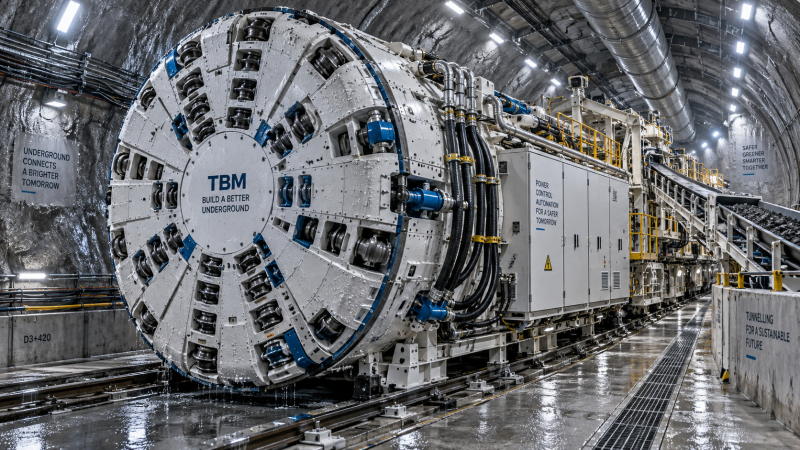
Plan humid-climate maintenance around the places where moisture enters, condenses, remains trapped, or combines with contaminants. A tunnel boring machine can operate in a damp heading without immediate failure, yet corrosion, insulation decline, lubricant degradation, and connector faults often develop quietly before they interrupt production. The maintenance plan should therefore distinguish between surface humidity, direct water exposure, saline or chemically active water, temperature cycling, and the wet slurry or spoil environment around the machine. These conditions do not damage every component in the same way, so a single shortened service interval is rarely enough.
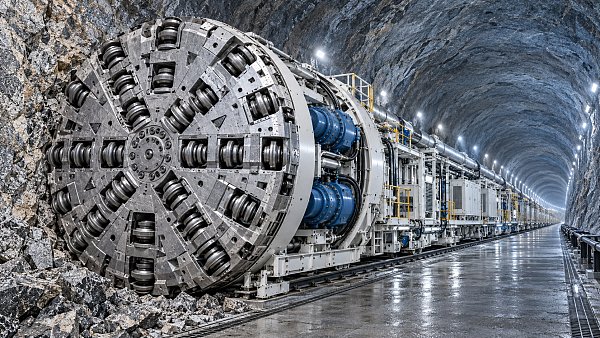
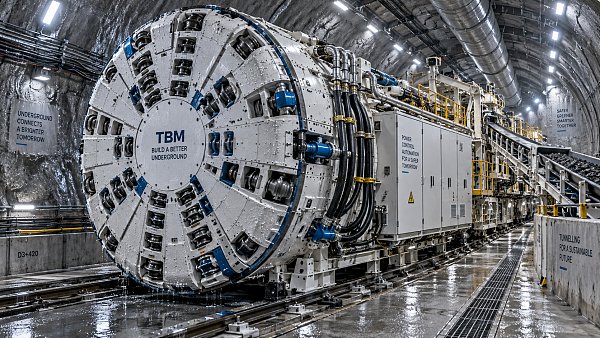
Start by mapping the machine into moisture zones. The cutterhead, shield, screw conveyor, belt transfer points, slurry circuit, segment erector area, hydraulic manifolds, electrical cabinets, trailing gear, and workshop spaces have different exposure mechanisms. A sealed electrical enclosure near the operator cabin faces condensation risk; a hydraulic cylinder near the invert faces abrasive water and damaged rod coatings; a conveyor drive may receive wash-down spray mixed with fines. Recording these zones gives inspections a practical basis instead of treating the whole TBM as equally wet.
Establish the actual moisture profile before setting intervals
Relative humidity alone is an incomplete maintenance trigger. Air at high humidity becomes especially damaging when metal or electrical surfaces fall below the dew point and condensation forms. This frequently occurs during ventilation changes, after a stoppage, when cooler groundwater reaches warmer equipment, or when the machine transitions between different tunnel sections. A cabinet that appears dry during a shift can accumulate moisture overnight inside terminal areas, cable glands, or low points of the enclosure.
Water chemistry matters as much as quantity. Fresh groundwater and process water create one set of risks, while chloride-bearing water, acidic seepage, alkaline grout contact, or water carrying conductive mineral fines can change the speed and type of deterioration. Corrosion products around a connector may look similar in each case, but the corrective action is different. Replacing a connector without addressing contaminated wash water or an ineffective gland seal only repeats the failure.
Build the baseline from site observations and machine history. Include where water is seen, which compartments retain dampness after cleaning, temperature differences between ventilation air and enclosed equipment, drainage performance, and recurring fault locations. Review alarms for insulation resistance, drive trips, communication interruptions, hydraulic oil contamination, bearing temperature variation, and unexplained sensor drift. A fault code is evidence, not a diagnosis: an intermittent encoder signal can arise from condensation in a plug, chafed cable insulation, vibration-loosened pins, or a failing sensor.
Protect electrical systems from moisture migration
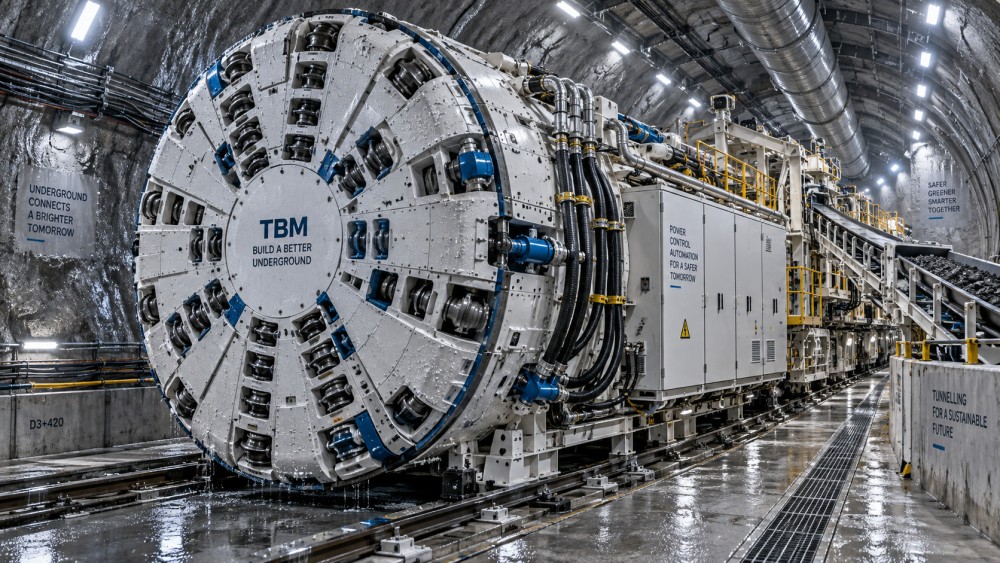
Electrical maintenance should focus on keeping water outside enclosures and preventing any moisture already inside from remaining there. Examine door gaskets, gland plates, cable glands, breather elements, drain points, and unused cable entries. A cabinet may retain its rated enclosure design in theory but lose protection when a gland is oversized, a cable jacket is compressed incorrectly, or an unsealed spare opening is left after a modification.
Do not assume that sealing every opening is the answer. Completely sealed cabinets can trap humid air introduced during service. Where the equipment design allows it, correctly selected breathers, drain arrangements, cabinet heaters, or controlled dehumidification reduce condensation. Their suitability depends on enclosure rating, surrounding dust, wash-down exposure, and the original electrical design. Drain paths must remain clear and must not become an ingress route for slurry, insects, or cleaning water.
Inspection should include more than visual corrosion. Look for water tracks, discolored insulation, green or white deposits on terminals, swollen cable jackets, cracked conduit fittings, and moisture beneath removable terminal covers. Measure insulation resistance and trend the readings under comparable test conditions. A lower reading after an unusually wet shift may be temporary; a downward pattern across repeated measurements deserves investigation even if the result remains above the equipment supplier's acceptance threshold.
Protective sprays and contact treatments require restraint. Applying them to an already contaminated terminal can seal in moisture or interfere with contact performance. De-energize, clean using a method approved for the component, dry fully, inspect torque where applicable, and only then apply a compatible protective treatment. Variable-frequency drives, PLC cabinets, optical connections, and intrinsically safe circuits should be handled according to their specific manufacturer requirements rather than with a universal field remedy.
Corrosion control must follow component function
External steelwork, fasteners, cylinder rods, cutterhead tooling interfaces, cable supports, and lifting points should not receive identical protection. For structural areas, remove accumulated spoil and standing water before assessing coating damage. A coating blister is not merely cosmetic when it sits at a weld toe, beneath a clamp, or around a fastener where water can remain after the surrounding surface dries. Clean to a sound surface, restore the specified coating system, and ensure edges and bolted interfaces receive coverage.
Fastener corrosion creates a maintenance problem before it creates a strength problem. Corroded threads change tightening behavior, and seized bolts can turn a routine component replacement into an extended intervention. Maintain records for high-consequence fasteners on cutterhead access systems, segment handling equipment, conveyor structures, guards, and pressure-related assemblies. Where replacement is needed, preserve the specified grade, coating, tightening method, and any lubrication instruction. Substituting a visually similar fastener can alter preload or reduce corrosion resistance.
Hydraulic cylinder rods need special attention because a small defect in chrome or other protective surface treatment can damage seals and introduce water-contaminated debris into the system. Clean rods before inspection; dried slurry can hide pitting and scratches. Check wipers, gland areas, hose ends, mounting pins, and protective boots where fitted. Do not paint sliding rod surfaces or use incompatible coatings as a quick response to corrosion. Severe pitting or peeling requires a repair decision based on seal travel area, cylinder duty, and the equipment manufacturer's limits.
Galvanic corrosion is easy to overlook after field modifications. Dissimilar metals held wet by dirty water, especially beneath clamps or mounting brackets, can deteriorate faster than adjacent surfaces. Review added brackets, sensor mounts, cable trays, and repair plates. Isolation materials, compatible fasteners, drainage gaps, and restored coatings may be needed where the assembly creates a persistent wet contact point.
Lubrication and fluid condition require separate controls
Humid air does not affect every lubricant at the same rate, but water ingress can quickly change the behavior of oils and greases. Gearboxes, bearing housings, hydraulic tanks, centralized lubrication reservoirs, and sealed cutterhead-related systems each require their own inspection logic. A grease line that is intact may still deliver degraded material if the reservoir breathes moist air repeatedly or its refill practice introduces water and dirt.
Use the lubricant grade and compatibility specified for the component. Increasing grease quantity to force out moisture can overpack bearings, raise temperature, or push contaminated grease through seals. The better response is to identify the ingress path, purge only according to the component procedure, and verify that the new grease reaches the lubrication point. For automated systems, confirm pump output, divider block function, line integrity, cycle feedback, and the condition of exposed fittings. A low-level alarm confirms reservoir volume; it does not confirm lubricant delivery at the bearing.
Hydraulic oil should be monitored for free water, haze, changes in viscosity, particle contamination, and filter condition. Cloudiness can indicate water contamination, but it can also arise from air entrainment or temperature-related behavior. Take samples from a representative live point rather than from the bottom of a tank or a stagnant drain. Trend results against machine condition and recent events such as hose replacement, tank opening, cooler leakage, wash-down, or long idle periods. If water is present, determine whether it entered through breathers, damaged seals, a cooler failure, contaminated top-up oil, or maintenance practices before changing the fluid.
Use condition triggers instead of only calendar tasks
A humid project still needs routine daily, weekly, and planned shutdown work, but calendar intervals should be adjusted by evidence. Increase inspection frequency after flooding, ventilation failure, prolonged inactivity, major temperature swings, aggressive cleaning, or entry into a new groundwater regime. Reduce unnecessary intrusive work when stable trends show that controls are effective. Opening electrical cabinets excessively in humid air can itself introduce moisture, contamination, and disturbed connections.
Define triggers that lead to action. Examples include visible standing water in a normally dry compartment, recurring cabinet condensation, abnormal corrosion at a repeated location, a sustained change in insulation trend, water detected in a fluid sample, or a rise in electrical faults after a particular operational event. Each trigger should identify the first response, the responsible technical discipline, the evidence to record, and the condition for returning equipment to normal service. This prevents inspection findings from becoming isolated notes with no repair ownership.
Planned shutdowns are the right time for tasks that require cleaning, access, drying, or verification under controlled conditions. Coordinate electrical, mechanical, hydraulic, and ventilation work so that one activity does not invalidate another. For example, coating repair should follow surface preparation and drying; a cabinet inspection should occur after nearby wash-down is complete; hydraulic sampling should precede fluid replacement. The order affects the reliability of the result.
Control cleaning, storage, and restart periods
High-pressure washing can remove abrasive spoil, but it also drives water into connectors, bearings, labels, seals, and cable entries when directed carelessly. Establish exclusion areas around sensitive electrical equipment, shaft seals, breathers, and precision interfaces. Use appropriate cleaning methods for each zone, remove residues, and allow time for drying before energization. Moisture hidden under guards or inside cable trays deserves attention because it often persists longer than exposed surfaces.
During a stoppage, the maintenance burden changes. Idle machinery experiences fewer load-related symptoms while condensation and corrosion continue. Keep compartments ventilated or dehumidified as the site arrangement permits, maintain drainage, protect exposed machined surfaces, and perform periodic rotation or exercise only where the manufacturer's preservation procedure calls for it. A restart inspection should include fluid levels and condition, lubrication-system readiness, electrical enclosure dryness, brake and emergency system checks, and a controlled observation period for leaks or abnormal signals.
The plan becomes reliable when records connect environment, inspection findings, corrective work, and subsequent machine behavior. Photograph recurring locations, retain fluid and electrical test trends, note ventilation or water events, and record the materials used in repairs. Over time, this shows whether a defect came from exposure, design detail, service practice, or a component nearing the end of its usable condition. Humid-climate maintenance is most effective when moisture is treated as a managed operating condition rather than an occasional cleaning problem.
Related News
 Oct 06, 2026Selecting Petrochemical Overhead Cranes for Hazardous Areas and Heavy Process LoadsPetrochemical overhead cranes for hazardous areas: learn how to match capacity, duty, controls, corrosion protection, and maintenance access for safer, reliable lifts.
 Oct 05, 2026Tunneling Equipment Specification Planning: Key Criteria for Ground and Project RisksEquipment specification planning tunneling: learn how to match TBM systems to ground risks, geometry, safety, logistics, and lifecycle cost for more reliable project delivery.
 Oct 04, 2026Nuclear Lifting Equipment Cost: Budgeting for Compliance, Testing, and Lifecycle RiskNuclear lifting equipment cost explained: budget for compliance, proof-load testing, installation, documentation, and lifecycle risk to make confident procurement decisions.
 Oct 03, 2026How to Assess TBM Manufacturers for Hard-Rock Tunneling Projects?Choose the right tunnel boring machine manufacturer for hard-rock projects. Explore key criteria for design, lifecycle cost, factory quality, and service support.

Geological Boring Fellow
Weekly Insights
Stay ahead with our curated technology reports delivered every Monday.