
Heavy Machinery Components Undercarriage: Key Parts, Wear Points, and Replacement Signs
Heavy Machinery Components Undercarriage: Why It Matters First
For aftermarket work, heavy machinery components undercarriage condition often decides whether a machine stays productive or goes idle.
That is especially true for crawlers in mining, lifting, tunneling support, and large earthmoving operations.
The undercarriage carries weight, transfers power, absorbs impact, and keeps traction on rough ground.
When one part wears faster than expected, nearby parts usually follow.
This is why heavy machinery components undercarriage inspection should never focus on one item alone.
A complete view helps reduce downtime, avoid secondary damage, and improve replacement timing.
In practical service, the biggest cost is rarely the part itself.
It is the production loss caused by unplanned stoppage, rushed sourcing, and damaged mating components.
Main Heavy Machinery Components Undercarriage Systems
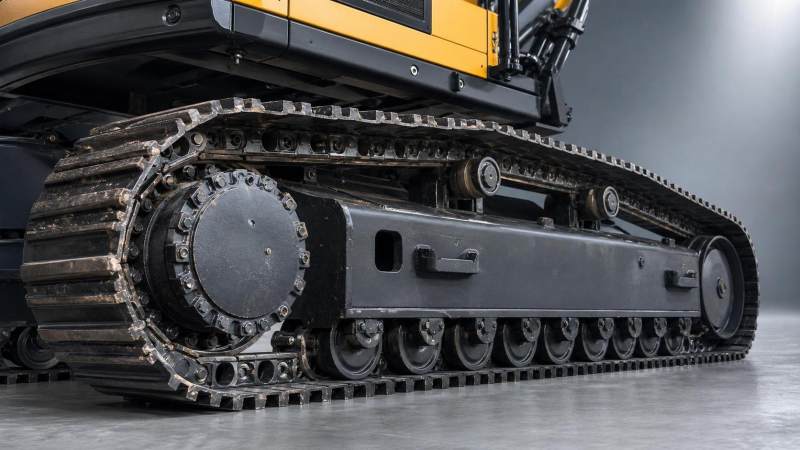
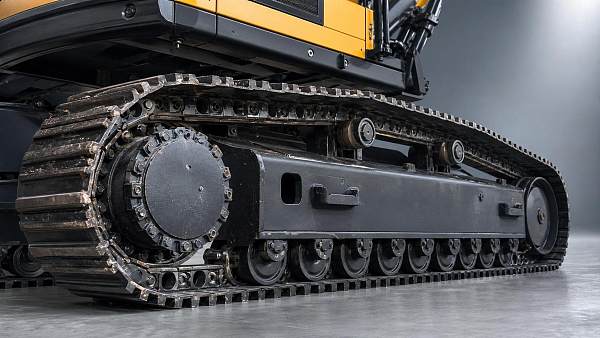
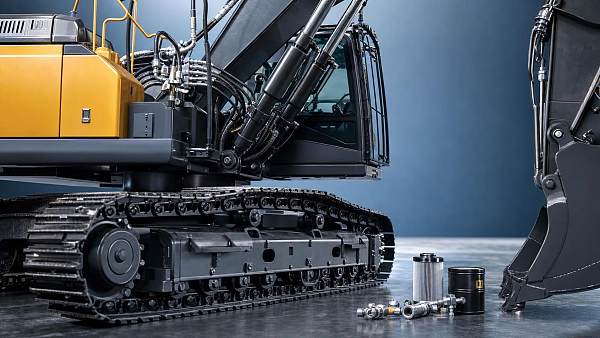
Most heavy machinery components undercarriage layouts include track chains, track shoes, rollers, idlers, sprockets, and tension assemblies.
Some machines also use carrier rollers, guards, recoil springs, and wear plates depending on duty and design.
Track chains and pins
Track chains form the moving backbone of the undercarriage.
Pins and bushings handle articulation, shock, and constant friction.
Chain pitch growth is one of the clearest wear indicators.
Track shoes
Track shoes provide ground contact and help balance traction, flotation, and stability.
Grouser height affects grip, turning effort, and fuel consumption.
Bottom rollers and carrier rollers
Rollers support machine weight and guide the track frame during travel.
Seal failure here often becomes a fast-moving wear problem.
Idlers and tension assemblies
Front idlers guide track movement and help maintain alignment.
The adjuster and recoil system manage track tension under load and impact.
Sprockets
Sprockets transfer drive power into the chain through repeated tooth contact.
As chain pitch changes, sprocket wear usually accelerates.
Where Heavy Machinery Components Undercarriage Wear Starts
Wear patterns are rarely random.
In most cases, heavy machinery components undercarriage damage follows load, contamination, alignment, and tension history.
A machine working in abrasive rock will not age like one on soft overburden.
Likewise, long travel distances create different wear from static lifting cycles.
- Pins and bushings wear from articulation, shock load, and poor lubrication sealing.
- Roller flanges wear from misalignment, side loading, and debris packing.
- Sprocket teeth wear from chain elongation and repeated impact.
- Idler tread wear increases when track tension is too high or too loose.
- Track shoes crack around bolt holes after repeated flexing and impact.
- Track frame areas trap mud, fines, and stone, increasing abrasive contact.
From recent maintenance trends, contamination is becoming a more visible cause of premature failure.
Fine abrasive material often destroys seals before visible metal loss appears.
That also means visual checks should be paired with measurement, not used alone.
Replacement Signs You Should Not Ignore
The best replacement decision combines wear data, machine behavior, and operating context.
Still, several signs appear consistently across heavy machinery components undercarriage service cases.
Track chain replacement signs
- Measured pitch exceeds service limits.
- Bushings show heavy external wear or uneven rotation marks.
- Links show cracking, scalloping, or side face thinning.
- Track cannot hold correct tension for long.
Roller and idler replacement signs
- Oil leakage appears around seals.
- Shell wear becomes uneven or deeply grooved.
- Flanges become sharp, thin, or chipped.
- Heat and noise rise during normal travel.
Sprocket and shoe replacement signs
- Sprocket teeth hook, sharpen, or lose profile symmetry.
- Track shoes develop cracks, bent edges, or missing hardware.
- Grouser height drops below traction needs.
- Bolt holes elongate or clamp load cannot be maintained.
The more obvious signal is not always the first one to appear.
A small leak, abnormal pitch growth, or repeated tension loss usually starts the story earlier.
How to Inspect Heavy Machinery Components Undercarriage Correctly
Inspection quality depends on consistency.
Without a repeatable method, heavy machinery components undercarriage wear data becomes difficult to compare over time.
- Clean the undercarriage before measuring. Packed material hides true wear and false alignment issues.
- Measure chain pitch, bushing diameter, roller shell diameter, flange height, and sprocket profile.
- Compare left and right sides. Uneven readings often reveal steering habits or frame alignment problems.
- Check track tension under the maker's stated conditions, not by visual guess.
- Record leaks, cracks, missing bolts, and hot-running positions after operation.
- Review wear rates against hours, ground type, and application cycle.
In field service, trend data matters more than one isolated reading.
A roller at mid-life is manageable. A roller losing material twice as fast as expected is a warning.
Replace One Part or Rebuild the System?
This is one of the most common decisions in heavy machinery components undercarriage maintenance.
Replacing a single failed part can restore operation quickly, but it is not always cost-effective.
New parts running against heavily worn mating parts often wear faster than planned.
That is why undercarriage planning should consider wear balance, not just immediate failure.
In real operations, planned grouping often lowers total cost more than repeated emergency swaps.
Practical Ways to Extend Service Life
Longer life starts with habits, not just parts quality.
For heavy machinery components undercarriage systems, small operating changes often deliver measurable value.
- Keep track tension within specification for the actual ground condition.
- Remove packed debris before it hardens and starts side loading components.
- Reduce unnecessary high-speed travel on abrasive surfaces.
- Limit aggressive counter-rotation when the application allows smoother turns.
- Match shoe type and grouser pattern to soil, rock, or mixed duty.
- Use inspection records to predict replacement timing before failure occurs.
This also aligns with a broader industry shift toward data-led maintenance.
Teams that track wear rates usually make better stocking, scheduling, and overhaul decisions.
Final Takeaway
Heavy machinery components undercarriage performance depends on system thinking, not part-by-part reaction.
Track chains, rollers, idlers, sprockets, and shoes wear together, influence each other, and fail in patterns.
When inspection is disciplined, replacement signs become clearer and repair planning gets more accurate.
That leads to fewer surprises, better parts utilization, and lower downtime risk.
For any team managing crawler fleets, the next step is straightforward.
Measure wear regularly, compare trends carefully, and replace heavy machinery components undercarriage parts before one damaged item takes the rest with it.
Related News
 Oct 11, 2026Payload Management Systems: Preventing Overloads Without Slowing ProductionPayload management helps prevent overloads, protect equipment, and keep production moving. Learn how accurate targets, pass planning, alerts, and calibration improve every load.
 Oct 09, 2026Ultra-Large Excavator Bucket Size: Capacity, Width, and Site Fit ExplainedUltra large excavator bucket size explained: compare capacity, width, payload, truck matching, and site conditions to select a reliable, high-productivity bucket.
 Oct 08, 2026How to Evaluate a Heavy Machinery Information Platform for Project Equipment SourcingHeavy machinery information platform guide: compare equipment fit, source reliability, lifecycle costs, supplier capability, and compliance to make smarter sourcing decisions.
 Oct 07, 2026How to Evaluate a Hydraulic System Component Supplier for Heavy Equipment UptimeChoose a hydraulic system component supplier with proven quality, technical fit, and reliable delivery to reduce heavy equipment downtime and lifecycle costs.

Hydraulic Power Analyst
Weekly Insights
Stay ahead with our curated technology reports delivered every Monday.