
Heavy Machinery Maintenance Checklist: How to Prevent Hydraulic and Undercarriage Failures
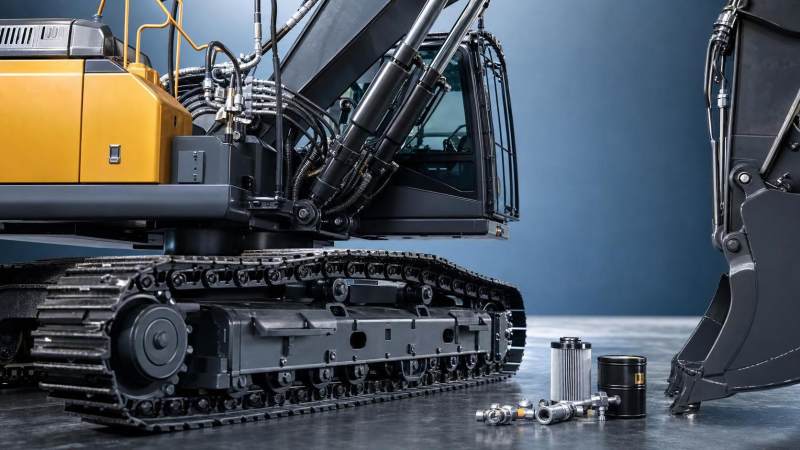
Why does heavy machinery maintenance start with hydraulics and undercarriage?
Heavy machinery maintenance usually fails at the same two pressure points first: hydraulic systems and the undercarriage.
That pattern appears across TBM support fleets, open-pit excavators, crawler cranes, road machinery, and mining dump trucks.
The reason is simple. Hydraulics carry force. The undercarriage carries load, shock, and alignment.
When either side is neglected, leaks turn into overheating, and wear turns into instability.
In actual field service, the expensive part is rarely the first damaged seal or roller.
The real cost comes from downtime, lost output, contaminated components, and rushed repair windows.
That is why a strong heavy machinery maintenance routine is not just a workshop task.
It is a reliability control method tied to production schedules, safety, and total cost of ownership.
TF-Strategy often frames this as a link between physical parameters and engineering outcomes.
For maintenance planning, that means checking pressure, temperature, contamination, tension, wear rate, and terrain impact together.
What should a practical daily and weekly checklist actually include?
A useful checklist is short enough to follow, but specific enough to catch early warning signs.
The best heavy machinery maintenance checklists focus on trend changes, not isolated numbers.
Daily inspection points
- Check hoses, fittings, cylinders, and valve blocks for wet spots, dust buildup, or fresh oil trails.
- Review hydraulic oil level, color, smell, and visible foaming before startup and after shutdown.
- Confirm operating temperature stays within the machine’s normal site range, not only the manual limit.
- Listen for pump cavitation, uneven actuator response, and delayed boom or travel functions.
- Inspect track shoes, rollers, idlers, sprockets, and tension for packing, cracks, and uneven wear.
- Remove mud, rock, and wire debris that traps heat or distorts undercarriage alignment.
Weekly inspection points
- Sample hydraulic fluid if contamination is suspected after seal failure, overheating, or hose burst events.
- Measure track tension against site conditions, because correct tension in rock differs from soft ground practice.
- Record component temperature differences across pumps, motors, rollers, and final drives.
- Compare wear patterns side to side. Asymmetry often reveals alignment or operator-path issues.
- Recheck torque on accessible fasteners in high-vibration sections after severe duty cycles.
A checklist works best when each inspection also triggers a decision: clean, monitor, repair, or stop.
Which warning signs usually appear before hydraulic failure becomes serious?
Most hydraulic failures do not arrive without notice. The problem is that the early signals look ordinary.
A small rise in temperature, slower cycle time, or repeated top-ups may seem manageable for days.
More often, those are the clues that the heavy machinery maintenance routine is already late.
The key is not to treat these symptoms as separate events.
If one machine shows heat, noise, and oil loss together, escalation is already underway.
In remote mining or tunnel logistics, that delay can affect an entire shift plan.
How do you judge undercarriage wear before it turns into a costly rebuild?
Undercarriage damage is often visible, but the true question is how fast it is progressing.
Good heavy machinery maintenance uses wear patterns to understand machine behavior, not just parts condition.
For example, sharp sprocket wear may point to pitch mismatch, not only age.
One-sided roller wear may suggest travel habits, slope bias, or poor track tension.
In crawler cranes and large excavators, undercarriage neglect can also affect stability and load confidence.
Signs that need closer measurement
- Track links elongate faster than normal service history suggests.
- Shoes crack around bolt holes or show repeated side impact marks.
- Idlers run hot after travel, even when material packing is removed.
- Rollers leak or seize after work in abrasive slurry, gravel, or frozen ground.
- The machine drifts, vibrates, or requires constant correction on straight travel.
A practical rule is to measure undercarriage in intervals tied to terrain severity, not just calendar days.
Open-pit benches, TBM support zones, and wind project access roads do not wear machines the same way.
TF-Strategy’s broader industry lens is useful here because service decisions improve when site conditions are treated as data.
What maintenance mistakes create repeat failures even after repairs?
Repeat failures usually come from diagnosis gaps, not from bad replacement parts alone.
One common mistake is replacing a failed hose without checking heat source, clamp support, and pressure spikes.
Another is changing a roller or idler but ignoring track tension and surrounding wear balance.
Heavy machinery maintenance becomes expensive when the visible failure is repaired but the operating cause stays active.
Mistakes that deserve extra attention
- Mixing hydraulic fluids without confirming additive compatibility and viscosity behavior under actual temperature range.
- Using generic inspection intervals across machines with very different duty cycles.
- Treating cleaning as cosmetic, even though packed debris drives wear and thermal stress.
- Recording repairs, but not recording pressure, contamination, travel surface, or operator feedback.
- Restarting equipment after emergency fixes without a short confirmation run and leak recheck.
The better approach is to close every repair with a root-cause note.
That note should explain what failed, why it failed, and what operating condition must change next.
How can maintenance teams turn a checklist into a prevention system?
A checklist prevents little by itself. Prevention starts when inspection results become trends and decisions.
In practice, the most effective heavy machinery maintenance programs connect field observations with machine history.
That includes service hours, component age, terrain type, fluid analysis, temperature data, and repeat failure locations.
For fleets working across tunneling, mining, lifting, and road construction, this comparison matters even more.
Different jobs create different stress signatures, but the logic of prevention stays consistent.
A workable next-step framework
- Standardize the inspection points that must be checked on every machine, every shift.
- Add site-specific checks for mud, rock, altitude, heat, or long travel distance.
- Define action thresholds for leak size, temperature change, wear depth, and noise severity.
- Review recurring issues monthly to separate random damage from pattern failure.
- Use sector intelligence, such as TF-Strategy reporting, to compare internal issues with wider equipment trends.
That final step is often overlooked.
When maintenance data is compared with broader changes in hydraulics, materials, and operating methods, planning improves.
Better planning means fewer surprise failures, cleaner shutdowns, and more reliable jobsite readiness.
If the goal is stronger heavy machinery maintenance, start by tightening inspection discipline around hydraulics and undercarriage.
Then build a record that helps judge risk, repair timing, and component life with more confidence.
Related News
 Sep 27, 2026Heavy Equipment Selection Factors for Matching Machine Capacity to Jobsite ConditionsHeavy equipment selection factors for matching capacity to jobsite conditions, improving productivity, safety, fleet efficiency, and total project cost control.
 Sep 26, 2026How to Select Wind Rotor Lifting Equipment for Safe Blade and Hub InstallationWind rotor lifting equipment selection guide: ensure safe blade and hub installation with the right lift method, load control, crane compatibility, wind limits, and compliance.
 Sep 25, 2026What Drives Heavy Haulage Cost on Oversized Construction Equipment Moves?Heavy haulage cost explained: discover how load dimensions, route surveys, permits, escorts, lifting plans, and scheduling shape reliable oversized equipment transport budgets.
 Sep 24, 2026Supplier Management Frameworks That Reduce Delays on Large Construction ProjectsLarge-scale construction projects supplier management frameworks help prevent costly delays with risk-based controls, milestone tracking, quality oversight, and escalation plans for critical packages.


Hydraulic Power Analyst
Weekly Insights
Stay ahead with our curated technology reports delivered every Monday.