
How to Choose ATEX Petrochemical Lifting Equipment for Zone 1 and Zone 2 Sites

Choosing petrochemical lifting equipment ATEX rated for Zone 1 and Zone 2 sites is never a simple capacity exercise. In hazardous petrochemical environments, one wrong assumption about ignition protection, certification scope, or operating conditions can create a compliance gap long before the first lift starts.
That is why selection decisions increasingly sit at the intersection of safety, asset reliability, and project delivery. Across refineries, gas processing plants, storage terminals, and chemical expansions, lifting equipment must match not only the load, but also the classified area, maintenance regime, and the realities of daily operations.
For platforms that track heavy machinery intelligence, such as TF-Strategy, petrochemical lifting equipment ATEX has become part of a wider shift in global infrastructure. Large lifting systems are now judged by how well they combine engineering precision, site adaptability, and defensible risk control.
What ATEX selection really means on petrochemical sites
ATEX refers to equipment intended for use in potentially explosive atmospheres. In petrochemical lifting, that usually means hoists, cranes, trolleys, winches, pendant controls, motors, brakes, and related components designed to avoid becoming an ignition source.
Zone classification matters immediately. Zone 1 areas are places where explosive gas atmospheres are likely during normal operation. Zone 2 areas are places where explosive gas atmospheres are not likely, or only exist for short periods.
This difference sounds narrow on paper, but it changes equipment design, inspection expectations, and acceptable risk margins. A unit acceptable in one area may be unsuitable in another because of enclosure design, temperature class, or electrical protection method.
In practice, petrochemical lifting equipment ATEX should be treated as a complete application decision. It is not enough that a motor or control box carries a mark. The full lifting assembly has to be assessed as an operating system.
Why the topic is drawing more scrutiny
Petrochemical projects are becoming more complex. Turnarounds are shorter, modular construction is larger, and shutdown windows are less forgiving. That increases pressure on every lifting device used near volatile process units.
At the same time, procurement chains are broader and more international. Equipment may be assembled from components sourced across several regions, which makes certification traceability and technical consistency more difficult to verify.
Another factor is the growing use of digital controls, condition monitoring, and remote operation features. These add value, but they also add interfaces, cable routes, sensors, and power elements that must remain compatible with hazardous area requirements.
Seen through the TF-Strategy lens of heavy equipment intelligence, the issue is broader than compliance paperwork. The selection of petrochemical lifting equipment ATEX now affects uptime planning, contractor coordination, and total cost of ownership.
Start with the site, not the catalog
The most reliable decisions begin with the hazardous area dossier and the lift scenario. A catalog description such as “ATEX crane” or “explosion-proof hoist” is only a starting point.
Before comparing models, clarify the operating context:
- Area classification: Zone 1 or Zone 2, and whether gas groups impose added restrictions.
- Temperature class required by the site hazard assessment.
- Indoor, outdoor, coastal, corrosive, washdown, or high-humidity exposure.
- Nature of the lift: maintenance, installation, repetitive production support, or emergency handling.
- Duty cycle, speed control, shock loading, and standby expectations.
This approach prevents a common mistake: buying equipment that is technically certified, but operationally mismatched. A compliant hoist with poor corrosion resistance or inadequate duty rating can still undermine safe lifting performance.
The core checks that should shape equipment selection
Certification must cover the full configuration
Check the certificate number, equipment group, category, protection concept, and temperature rating. Then confirm that the certified configuration matches the delivered unit, including controls, brakes, festoons, limit switches, and auxiliary devices.
Retrofits deserve special attention. Adding radio control, lighting, sensors, or alternative pendant assemblies can change compliance status if those parts were not included in the approved design basis.
Material choice is part of explosion protection
Material suitability is often underestimated. In petrochemical settings, corrosion, static buildup, impact sparking risk, and seal degradation all influence long-term safety.
Surface treatments, stainless hardware, anti-spark features, chain or wire rope selection, and enclosure integrity all deserve review. The equipment should remain safe after months of exposure, not only on the commissioning date.
Temperature class cannot be treated as a formality
A lifting device may operate within load limits and still become unsuitable if surface temperatures exceed what the site classification allows. Motors, brakes, gearboxes, and control enclosures all contribute to heat generation.
That is why ambient temperature range, operating cycle, and ventilation conditions need to be checked against real use. Nameplate data alone may not reflect the harshest operating pattern.
Mechanical reliability and hazardous area compliance must align
Some selection teams separate lift engineering from hazardous area engineering. On difficult projects, that division creates blind spots. The safer choice is the one that satisfies both at once.
For example, side pull risk, brake response, overload protection, hook block design, and emergency lowering should be reviewed together with ignition protection. A weak point in either domain can compromise the entire operation.
Zone 1 and Zone 2 decisions are similar, but not identical
Many buyers treat Zone 2 as a relaxed version of Zone 1. That shortcut can lead to under-specified controls or unclear maintenance practices. The better view is that both zones demand discipline, but for different exposure profiles.
Where uncertainty exists, a documented comparison between site zoning, gas group, temperature class, and equipment marking is more valuable than a generic supplier statement.
Typical lifting scenarios that change the specification
Not all petrochemical lifting tasks impose the same demands. A monorail hoist above a maintenance bay differs from a crane supporting valve replacement near live process equipment.
- Routine maintenance lifts often prioritize access, compact geometry, and dependable controls.
- Turnaround work usually requires higher utilization, faster deployment, and tight certification traceability.
- Permanent process-area cranes demand stronger corrosion management and inspection planning.
- Temporary lifting arrangements need careful review of all connected certified parts.
This is where petrochemical lifting equipment ATEX becomes a project control issue, not just an equipment purchase. The chosen system must fit the workfront, permit conditions, and maintenance resources available on site.
Questions worth asking suppliers before approval
Supplier evaluation should go beyond brochures. The objective is to test whether the manufacturer or integrator understands hazardous petrochemical lifting as a complete operating environment.
- Does the certificate apply to the complete delivered assembly?
- What components are third-party sourced, and how are they traced?
- What is the permitted ambient temperature and duty cycle?
- How are corrosion protection and enclosure sealing validated?
- What inspection intervals and spare parts are critical for continued compliance?
- What modifications void the certified condition?
Detailed answers help separate truly engineered petrochemical lifting equipment ATEX from products that simply carry hazardous-area language in sales materials.
A practical way to make the final decision
A useful decision process has three layers. First, confirm zoning, gas group, temperature class, load case, and environmental exposure. Second, validate the full ATEX configuration and certificate chain. Third, compare lifecycle factors such as inspection burden, spare support, and change control.
This method is consistent with the broader heavy-industry perspective that TF-Strategy often highlights. The best equipment choice is rarely the one with the simplest specification sheet. It is the one that remains technically coherent from engineering review to long-term site use.
When reviewing petrochemical lifting equipment ATEX for Zone 1 and Zone 2 sites, the strongest next step is to build a comparison matrix around real operating conditions. That makes approval decisions clearer, reveals hidden risks earlier, and creates a record that supports both compliance and reliable lifting performance.
Related News
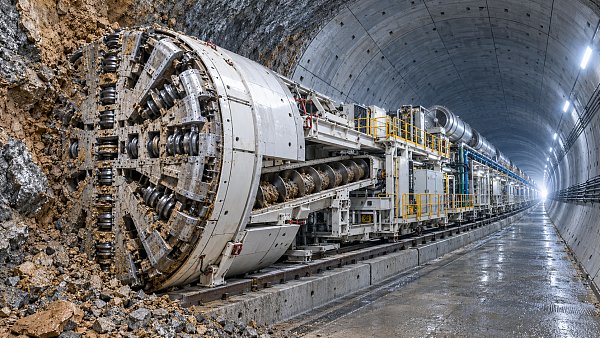
 Oct 05, 2026Tunneling Equipment Specification Planning: Key Criteria for Ground and Project RisksEquipment specification planning tunneling: learn how to match TBM systems to ground risks, geometry, safety, logistics, and lifecycle cost for more reliable project delivery.
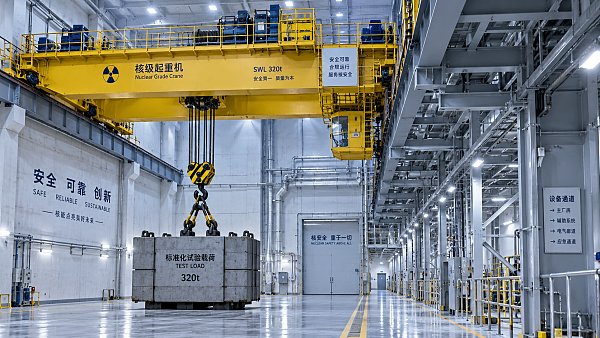
 Oct 04, 2026Nuclear Lifting Equipment Cost: Budgeting for Compliance, Testing, and Lifecycle RiskNuclear lifting equipment cost explained: budget for compliance, proof-load testing, installation, documentation, and lifecycle risk to make confident procurement decisions.
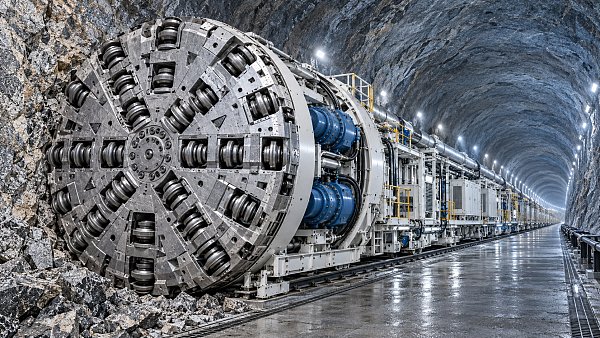
 Oct 03, 2026How to Assess TBM Manufacturers for Hard-Rock Tunneling Projects?Choose the right tunnel boring machine manufacturer for hard-rock projects. Explore key criteria for design, lifecycle cost, factory quality, and service support.
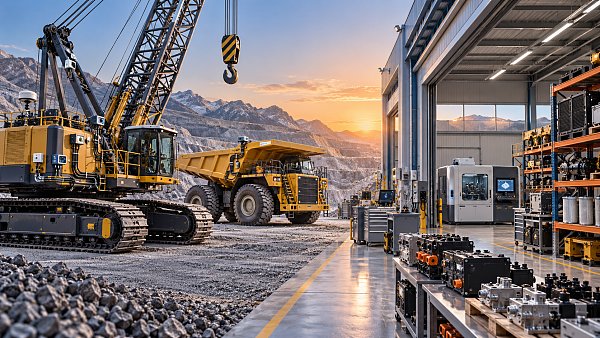
 Oct 02, 2026How to Evaluate Heavy Equipment Technology Suppliers for Fleet Uptime and SupportHeavy equipment technology suppliers can make or break fleet uptime. Learn how to assess diagnostics, data access, parts, service coverage, and support terms before you buy.
Structural Load Expert
Weekly Insights
Stay ahead with our curated technology reports delivered every Monday.