
Construction Equipment Specification Planning: How to Match Load, Reach, and Site Conditions
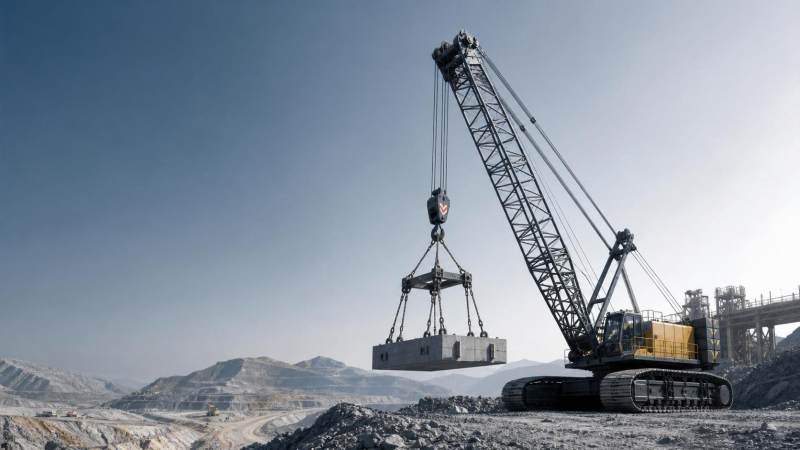
Construction equipment specification planning is often treated as a procurement exercise, yet it is really a project-risk decision. When a machine can carry the load but cannot reach the working point safely, or when it fits the reach but fails on ground stability, the specification is wrong no matter how impressive the brochure looks. In heavy industry, infrastructure, mining, and large-scale civil works, that mismatch can affect schedule, safety, fuel use, and total deployment cost.
For technical evaluation, the key is to connect machine parameters with real site behavior. TF-Strategy’s intelligence model is useful here because it links heavy equipment physics, project methods, and field constraints rather than treating them separately. That matters across TBM logistics, open-pit operations, crawler crane lifts, road-building fleets, and mining haulage, where the right specification only works when load, reach, and site conditions are read together.
Why load, reach, and site conditions must be evaluated together
A machine’s rated capacity is not a complete answer. Real performance depends on boom geometry, working radius, attachment weight, ground bearing pressure, slope, wind exposure, and access space. In construction equipment specification planning, each of these variables changes the usable envelope of the machine.
This is especially clear in ultra-large lifting. A crawler crane may meet the nominal tonnage target, but if the lift must be made at a long radius, the available capacity drops sharply. The same logic applies to excavators in rock benches, road machinery in narrow corridors, and dump trucks on high-altitude haul roads. The machine is not judged by one number alone.
Site conditions also reshape the decision. Soft ground, uneven grades, confined access, underground clearance, or extreme temperature can all reduce effective capacity. That is why construction equipment specification planning should begin with the site, not with the catalog.
The practical meaning of specification planning
In practice, specification planning is the process of converting project intent into measurable machine requirements. It includes lifting curves, reach charts, travel paths, assembly conditions, duty cycle, and support logistics. For complex projects, it also includes maintenance access, transportation limits, and staging space.
TF-Strategy’s focus on TBM, mining, cranes, road machinery, and dump trucks reflects this broader logic. The same project may need a tunnel boring system for underground alignment, ultra-large excavators for earthmoving, and crawler cranes for major component installation. Each asset must be specified in relation to the job, not in isolation.
- Load defines what the machine must move, lift, push, or carry.
- Reach defines where the work must happen relative to the machine base.
- Site conditions define whether the operation is stable, accessible, and repeatable.
Where specification mistakes usually appear
Most failures in construction equipment specification planning do not come from a single wrong choice. They come from small assumptions that compound. A lift chart is read at ideal conditions. A haul road is treated as flatter than it really is. A narrow access route is assumed to handle the transport envelope. Those assumptions can quickly turn into downtime or redesign.
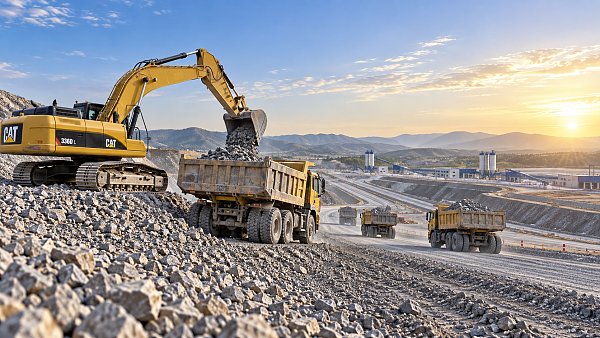
In mining and quarry work, repeated loading cycles also matter. A unit may be adequate for one lift or one pass, but not for continuous duty under heat, dust, vibration, and long operating shifts. In infrastructure jobs, weather windows and traffic staging add another layer of pressure. The best specification is not the biggest one; it is the one that stays effective under the project’s real operating pattern.
How TF-Strategy style intelligence changes the evaluation
A more advanced approach to construction equipment specification planning uses intelligence stitching, not just equipment catalogs. That means combining project geometry, geological conditions, transport limits, and operating duty into one review. TF-Strategy’s Strategic Intelligence Center is built around that idea, pairing heavy haulage strategists, hydraulic analysts, and boring specialists with market and project signals.
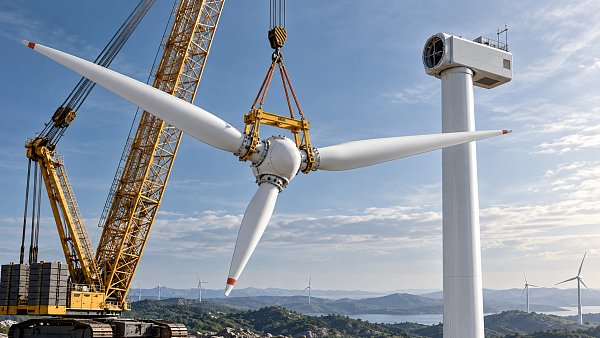
For example, a tunnel project may require careful matching of TBM dimensions with segment logistics, spoil removal, and shaft constraints. An open-pit site may need excavators selected for sustained digging force, not simply bucket size. A renewable-energy lift may require a crawler crane decision based on erection sequence, foundation condition, and wind exposure. The intelligence layer helps expose these trade-offs earlier.
That is also where commercial insight matters. Specification choices affect TCO, delivery reliability, and the amount of contingency built into the schedule. The more accurately the machine envelope fits the site, the less padding the project needs in labor, fuel, and standby time.
A useful decision path before locking the machine list
Before finalizing construction equipment specification planning, it helps to work through a short sequence of checks. The sequence is simple, but it keeps the discussion grounded in field reality rather than optimism.
- Confirm the true working load, including attachments and rigging.
- Map the farthest and highest reach required on site.
- Check ground conditions, slopes, and bearing requirements.
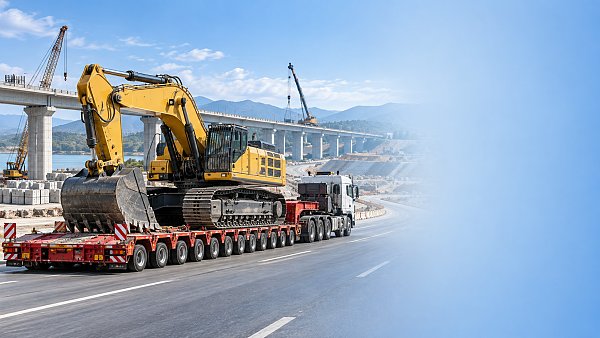
- Review access, transport, assembly, and repositioning limits.
- Compare duty cycle, shift length, and environmental stress.
If any one of these points is weak, the specification should be reconsidered. That may mean choosing a different machine class, adding support equipment, adjusting the construction method, or revising the sequence of work. In many cases, method changes are cheaper than forcing a mismatched machine to perform beyond its practical envelope.
What a strong final decision usually looks like
A sound decision does not chase maximum capacity. It creates enough margin for realistic operating conditions without over-specifying the fleet. In other words, construction equipment specification planning should produce a machine choice that is safe, deployable, and efficient across the full project cycle.
The best outcome is a specification that matches load, reach, and site conditions with enough precision to avoid unnecessary cost, but enough resilience to handle field variation. That balance is where heavy equipment becomes a delivery asset rather than a source of uncertainty.
For the next step, it is usually worth rebuilding the specification from the jobsite backward: define the work point, test the reach, verify the surface, then compare available machines against those constraints. That sequence turns construction equipment specification planning into a practical control tool, not just a technical document.
Related News
 Sep 27, 2026Heavy Equipment Selection Factors for Matching Machine Capacity to Jobsite ConditionsHeavy equipment selection factors for matching capacity to jobsite conditions, improving productivity, safety, fleet efficiency, and total project cost control.
 Sep 26, 2026How to Select Wind Rotor Lifting Equipment for Safe Blade and Hub InstallationWind rotor lifting equipment selection guide: ensure safe blade and hub installation with the right lift method, load control, crane compatibility, wind limits, and compliance.
 Sep 25, 2026What Drives Heavy Haulage Cost on Oversized Construction Equipment Moves?Heavy haulage cost explained: discover how load dimensions, route surveys, permits, escorts, lifting plans, and scheduling shape reliable oversized equipment transport budgets.
 Sep 24, 2026Supplier Management Frameworks That Reduce Delays on Large Construction ProjectsLarge-scale construction projects supplier management frameworks help prevent costly delays with risk-based controls, milestone tracking, quality oversight, and escalation plans for critical packages.

Ms. Elena Rodriguez
Weekly Insights
Stay ahead with our curated technology reports delivered every Monday.