
Extreme Temperature Mining Equipment: Key Design Features for Reliable Cold and Hot Operations

Extreme temperature mining puts heavy equipment under a form of stress that standard duty cycles do not fully capture. In very cold pits, fluids thicken, seals harden, and brittle fracture risk rises. In very hot operations, engines, electronics, tires, and hydraulic systems face a constant thermal burden. Reliability in these conditions affects safety exposure, repair frequency, haulage continuity, and total cost far more than a simple horsepower figure suggests.
That is why extreme temperature mining has become a priority topic across open-pit fleets, high-altitude haulage systems, and large excavation programs. It sits at the intersection of design engineering, field maintenance, operating discipline, and strategic asset planning. For an intelligence platform such as TF-Strategy, this theme also reflects a broader industry shift: heavy equipment must now perform across harsher climates while meeting stricter uptime, safety, and lifecycle expectations.
Why temperature resilience matters more now
Mining assets are moving into deeper, more remote, and more climate-exposed sites. Some projects combine high altitude, sharp day-night temperature swings, abrasive dust, and longer maintenance supply chains. Under these conditions, the margin for design weakness becomes very small.
The issue is not limited to mining dump trucks. Ultra-large excavators, support loaders, drills, auxiliary power units, and even transfer stations are influenced by thermal extremes. A failure in one subsystem can quickly spread into a production bottleneck, a fire risk, or a personnel hazard.
More attention is also coming from the digital side. Remote diagnostics, autonomous functions, sensor networks, and electric drive architectures increase performance visibility, but they also introduce components that must stay stable when ambient temperatures move far outside normal industrial ranges.
What defines equipment for extreme temperature mining
In practical terms, extreme temperature mining equipment is not just a standard machine with thicker insulation or a larger radiator. It is a system engineered around predictable thermal risks, material behavior, and maintenance realities.
Designers usually work from a temperature envelope. That envelope considers startup conditions, steady-state operation, idle periods, transport, storage, and emergency shutdown. A truck that runs well at 45°C after warmup may still fail if it cannot cold-start at -35°C or protect electronics after a sudden stop.
This is where TF-Strategy’s style of intelligence linking becomes useful. Physical parameters, duty cycles, route profiles, and construction methodology all matter together. A machine should be judged within its operating ecosystem, not by a single specification sheet.
Core design features that support cold and hot operations
Materials, structure, and sealing
Low temperatures can reduce toughness in steel components, especially under impact loading. High temperatures accelerate seal aging, hose degradation, and fatigue in vibration zones. Material selection therefore becomes a frontline reliability decision.
Critical structures often use grades validated for low-temperature toughness, while sealing systems are matched to expected thermal cycling. Attention to weld quality, expansion behavior, and dust-tight enclosure performance helps reduce hidden failure points.
Thermal management for powertrain and hydraulics
In hot environments, cooling capacity is not only about radiator size. Airflow routing, fan control logic, heat exchanger cleanliness, and compartment layout all influence thermal stability. A poorly managed engine bay can create repeated derating and shorten component life.
In cold environments, the problem changes. Hydraulic oils become sluggish, lubrication film behavior shifts, and pressure spikes appear during startup. Heaters, circulation systems, insulated lines, and temperature-aware startup controls help prevent damage before production even begins.
Electrical protection and control reliability
Extreme temperature mining increasingly depends on robust control systems. Sensors, wiring harnesses, connectors, inverters, battery systems, and telematics hardware all need protection from condensation, thermal shock, and heat soak.
Well-designed systems use protected connector architecture, thermal shielding, enclosure pressurization where needed, and control logic that avoids false alarms during sharp ambient changes. This matters even more in autonomous or remote-controlled fleets.
Operator environment and safety interfaces
Cabin climate control is often treated as a comfort feature, but in extreme temperature mining it directly affects alertness, visibility, and decision quality. Defrost performance, filtered ventilation, glazing durability, and safe access systems all deserve close review.
Hot surfaces, frozen ladders, limited visibility from dust or snow, and emergency egress difficulty are practical safety issues. Good design reduces these risks before procedures and training have to compensate.
Where failures usually begin
Many thermal failures do not start with a dramatic breakdown. They begin as small deviations that are easy to ignore during busy production periods. The pattern is familiar across fleets operating in both Arctic and desert conditions.
- Repeated cold starts without adequate preheating increase wear in engines, bearings, and hydraulic pumps.
- Dust-loaded coolers reduce heat rejection long before overtemperature alarms appear.
- Seal shrinkage or hardening creates slow leaks that later become pressure loss or contamination events.
- Harness damage and connector moisture lead to intermittent faults that are difficult to diagnose remotely.
- Tire temperature imbalance on haul trucks raises the risk of premature failure and unplanned stoppage.
For this reason, condition monitoring should focus on trends, not only alarms. Small shifts in fluid temperature, pressure response, battery behavior, and fan duty can reveal thermal stress much earlier than a shutdown event.
A practical evaluation framework
When assessing equipment for extreme temperature mining, a structured review is more useful than broad claims about ruggedness. The most reliable decisions usually compare design intent with site reality.
This framework is especially useful when comparing mining dump trucks, excavators, and electric or hybrid platforms. Different machine types respond differently to thermal stress, even when they work in the same pit.
How the issue changes across equipment categories
Haul trucks usually concentrate risk in tires, braking systems, engines, and long-cycle cooling performance. Ultra-large excavators bring more focus to hydraulics, slew systems, structural fatigue, and intermittent peak loads. Support units often suffer from being overlooked, even though their failure can delay an entire production chain.
Electric mining equipment introduces another layer. Battery thermal control, charging behavior, cable performance, and power electronics must remain predictable through seasonal swings. In this area, extreme temperature mining is no longer only a mechanical design challenge. It becomes an energy management and systems integration challenge as well.
This broader view aligns with TF-Strategy’s coverage of digitalization, new energy transition, and heavy haulage evolution. Temperature resilience now influences fleet modernization choices, not just maintenance routines.
What deserves closer attention in daily operations
Even the best machine design can be undermined by weak operating controls. In actual use, several checkpoints make a measurable difference.
- Match lubricants, coolants, and hydraulic fluids to verified site temperature ranges.
- Confirm warmup and cooldown procedures for both diesel and electric-drive systems.
- Track repeat thermal alarms, not only major shutdowns.
- Review dust management, cooler cleaning frequency, and enclosure sealing discipline.
- Test emergency response plans for fire, freeze-related immobilization, and loss of cabin climate control.
Usually, the most valuable improvement is not a dramatic redesign. It is a clearer link between design limits, field inspection points, and maintenance trigger thresholds.
Turning thermal data into better decisions
The next step in extreme temperature mining is more disciplined use of intelligence. Temperature maps, failure records, route loads, payload variance, and service intervals should be connected rather than reviewed in isolation.
That approach supports stronger equipment selection, more realistic spare-part planning, and better risk control during project expansion. It also helps identify when a site needs a purpose-built configuration instead of a standard export model with minor adjustments.
A useful starting point is to review one fleet or one critical machine class against real seasonal conditions. From there, compare thermal design features, maintenance history, and shutdown patterns. In extreme temperature mining, reliable decisions usually come from this kind of grounded comparison, not from generic performance claims.
Related News
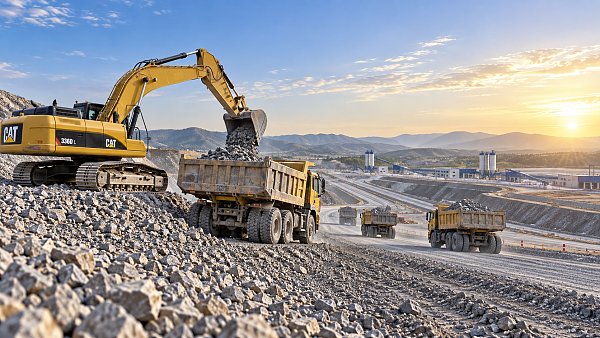
 Sep 27, 2026Heavy Equipment Selection Factors for Matching Machine Capacity to Jobsite ConditionsHeavy equipment selection factors for matching capacity to jobsite conditions, improving productivity, safety, fleet efficiency, and total project cost control.
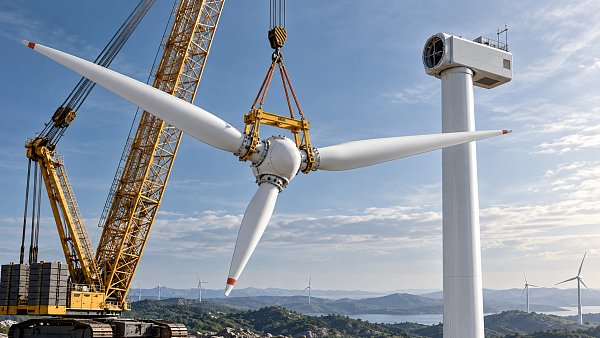
 Sep 26, 2026How to Select Wind Rotor Lifting Equipment for Safe Blade and Hub InstallationWind rotor lifting equipment selection guide: ensure safe blade and hub installation with the right lift method, load control, crane compatibility, wind limits, and compliance.
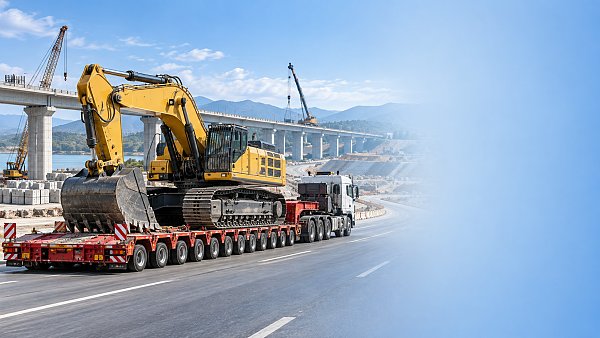
 Sep 25, 2026What Drives Heavy Haulage Cost on Oversized Construction Equipment Moves?Heavy haulage cost explained: discover how load dimensions, route surveys, permits, escorts, lifting plans, and scheduling shape reliable oversized equipment transport budgets.
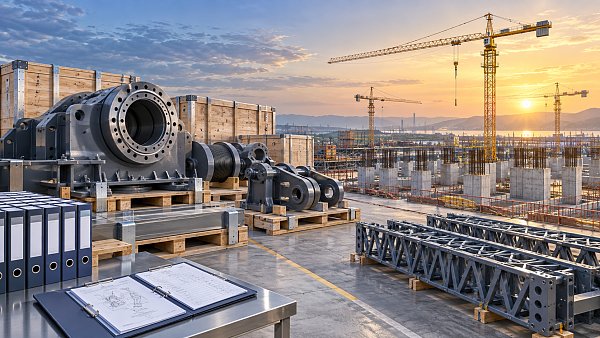
 Sep 24, 2026Supplier Management Frameworks That Reduce Delays on Large Construction ProjectsLarge-scale construction projects supplier management frameworks help prevent costly delays with risk-based controls, milestone tracking, quality oversight, and escalation plans for critical packages.
Ms. Elena Rodriguez
Weekly Insights
Stay ahead with our curated technology reports delivered every Monday.