
How to Evaluate Ultra Large Excavators Manufacturers for Mining and Mega Earthworks
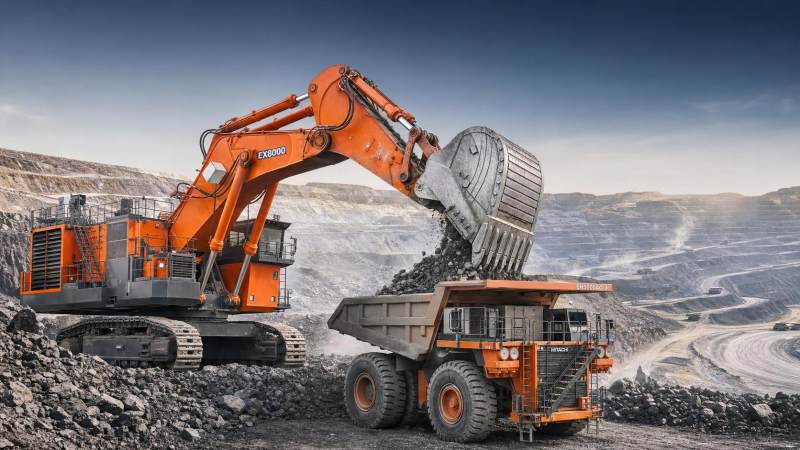
Choosing among ultra large excavators manufacturers is rarely a simple equipment comparison. In mining and mega earthworks, the decision affects production continuity, stripping cost, fuel exposure, maintenance planning, and even project bankability.
A machine with headline digging force can still become a weak investment if parts lead times are unstable, site support is thin, or digital systems do not fit the operating model. That is why evaluation must move beyond brochure specifications.
For infrastructure and resource projects now facing tighter margins, harsher environmental scrutiny, and more remote operations, the stronger question is not who builds the biggest excavator. It is which manufacturer can sustain asset value over years of demanding work.
What the evaluation really covers
When people discuss ultra large excavators manufacturers, they often start with tonnage class, bucket capacity, engine output, and cycle time. Those remain important, but they only describe the machine at delivery.
The more complete evaluation covers five layers at once: equipment capability, operating economics, support infrastructure, technology roadmap, and manufacturer resilience. Each layer influences uptime and total cost of ownership.
In practical terms, the right manufacturer is the one that matches the mine plan, bench geometry, haulage system, maintenance culture, and risk profile of the project. A mismatch in any one area can erase a nominal performance advantage.
Why the market is paying closer attention now
The current heavy equipment market is being shaped by larger open-pit operations, tougher decarbonization targets, and rising pressure to manage lifecycle cost with more discipline. Ultra-large equipment is no longer judged only by output.
Manufacturers are also being tested on remote diagnostics, automation readiness, hydraulic efficiency, and integration with dispatch and fleet management platforms. These capabilities matter because unplanned downtime is becoming more expensive than ever.
This is where an intelligence-led view becomes useful. TF-Strategy follows the interaction between equipment parameters, project methods, and strategic infrastructure demand. That wider context helps separate temporary marketing noise from durable manufacturer strength.
Core criteria for comparing ultra large excavators manufacturers
Machine fit comes before machine size
A larger excavator is not automatically a better excavator. The first check is compatibility with material hardness, overburden ratio, loading tool strategy, truck payload class, and required daily movement volumes.
For some sites, the best result comes from matching pass count and truck body size precisely. For others, ground conditions and fragmentation quality may favor a different bucket configuration or digging geometry.
Reliability data should be site-relevant
Ask for evidence from operating conditions close to your own. Ambient temperature, altitude, abrasive material, shift intensity, and maintenance discipline all affect actual reliability outcomes.
Strong ultra large excavators manufacturers should be able to provide fleet hours, component life ranges, major failure patterns, and improvement history, not just general claims about robustness.
Lifecycle economics matter more than purchase price
Acquisition cost is visible, but operating cost decides long-term value. Fuel burn, wear rates, undercarriage or track component consumption, hydraulic health, and rebuild intervals have a larger financial impact over time.
This is especially true in high-volume earthmoving or long-life mines, where even a small efficiency gap compounds across thousands of hours. Evaluation should therefore include cost per moved tonne or cost per bank cubic meter.
Support capacity must be proven locally
A premium machine without reliable field support can become a liability. Review regional parts warehousing, field technician coverage, rebuild capability, and escalation response during critical failures.
For remote projects, support architecture often decides the winner among ultra large excavators manufacturers. Response time, logistics planning, and local inventory discipline can protect months of production value.
A practical decision framework
A structured comparison helps keep the decision grounded. The table below reflects the areas that usually drive the final outcome in mining and mega earthworks.
Technology signals that deserve extra weight
Not every digital feature adds value, but some indicators reveal whether a manufacturer is building for future operating models. Remote condition monitoring is now close to essential.
The more useful question is whether telematics data can actually support planning, troubleshooting, and maintenance optimization. A dashboard alone does not create operational intelligence.
Also review progress in low-emission power systems, hydraulic efficiency, and automation interfaces. As TF-Strategy tracks across heavy industry, equipment value is increasingly linked to digitalization and energy transition readiness.
- Can the machine connect with mine dispatch, payload, and maintenance systems?
- Does the manufacturer provide predictive maintenance logic or only raw alerts?
- Are software updates and cybersecurity responsibilities clearly defined?
- Is there a credible roadmap for electrification or hybrid support where relevant?
Where many evaluations go wrong
One common mistake is treating all ultra large excavators manufacturers as comparable if their top-line specifications look similar. In reality, manufacturer quality often diverges in support consistency and execution discipline.
Another mistake is relying too heavily on factory references without checking operating context. A machine that performs well in moderate climate and good fragmentation may behave differently in abrasive rock or high altitude.
There is also a tendency to separate equipment choice from broader project systems. Excavator performance should be reviewed with truck fleet design, blasting quality, maintenance workshop capacity, and labor availability in mind.
How to turn comparison into a defensible shortlist
A sound shortlist usually combines technical review with commercial and operational testing. That process does not need to be slow, but it should be disciplined.
- Define target production metrics before meeting any supplier.
- Request operating data from comparable mines or earthworks programs.
- Model lifecycle cost using local fuel, labor, and logistics assumptions.
- Audit parts support, rebuild options, and technician deployment plans.
- Score digital capability by integration value, not marketing language.
- Review financial stability and long-term commitment to the product line.
This approach creates a more resilient basis for choosing among ultra large excavators manufacturers. It also reduces the risk of selecting a machine that looks efficient on paper but underperforms in the field.
A better next step
The strongest decisions begin with a clear operating profile, not a brand preference. Once site conditions, production targets, support constraints, and technology priorities are mapped, manufacturer comparison becomes far more accurate.
For teams tracking global heavy equipment trends, the real advantage comes from linking machine data to construction method, market direction, and project economics. That is the level at which ultra large excavators manufacturers should be judged.
A practical next move is to build a weighted evaluation matrix around reliability, lifecycle cost, service reach, and digital readiness, then test each assumption against real operating evidence before final selection.
Related News
 Oct 12, 2026How to Assess a High-Altitude Mining Equipment Manufacturer for Remote ProjectsHigh altitude mining manufacturer assessment guide: compare derating, cold-climate reliability, remote service, parts resilience, and lifecycle risk for smarter project decisions.
 Oct 11, 2026What Drives TBM Cutter Head Material Cost and Life-Cycle Value?Cutter head material cost explained: compare TBM alloys, wear protection, downtime risk, and life-cycle value to choose the most reliable, cost-effective solution.
 Oct 12, 2026How to Read Mining Equipment Performance Reviews Beyond Headline MetricsMining equipment performance reviews explained: learn to assess productivity, availability, maintenance risk, site conditions, and total ownership cost for smarter fleet decisions.
 Oct 11, 2026Payload Management Systems: Preventing Overloads Without Slowing ProductionPayload management helps prevent overloads, protect equipment, and keep production moving. Learn how accurate targets, pass planning, alerts, and calibration improve every load.

Ms. Elena Rodriguez
Weekly Insights
Stay ahead with our curated technology reports delivered every Monday.