
How to compare earthmoving equipment without costly mistakes
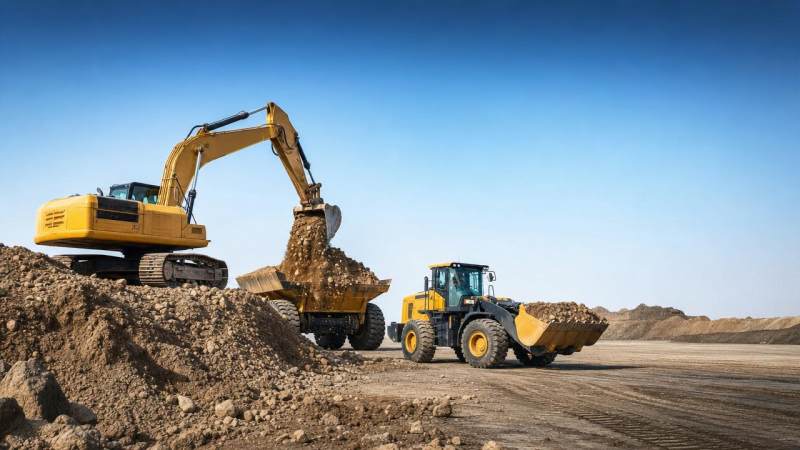
Comparing earthmoving equipment can quickly become expensive when decisions depend on brochures, brand comfort, or partial specifications. Real value comes from matching machine capability with project reality, operating conditions, and lifecycle cost.
Across global construction, mining, transport, and energy projects, earthmoving equipment is evolving under pressure from fuel volatility, digital monitoring, stricter safety expectations, and tighter delivery schedules.
That shift makes simple price comparison unreliable. A lower upfront number may hide higher fuel burn, weak parts support, poor bucket-fill performance, or avoidable downtime over the asset’s working life.
For organizations tracking heavy industry through platforms such as TF-Strategy, the key insight is clear. Physical parameters, working methods, and project strategy must be evaluated together, not separately.
Why earthmoving equipment comparison is changing faster than many expect
The old comparison model focused on engine power, bucket size, and purchase price. Today, that view is too narrow for complex infrastructure and resource projects.
Modern earthmoving equipment works inside connected job sites, mixed fleets, and harsher compliance environments. Performance now depends on data quality, maintenance planning, and application fit as much as raw horsepower.
A machine that excels in open-pit loading may underperform in urban excavation. Another may offer strong breakout force but consume more fuel in repeated haul-and-load cycles.
This is why accurate earthmoving equipment comparison now requires a wider lens. It should include productivity under real duty cycles, support stability, and strategic alignment with future project demand.
Trend signals shaping comparison standards
- Remote monitoring is exposing actual utilization gaps between similar models.
- Fuel and energy costs are making efficiency more important than rated power alone.
- Parts lead times now influence fleet availability and project risk.
- Emission standards are changing equipment selection in more regions.
- Mixed-application fleets need attachments, interoperability, and operator-friendly controls.
The main forces behind costly mistakes in earthmoving equipment decisions
Most expensive errors do not come from one bad metric. They come from comparing machines with incomplete frameworks.
When these drivers are missed, earthmoving equipment selection becomes reactive. The result is often lower availability, weaker resale value, and budget leakage through fuel, tires, repairs, and delayed completion.
What a better earthmoving equipment comparison framework should include
A stronger comparison framework starts with application reality. It asks how a machine performs in a specific operating envelope, not how it looks on a general specification sheet.
Core categories to compare
- Production output per hour under expected material density.
- Fuel consumption across realistic idle, travel, and load cycles.
- Attachment compatibility and hydraulic responsiveness.
- Ground pressure, stability, and mobility on site conditions.
- Service interval length and maintenance accessibility.
- Parts availability, dealer competence, and field support speed.
- Operator visibility, comfort, and control learning curve.
- Residual value and redeployment potential across projects.
This method turns earthmoving equipment comparison into a decision system. It also reduces the risk of overbuying capacity or underestimating site demands.
Questions that reveal hidden cost exposure
- Can the machine maintain target output in wet, loose, or fragmented material?
- How much downtime is expected for routine service each month?
- Are wear parts standardized across the current fleet?
- How quickly can critical components be delivered to the site?
- Will software, sensors, and telematics integrate with existing systems?
How these shifts affect operations, budgeting, and long-term fleet strategy
The impact of poor earthmoving equipment comparison goes beyond one machine. It can distort project sequencing, labor planning, and even financing assumptions.
If loading equipment is too slow, haul trucks wait. If an excavator is oversized, fuel and transport costs rise. If support is weak, utilization drops during critical project windows.
In mining and major infrastructure, these errors compound quickly. A small mismatch in bucket-pass efficiency or cycle time can influence millions in annual operating cost.
For broader heavy-equipment ecosystems, the lesson mirrors TF-Strategy’s intelligence approach. Machinery should be read as part of a production chain, not as isolated assets.
Where effects are usually felt first
- Daily production reliability
- Job-site fuel efficiency
- Maintenance scheduling pressure
- Spare-parts inventory burden
- Contract margin protection
- Fleet renewal timing
What deserves the closest attention before selecting earthmoving equipment
Several points deserve more weight than they often receive. These are the areas where hidden mistakes most often begin.
- Duty-cycle realism: Compare machines using actual material, haul distance, slope, and temperature assumptions.
- Total cost of ownership: Include fuel, wear parts, planned maintenance, downtime, transport, and resale value.
- Support resilience: Test service responsiveness, technician depth, and local parts coverage before purchase.
- Data visibility: Prioritize earthmoving equipment with telematics that can validate utilization and maintenance behavior.
- Future compatibility: Consider whether the machine fits upcoming emission, automation, or electrification requirements.
- Fleet harmony: Standardization across attachments, training, and components can reduce complexity.
These checks support better comparison across excavators, loaders, dozers, graders, and articulated haul systems. They also improve confidence when evaluating unfamiliar brands or new technology platforms.
A practical way to judge earthmoving equipment without expensive surprises
A disciplined review process can reduce decision risk significantly. The goal is not endless analysis. The goal is structured comparison with measurable outcomes.
This approach is especially useful when earthmoving equipment will support large civil works, mine development, energy corridors, or multi-stage transport infrastructure.
The best decision usually comes from combining specification analysis, site conditions, field service intelligence, and lifecycle economics into one scoring model.
The next move: compare earthmoving equipment with intelligence, not assumptions
The market for earthmoving equipment is becoming more data-driven, more application-specific, and more sensitive to hidden operating costs. That means comparison standards must rise as well.
Instead of choosing by headline price or familiar branding, build a structured review around output, support, maintainability, and strategic fit. That is how costly mistakes are avoided before contracts and deployment begin.
For teams following global heavy-equipment shifts through intelligence-led sources such as TF-Strategy, the advantage is perspective. Better equipment decisions start when machine data is connected to project method and business risk.
Use that perspective to create a shortlist, test assumptions with field evidence, and compare earthmoving equipment through the lens of long-term value. The savings often appear long after the purchase order is signed.
Related News
 Oct 12, 2026How to Assess a High-Altitude Mining Equipment Manufacturer for Remote ProjectsHigh altitude mining manufacturer assessment guide: compare derating, cold-climate reliability, remote service, parts resilience, and lifecycle risk for smarter project decisions.
 Oct 11, 2026What Drives TBM Cutter Head Material Cost and Life-Cycle Value?Cutter head material cost explained: compare TBM alloys, wear protection, downtime risk, and life-cycle value to choose the most reliable, cost-effective solution.
 Oct 12, 2026How to Read Mining Equipment Performance Reviews Beyond Headline MetricsMining equipment performance reviews explained: learn to assess productivity, availability, maintenance risk, site conditions, and total ownership cost for smarter fleet decisions.
 Oct 11, 2026Payload Management Systems: Preventing Overloads Without Slowing ProductionPayload management helps prevent overloads, protect equipment, and keep production moving. Learn how accurate targets, pass planning, alerts, and calibration improve every load.

Ms. Elena Rodriguez
Weekly Insights
Stay ahead with our curated technology reports delivered every Monday.