
Why heavy machinery maintenance costs keep rising
Why Heavy Machinery Maintenance Costs Keep Rising
Rising heavy machinery maintenance costs are no longer a line-item issue.
They directly affect project margins, asset utilization, and capital allocation across infrastructure, mining, energy, and transport projects.
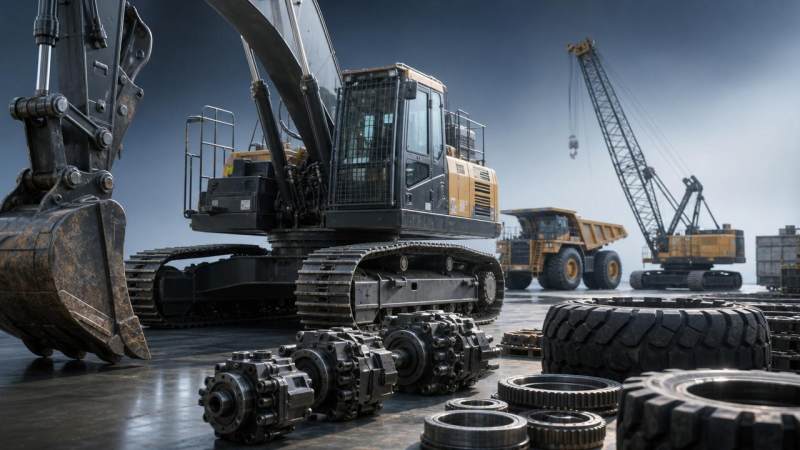
From TBMs and ultra-large excavators to crawler cranes and mining dump trucks, equipment now works under harsher duty cycles.
Stricter safety expectations and complex digital systems are also changing how heavy machinery maintenance is planned, priced, and approved.
Understanding the cost curve helps separate unavoidable lifecycle spending from preventable waste.
It also supports smarter budgeting, stronger supplier negotiations, and better total cost of ownership control.
The Cost Curve Is Moving Faster Than Traditional Budgets
Heavy machinery maintenance has become more expensive because equipment value, operating intensity, and failure consequences have all increased together.
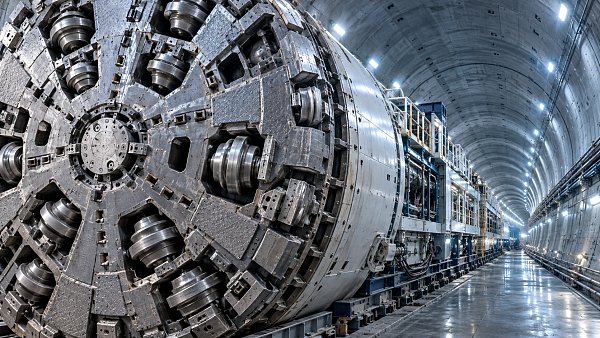
A stalled TBM can delay an entire underground corridor. A grounded crawler crane can freeze a wind farm lifting schedule.
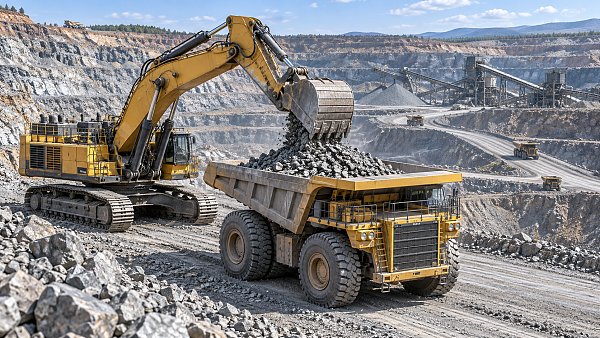
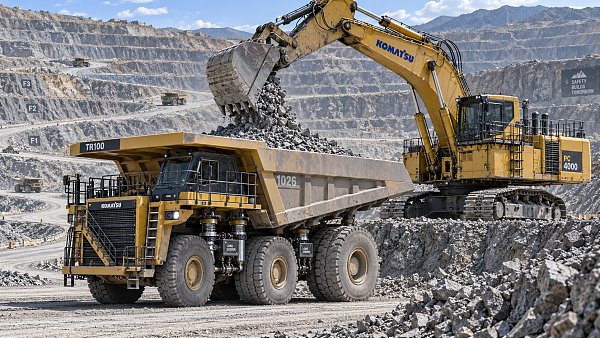
An unavailable mining dump truck can reduce daily ore movement and disrupt downstream processing capacity.
This makes heavy machinery maintenance less like routine repair and more like operational risk management.
The trend is visible across open-pit mining, tunnel construction, highway building, port logistics, and energy infrastructure.
Machines are larger, more specialized, and more dependent on integrated hydraulic, electronic, and software-driven control systems.
Trend Signals Behind Higher Maintenance Spending
Several signals show why heavy machinery maintenance budgets are rising faster than many historical planning models expected.
- Longer shifts and higher utilization reduce inspection windows and accelerate component fatigue.
- Extreme heat, cold, dust, altitude, and abrasive geology shorten service intervals.
- Automation, telematics, and emissions systems add diagnostic value, but increase specialized repair needs.
- Global parts supply remains exposed to logistics delays, currency movements, and raw material volatility.
- Safety rules increasingly require documented inspections, certified parts, and traceable maintenance records.
These signals do not affect every asset equally.
However, they collectively explain why heavy machinery maintenance is becoming a strategic cost center rather than a reactive workshop function.
The Main Forces Pushing Costs Upward
These drivers often interact.
For example, a hydraulic fault on an ultra-large excavator may involve contamination analysis, software alarms, and delayed valve availability.
That turns heavy machinery maintenance into a chain of technical, logistical, and financial decisions.
Digital Equipment Reduces Blind Spots, But Not Always Costs
Telematics, remote diagnostics, and condition monitoring can reduce unexpected failures.
Yet they also raise expectations for faster intervention, richer data review, and more specialized service capability.
Modern heavy machinery maintenance now includes software updates, sensor calibration, cybersecurity checks, and electronic fault interpretation.
This changes the skill profile required on site and in central support teams.
A fault code alone rarely solves a failure.
It must be combined with oil analysis, pressure readings, vibration data, operator behavior, and environmental context.
When that analytical chain is weak, digital systems may identify problems without reducing the final maintenance bill.
Duty Cycles Are Becoming Less Forgiving
Many assets are being pushed harder because infrastructure schedules are tighter and commodity cycles are more volatile.
Open-pit excavators face continuous loading targets. TBM cutter heads meet unpredictable ground conditions.
Crawler cranes perform critical lifts where wind windows, transport timing, and assembly sequences leave little tolerance.
Under these conditions, heavy machinery maintenance intervals can no longer be based only on calendar schedules.
They must reflect payload, cycle count, idle time, terrain, operator practice, and material abrasiveness.
When actual duty cycles exceed assumptions, components reach fatigue thresholds sooner than expected.
The result is more frequent rebuilds, higher lubricant consumption, and greater inventory pressure.
Supply Chains Make Maintenance Less Predictable
Parts availability has become a major factor in heavy machinery maintenance cost escalation.
Large tires, slewing bearings, hydraulic pumps, gearbox assemblies, and cutter tools often have long lead times.
When a critical part is unavailable, temporary fixes may keep equipment running but increase future damage risk.
Emergency freight, cannibalized parts, and expedited machining can also inflate the final repair cost.
Raw material volatility adds another layer.
Specialty steels, high-performance rubber, electronics, and precision castings directly affect replacement component pricing.
This is why maintenance planning increasingly overlaps with procurement strategy and supplier intelligence.
Impacts Across Projects, Fleets, and Capital Planning
Rising heavy machinery maintenance costs affect more than workshop budgets.
They influence project schedules, tender pricing, equipment replacement timing, and cash flow assumptions.
- Project delivery faces higher delay exposure when key machines lack redundancy.
- Fleet planning becomes harder when aging assets require unpredictable rebuild spending.
- Operating margins tighten when fuel, parts, labor, and downtime rise together.
- Capital allocation shifts when repair costs approach replacement thresholds.
- Contract pricing needs stronger allowances for lifecycle risk and service escalation.
The most exposed operations are those treating heavy machinery maintenance as a backward-looking expense.
The more resilient operations treat it as a forward-looking indicator of asset health and delivery certainty.
Where Cost Control Should Focus Next
Not every increase can be avoided.
However, disciplined heavy machinery maintenance programs can reduce waste, improve availability, and prevent small issues from becoming structural failures.
Core priorities for stronger maintenance control
- Build maintenance plans around real duty cycles, not only calendar-based intervals.
- Track cost per operating hour by asset class, site, and application.
- Use oil, vibration, temperature, and pressure data to validate component condition.
- Segment parts into critical, planned, slow-moving, and emergency inventory categories.
- Compare rebuild economics with replacement timing before major overhaul approval.
- Standardize inspection records for cranes, TBMs, excavators, trucks, and road machinery.
- Train operators to detect early symptoms before alarms become shutdown events.
These steps help convert heavy machinery maintenance from reactive spending into measurable lifecycle governance.
A Practical Framework for Future Decisions
This framework keeps heavy machinery maintenance connected to total cost of ownership, not isolated repair invoices.
It also supports better decisions when equipment moves between projects, regions, and operating conditions.
How Intelligence Improves Maintenance Economics
Better information is becoming as important as better tools.
Global equipment intelligence can identify price trends, supplier risk, technology shifts, and application-specific maintenance patterns.
For TBMs, cutter head material evolution changes wear forecasts and spare part planning.
For electric mining trucks, battery health, thermal management, and charging infrastructure redefine heavy machinery maintenance routines.
For crawler cranes, inspection traceability, structural fatigue, and lift planning data shape maintenance priorities.
TF-Strategy observes these shifts through the lens of power, precision, and infrastructure execution.
Its intelligence focus connects physical machine parameters with construction methods and strategic project needs.
What to Watch Over the Next Cycle
The next phase of heavy machinery maintenance will likely be shaped by five developments.
- More predictive maintenance based on integrated equipment and site data.
- Higher demand for certified technicians with hydraulic, electrical, and software skills.
- Greater use of remote support for mines, tunnels, and isolated infrastructure sites.
- Stronger lifecycle costing in tenders, leases, and long-term service agreements.
- More scrutiny of energy transition impacts on drivetrains, batteries, and cooling systems.
The direction is clear.
Maintenance will remain expensive, but uncontrolled maintenance will become far more costly.
Turning Rising Costs Into Better Control
Heavy machinery maintenance costs keep rising because machines are larger, smarter, busier, and more mission-critical.
The answer is not simply to reduce maintenance spending.
The better path is to spend with sharper timing, stronger evidence, and clearer links to availability.
Start by ranking assets by downtime impact, cost volatility, and replacement risk.
Then align inspection routines, parts strategy, supplier contracts, and data analytics around those priorities.
For complex fleets, heavy machinery maintenance should be reviewed as part of total cost of ownership governance.
With better intelligence, rising costs can become a signal for smarter asset decisions, not just a financial burden.
TF-Strategy continues tracking the machinery, methods, and market forces shaping this shift across global earth engineering.
Related News
 Oct 12, 2026How to Assess a High-Altitude Mining Equipment Manufacturer for Remote ProjectsHigh altitude mining manufacturer assessment guide: compare derating, cold-climate reliability, remote service, parts resilience, and lifecycle risk for smarter project decisions.
 Oct 11, 2026What Drives TBM Cutter Head Material Cost and Life-Cycle Value?Cutter head material cost explained: compare TBM alloys, wear protection, downtime risk, and life-cycle value to choose the most reliable, cost-effective solution.
 Oct 12, 2026How to Read Mining Equipment Performance Reviews Beyond Headline MetricsMining equipment performance reviews explained: learn to assess productivity, availability, maintenance risk, site conditions, and total ownership cost for smarter fleet decisions.
 Oct 11, 2026Payload Management Systems: Preventing Overloads Without Slowing ProductionPayload management helps prevent overloads, protect equipment, and keep production moving. Learn how accurate targets, pass planning, alerts, and calibration improve every load.

Ms. Elena Rodriguez
Weekly Insights
Stay ahead with our curated technology reports delivered every Monday.