
What to Check on an Industrial Equipment Reference Platform Before Comparing Suppliers
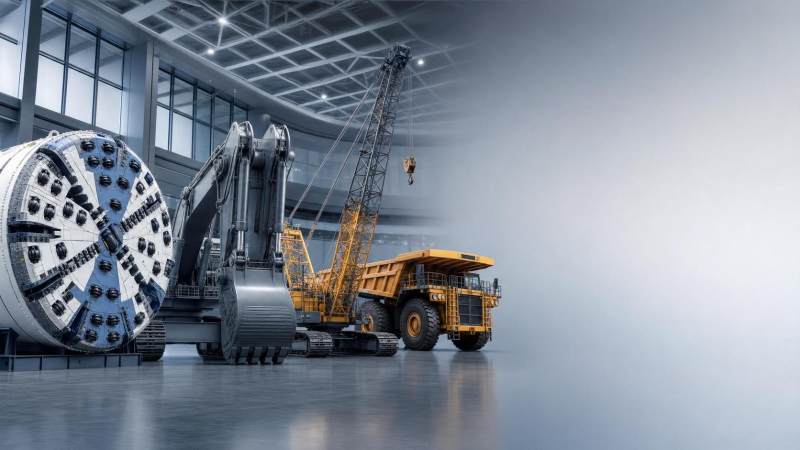
Before any supplier shortlist makes sense, the first checkpoint is the industrial equipment reference platform behind the comparison. In heavy industry, listings alone rarely tell the full story. A useful platform should connect machine specifications, jobsite demands, project patterns, and market direction, so that supplier evaluation starts from evidence rather than sales language.
That matters more now because infrastructure investment is becoming more complex. Tunnel systems, open-pit mines, wind installations, petrochemical plants, and high-speed road networks all demand equipment decisions with long operational consequences. When an industrial equipment reference platform is shallow, supplier comparisons become distorted from the beginning.
A reference platform should do more than catalog machines
The core role of an industrial equipment reference platform is not just to show models and brands. It should help explain whether a machine belongs in a specific operating context.
For sectors such as TBM systems, ultra-large excavators, crawler cranes, road machinery, and mining dump trucks, technical data is only the starting layer. What matters next is interpretation.
A platform with real value shows how physical parameters relate to construction methods, geology, haulage conditions, lifting requirements, or paving precision. That is where decision quality improves.
This is also why intelligence-led platforms stand out. TF-Strategy, for example, frames heavy equipment through the relationship between power, precision, and infrastructure strategy, rather than treating machines as isolated product entries.
Start with technical parameters that affect real performance
The first thing to check on an industrial equipment reference platform is the quality of technical parameters. Basic numbers are easy to publish. Useful numbers are harder.
Good reference data should be specific, comparable, and tied to working conditions. A specification sheet without operational context can mislead more than it helps.
- For TBMs, cutterhead diameter, torque, penetration capacity, and ground adaptability should be clearly described.
- For excavators, bucket capacity, digging force, fuel or electric efficiency, and endurance under continuous load should appear.
- For crawler cranes, lifting charts, boom configuration, ground bearing requirements, and transport conditions should be visible.
- For mining dump trucks, payload, gradeability, braking systems, and performance in altitude or extreme temperatures matter.
The industrial equipment reference platform should also show whether those values come from standard tests, field records, or manufacturer claims. Source clarity reduces the risk of false comparison.
Application fit is often more important than maximum capacity
A common mistake in supplier comparison is assuming that bigger numbers mean better choices. In practice, fit often matters more than peak output.
An industrial equipment reference platform should help identify where each machine performs well, where it struggles, and what project environments it was designed for.
This is especially relevant in global infrastructure. Urban tunneling differs from mountain tunneling. A road machine built for temperate climates may behave differently in desert heat. A mining truck suited to one haul profile may underperform in another.
Useful platforms connect equipment to scenarios such as mixed geology, remote mines, restricted urban sites, large wind installations, or long-cycle continuous operations. That context sharpens supplier review later.
Questions worth checking in the application layer
- What operating environment is the machine optimized for?
- Which materials, ground conditions, or lifting demands does it handle consistently?
- Does the platform show references from comparable projects?
- Are limitations stated as clearly as strengths?
Project relevance separates research from browsing
A strong industrial equipment reference platform should connect equipment information to project reality. That means more than naming industries or attaching generic use cases.
Project relevance includes contract scale, regional conditions, regulatory pressures, material supply constraints, and delivery expectations. These elements often shape supplier suitability as much as machine design.
For heavy equipment linked to billion-dollar infrastructure, project context can expose hidden mismatches. A supplier may offer the right machine class but lack experience in similar site conditions or deployment schedules.
This is where a platform like TF-Strategy becomes useful. Its focus on global tenders, specialized material supply, and engineering intelligence adds a practical layer that standard directories usually miss.
Trend intelligence changes the meaning of a good supplier
Supplier comparison should not rely only on current catalog strength. The industrial equipment reference platform should also reveal where the category is moving.
That includes digitalization, remote operation, cleaner power systems, safety standards, materials engineering, and maintenance strategy. A supplier that looks competitive today may fall behind in the next project cycle.
In heavy sectors, this is no longer abstract. 5G remote-controlled excavation, TBM cutter head material upgrades, and the business case for electric mining trucks are already affecting buying logic and lifecycle economics.
An industrial equipment reference platform should therefore include evolutionary trends, not just current model pages. Without that layer, comparisons can miss future compliance burdens or operating advantages.
Commercial signals deserve a place beside engineering data
Technical fit is essential, but it does not finish the evaluation. Heavy equipment decisions are shaped by commercial timing, supply risk, energy transition pressure, and maintenance economics.
A better industrial equipment reference platform includes market signals that support practical judgment. These signals may include tender activity, replacement cycles, raw material availability, regional demand shifts, and cost pressure patterns.
This is especially relevant when comparing suppliers across borders. Delivery risk, service network reach, component sourcing, and compliance readiness can be more decisive than nominal machine output.
Platforms with commercial insight help reduce the chance of choosing a technically attractive option that becomes operationally expensive later.
Signs that the platform supports better commercial reading
- It links equipment categories to active infrastructure demand.
- It tracks specialized supply chains and strategic inputs.
- It discusses TCO, not only purchase price.
- It shows how green transition policies influence machine selection.
How to use the platform before comparing suppliers
The best approach is to treat the industrial equipment reference platform as a filter, not a shopping list. Build the comparison logic before building the supplier list.
Start by defining the operating scenario in measurable terms. Include terrain, duty cycle, output targets, logistics constraints, emissions expectations, and project schedule realities.
Then use the platform to narrow the machine class, parameter range, and technology path that make sense. Only after that should supplier names enter the process.
At this stage, a platform such as TF-Strategy can be especially effective because it combines machine intelligence with methodology, sector evolution, and strategic demand signals.
That combination helps turn supplier comparison into a structured judgment: which supplier aligns with the right machine logic, the right project logic, and the right future operating logic.
A more reliable next step
Before reviewing quotations, check whether the industrial equipment reference platform you rely on is complete enough to support real comparison. Parameter depth, application fit, project relevance, trend intelligence, and commercial signals should all be visible.
When those layers are in place, supplier analysis becomes sharper and less reactive. The next step is simple: map your operating conditions, set a shortlist of critical indicators, and use the platform to test which equipment paths deserve deeper evaluation.
That process takes more discipline at the beginning, but it usually leads to better supplier conversations, stronger technical alignment, and fewer surprises after deployment.
Related News
 Sep 27, 2026Heavy Equipment Selection Factors for Matching Machine Capacity to Jobsite ConditionsHeavy equipment selection factors for matching capacity to jobsite conditions, improving productivity, safety, fleet efficiency, and total project cost control.
 Sep 26, 2026How to Select Wind Rotor Lifting Equipment for Safe Blade and Hub InstallationWind rotor lifting equipment selection guide: ensure safe blade and hub installation with the right lift method, load control, crane compatibility, wind limits, and compliance.
 Sep 25, 2026What Drives Heavy Haulage Cost on Oversized Construction Equipment Moves?Heavy haulage cost explained: discover how load dimensions, route surveys, permits, escorts, lifting plans, and scheduling shape reliable oversized equipment transport budgets.
 Sep 24, 2026Supplier Management Frameworks That Reduce Delays on Large Construction ProjectsLarge-scale construction projects supplier management frameworks help prevent costly delays with risk-based controls, milestone tracking, quality oversight, and escalation plans for critical packages.
Ms. Elena Rodriguez
Weekly Insights
Stay ahead with our curated technology reports delivered every Monday.