
When underground excavation technology cuts delay risks
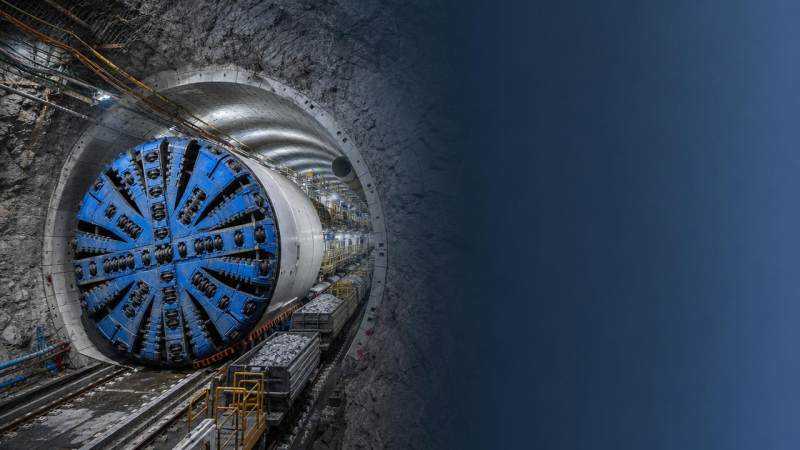
When timelines tighten and ground conditions remain uncertain, underground excavation technology becomes a decisive factor in controlling delay risks. It shapes how quickly teams respond to fractured rock, water ingress, alignment changes, and urban constraints. In today’s infrastructure environment, schedule certainty depends less on optimism and more on the integration of excavation systems, geological intelligence, and disciplined execution.
Across transport, utilities, hydropower, mining access, and metropolitan expansion, project complexity is rising. At the same time, tolerance for overruns is shrinking. This shift is why underground excavation technology now matters beyond the shaft or tunnel face. It influences financing confidence, contractor coordination, supply planning, safety performance, and long-term asset delivery.
Why delay risk is moving from surface logistics to subsurface intelligence
In earlier project cycles, delays often came from permitting, transport bottlenecks, or labor shortages. Those issues still matter. Yet many critical delays now emerge underground, where uncertainty develops faster than conventional reporting can absorb.
Modern underground excavation technology reduces this gap by linking machine performance with real-time ground interpretation. TBM telemetry, cutterhead wear data, vibration signatures, slurry balance metrics, and digital geology updates together create earlier warnings.
This is especially important in mixed-face geology, long tunnel drives, urban crossings, and mountain sections. In these settings, a single wrong assumption can trigger cascading delays through support installation, spoil handling, ventilation planning, and downstream lining operations.
The trend signals behind the rise of underground excavation technology
Several signals show that underground excavation technology is becoming central to schedule resilience. These signals appear across public infrastructure, energy corridors, water transfer schemes, and mineral development programs.
- Longer tunnel alignments increase exposure to geological variability.
- Denser urban construction raises settlement and vibration sensitivity.
- Financiers demand stronger predictability on delivery milestones.
- Digital monitoring tools now make hidden risk easier to quantify.
- Safety and environmental standards require better control underground.
The practical implication is clear. Excavation is no longer viewed only as a production task. It is increasingly treated as an intelligence-driven control point for the entire project timeline.
What is driving this shift in underground excavation technology
The move toward advanced underground excavation technology is not caused by one innovation alone. It is driven by converging technical, commercial, and operational pressures.
TF-Strategy observes this shift across heavy industry intelligence. The strongest performers are not always those with the largest fleets. They are usually the ones that connect physical equipment behavior with strategic decision timing.
How underground excavation technology changes outcomes across project stages
The value of underground excavation technology appears differently at each stage of delivery. Delay prevention starts long before excavation begins and continues after breakthrough.
During planning and design
Better geological modeling improves machine selection, support assumptions, and contingency planning. It also clarifies whether open, shielded, slurry, or EPB approaches fit actual risk conditions.
During active excavation
Performance dashboards help detect cutter wear, face instability, pressure imbalance, or reduced advance rates. With fast interpretation, crews can adjust operating parameters before disruption escalates.
During logistics and support coordination
Excavation speed affects lining segments, grout supply, muck removal, ventilation, and maintenance windows. Advanced underground excavation technology improves coordination by making production variability visible earlier.
During risk review and stakeholder communication
Structured excavation data supports clearer reporting. That reduces confusion when schedule forecasts must be revised, especially on politically sensitive or high-capital infrastructure programs.
Where delay reduction becomes measurable
Not every gain from underground excavation technology appears as dramatic acceleration. Often, the biggest benefit is avoiding compounding delays that would otherwise spread through the project system.
- Fewer unplanned stoppages caused by unknown ground transitions.
- Lower downtime from reactive cutterhead interventions.
- Better sequencing between excavation and structural follow-up work.
- More credible reforecasting when adverse conditions emerge.
- Improved safety consistency, limiting disruption from incidents.
In broad industry terms, this means schedule resilience improves when data quality, machine capability, and field decisions operate as one system rather than separate disciplines.
What deserves closer attention now
Organizations tracking underground excavation technology should focus less on isolated equipment specifications and more on system readiness. Delay risks usually emerge at interfaces, not in one component alone.
- Geology-to-machine fit: Verify whether ground assumptions match cutterhead design, thrust range, and support strategy.
- Data usability: Ensure field data can trigger action, not just accumulate in dashboards.
- Maintenance foresight: Link wear patterns to intervention timing before performance falls sharply.
- Supply resilience: Protect access to segments, cutters, seals, and critical hydraulic components.
- Remote expertise: Build access to specialists who can support diagnosis during abnormal events.
- Decision discipline: Define thresholds for stopping, adjusting, or accelerating operations.
These priorities align with TF-Strategy’s intelligence approach. Heavy equipment performance creates value only when interpreted within construction methodology and strategic project needs.
A practical judgment framework for the next phase
As underground projects grow larger and more sensitive, a useful response is to judge underground excavation technology through operational readiness rather than headline capability alone.
This framework helps convert technical observation into executive clarity. It also prevents delay discussions from becoming reactive and fragmented after problems have already multiplied.
Turning intelligence into the next concrete step
The strongest near-term move is to review existing projects through the lens of underground excavation technology readiness. Examine where geological knowledge, equipment behavior, and coordination rules still operate in isolation.
Build a short list of delay triggers. Map each one to available data, machine response options, spare-part exposure, and decision authority. Even modest improvements here can prevent major schedule disruption later.
For organizations following global heavy industry shifts, TF-Strategy offers a valuable perspective. Its intelligence stitching across TBM systems, excavation methods, hydraulic analysis, and strategic infrastructure demand supports better timing, not just better information.
In an era of tighter deadlines and deeper complexity, underground excavation technology is no longer a background engineering topic. It is a frontline schedule strategy, a risk-control instrument, and an essential lever for resilient project delivery.
Related News
 Oct 12, 2026How to Assess a High-Altitude Mining Equipment Manufacturer for Remote ProjectsHigh altitude mining manufacturer assessment guide: compare derating, cold-climate reliability, remote service, parts resilience, and lifecycle risk for smarter project decisions.
 Oct 11, 2026What Drives TBM Cutter Head Material Cost and Life-Cycle Value?Cutter head material cost explained: compare TBM alloys, wear protection, downtime risk, and life-cycle value to choose the most reliable, cost-effective solution.
 Oct 12, 2026How to Read Mining Equipment Performance Reviews Beyond Headline MetricsMining equipment performance reviews explained: learn to assess productivity, availability, maintenance risk, site conditions, and total ownership cost for smarter fleet decisions.
 Oct 11, 2026Payload Management Systems: Preventing Overloads Without Slowing ProductionPayload management helps prevent overloads, protect equipment, and keep production moving. Learn how accurate targets, pass planning, alerts, and calibration improve every load.

Ms. Elena Rodriguez
Weekly Insights
Stay ahead with our curated technology reports delivered every Monday.