
Why Heavy Equipment Maintenance Costs Rise Too Fast
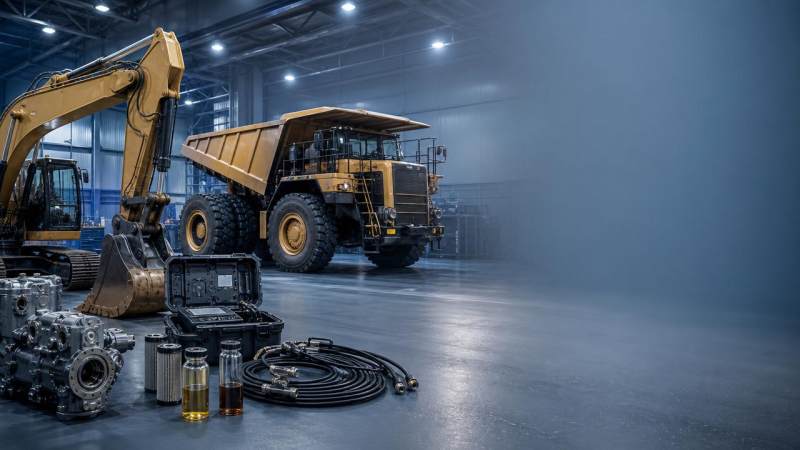
Why Heavy Equipment Maintenance Costs Rise Too Fast
Heavy equipment maintenance costs are rising faster than many service teams expect, driven by harsher duty cycles, complex electronics, parts volatility, and delayed diagnostics.
For after-sales maintenance professionals, the challenge is no longer just repairing machines.
It is controlling total lifecycle cost while keeping TBMs, excavators, cranes, road machinery, and mining trucks productive under extreme conditions.
This guide explains why heavy equipment maintenance expenses accelerate and how checklist-based control can reduce downtime, waste, and asset value loss.
Why Checklist-Based Heavy Equipment Maintenance Matters
Heavy machines rarely fail because of one isolated component.
A hydraulic leak may begin with contaminated oil, heat stress, loose fittings, poor filtration, or overload history.
Without structured inspection, heavy equipment maintenance becomes reactive, expensive, and difficult to measure.
A checklist converts field observations into repeatable decisions.
It helps compare service records, operating hours, oil data, fault codes, parts life, and operator feedback before failure escalates.
This method is especially important for global infrastructure fleets operating across mines, tunnels, ports, highways, and energy projects.
Core Checklist: Why Heavy Equipment Maintenance Costs Rise
- Track actual duty cycles, because extended loading, abrasive ground, steep haul roads, and hot environments shorten component life beyond standard service intervals.
- Audit fluid quality regularly, since dirty hydraulic oil, degraded coolant, and incorrect grease often cause expensive failures before visible symptoms appear.
- Review electronic fault codes early, as delayed diagnostics allow sensor errors, derating events, and control issues to become major repair work.
- Compare parts replacement history with operating hours, because repeated failures may indicate misalignment, overload, poor installation, or unsuitable component selection.
- Monitor idle time and fuel burn, as excessive idling increases engine wear, aftertreatment problems, lubrication degradation, and unnecessary service consumption.
- Inspect undercarriage and structural joints, since cracks, loose bolts, track wear, and bearing fatigue can multiply heavy equipment maintenance costs quickly.
- Validate operator practices, because aggressive braking, poor bucket loading, sharp steering, and improper warm-up routines accelerate mechanical deterioration.
- Check software updates and calibration, as modern machines depend on electronic control accuracy for safe operation and predictable maintenance planning.
- Measure parts availability risk, because delayed components increase downtime, rental replacement costs, emergency freight, and lost production capacity.
- Calculate lifecycle cost monthly, not yearly, so trends in maintenance spend are detected before they damage project margins.
1. Harsher Duty Cycles Compress Service Life
Many machines are now pushed harder than their original maintenance plans assumed.
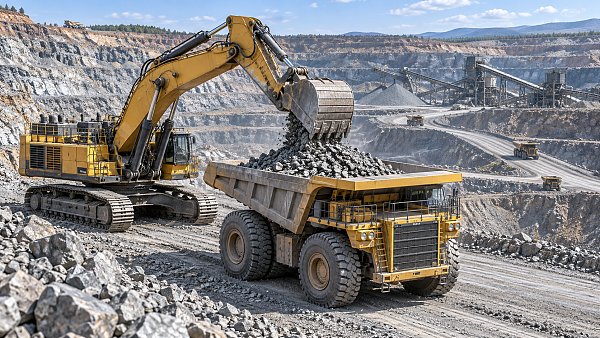
Open-pit excavators face continuous digging, shock loads, dust, and long operating shifts.
Mining dump trucks climb gradients under high payloads while working in heat, altitude, or freezing conditions.
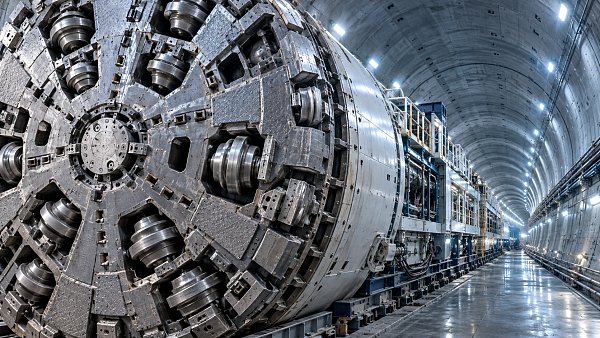
In tunnels, TBM cutterheads, seals, bearings, and conveyors face changing geology that can turn predictable wear into sudden failure.
When duty cycles intensify, heavy equipment maintenance intervals must be adjusted using real operating data.
Calendar-based maintenance alone can miss early degradation in machines working beyond normal assumptions.
2. Complex Electronics Increase Diagnostic Time
Modern heavy machinery contains advanced sensors, control modules, telematics, emission systems, and safety interlocks.
These systems improve productivity, but they also raise diagnostic complexity.
A small wiring fault can trigger derating, false alarms, or intermittent shutdowns that are difficult to reproduce.
This increases labor hours and slows repair confirmation.
Effective heavy equipment maintenance now requires electrical testing, software literacy, calibration control, and fault-code interpretation.
Ignoring electronic health creates hidden risk, especially in crawler cranes, road pavers, autonomous haulage systems, and electric mining trucks.
3. Parts Volatility Turns Repairs Into Downtime
Maintenance cost is not only the invoice for parts and labor.
It includes machine idle time, missed production, standby crews, delayed logistics, and emergency procurement.
Global supply volatility makes specialized components harder to secure.
Large tires, hydraulic pumps, slewing bearings, TBM cutters, drive motors, and electronic controllers may require long lead times.
Strategic heavy equipment maintenance should classify parts by failure impact, replacement frequency, supplier risk, and project criticality.
A low-cost part can become expensive if it stops a tunnel advance, crane lift, or mine haulage cycle.
4. Delayed Diagnostics Multiply Repair Scope
A warning sign rarely stays small on heavy machinery.
A minor vibration may become bearing failure.
A slow hydraulic response may lead to pump damage, valve contamination, or cylinder scoring.
Delayed inspections are a common reason heavy equipment maintenance costs rise faster than budgets.
Early diagnostics should combine oil analysis, thermal imaging, pressure testing, vibration checks, visual inspection, and telematics review.
This creates evidence before repair decisions are made.
5. Poor Data Discipline Hides Cost Signals
Maintenance records often contain work orders, parts lists, fault codes, and notes from different systems.
If these records are not linked, repeated cost patterns stay invisible.
A fleet may replace hoses, seals, filters, or sensors repeatedly without identifying the root cause.
Data-driven heavy equipment maintenance depends on clean records and consistent failure codes.
Useful indicators include cost per operating hour, mean time between failures, downtime per system, and emergency repair ratio.
These metrics convert maintenance activity into asset strategy.
Scenario Notes for Different Heavy Equipment Applications
TBM and Tunnel Construction
TBM maintenance costs rise when geology changes faster than inspection routines.
Cutter wear, seal damage, mucking problems, and conveyor failures can interrupt the entire tunneling rhythm.
Heavy equipment maintenance in tunneling should track cutter consumption, thrust pressure, torque variation, lubrication performance, and advance rate together.
Open-Pit Mining Excavators and Dump Trucks
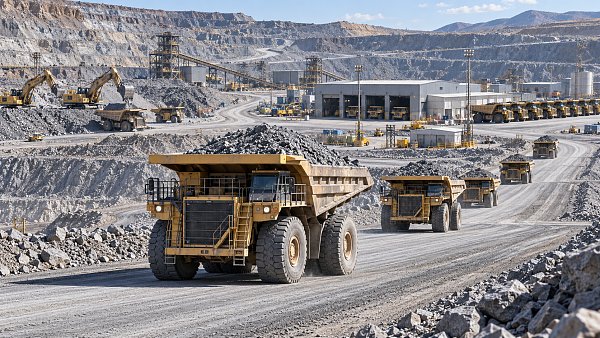
Mining fleets suffer from payload abuse, abrasive dust, tire damage, and continuous thermal stress.
Small inefficiencies quickly become large cost movements because utilization hours are high.
Heavy equipment maintenance planning should connect dispatch data, payload monitoring, oil sampling, tire pressure, haul-road condition, and operator behavior.
Crawler Cranes and Ultra-Large Lifting
Crawler cranes require strict structural, hydraulic, and control-system discipline.
A missed inspection can become a safety risk during wind power, petrochemical, or nuclear component lifting.
Heavy equipment maintenance here must emphasize load charts, boom inspection, wire rope condition, slew system health, and sensor calibration.
Large Road Machinery
Pavers, compactors, and milling machines lose value when precision systems drift.
Temperature control, screed settings, vibration systems, and electronic grade control affect both output quality and repair cost.
Heavy equipment maintenance for road machinery should include calibration checks before quality issues appear on finished surfaces.
Commonly Ignored Risks That Raise Costs
Ignoring contamination control. Dust, moisture, and metal particles damage hydraulic systems silently.
Filter changes are not enough if sampling, storage, transfer, and breather management are weak.
Skipping warm-up and cool-down discipline. Engines, hydraulic pumps, bearings, and turbochargers need controlled temperature transitions.
Poor routines shorten service life and increase heavy equipment maintenance frequency.
Treating symptoms instead of causes. Replacing a leaking hose may not solve pressure spikes, routing damage, vibration, or incorrect clamping.
Root-cause review prevents repeat repairs.
Underestimating software and calibration. A machine can be mechanically sound but electronically inefficient.
Uncalibrated sensors can create fuel waste, false derating, unstable control, or poor production quality.
Delaying small structural repairs. Cracks, loose fasteners, worn pins, and misaligned assemblies grow under vibration and impact.
Structural neglect often creates the most expensive heavy equipment maintenance events.
Practical Execution Plan for Cost Control
- Build a criticality map ranking machines by production impact, repair complexity, safety exposure, and parts lead-time vulnerability.
- Set condition-based intervals using oil analysis, telematics, pressure readings, vibration signals, temperature trends, and workload history.
- Create a repeat-failure review for components replaced more than once within a defined operating-hour threshold.
- Standardize inspection forms so technicians record measurements, not only comments, photographs, and general repair descriptions.
- Separate planned maintenance cost from breakdown cost to expose emergency repairs, overtime, freight premiums, and downtime losses.
- Secure critical spares through forecasted demand, supplier qualification, rebuild programs, and project-specific stock policies.
- Review operator data monthly to identify idling, overloads, harsh braking, abnormal fuel burn, and repeated alarm patterns.
- Align maintenance planning with production schedules, so inspections occur before peak load periods rather than after failures.
This execution plan makes heavy equipment maintenance more predictable.
It also reduces the conflict between uptime targets and long-term asset protection.
Decision Indicators Worth Tracking
Summary and Next Action
Heavy equipment maintenance costs rise too fast when machines work harder, diagnostics arrive late, and data remains fragmented.
Complex electronics, harsh environments, volatile parts supply, and weak operator discipline add further pressure.
The solution is not simply spending more on repairs.
The practical path is structured inspection, condition-based planning, accurate records, and stronger lifecycle cost control.
Start with a fleet cost audit covering the last six to twelve months.
Rank machines by downtime impact, repeat failures, parts risk, and cost per operating hour.
Then rebuild the heavy equipment maintenance checklist around the machines that carry the highest production and safety consequences.
This focused approach protects uptime, reduces total cost of ownership, and keeps critical infrastructure equipment working with power and precision.
Related News
 Oct 12, 2026How to Assess a High-Altitude Mining Equipment Manufacturer for Remote ProjectsHigh altitude mining manufacturer assessment guide: compare derating, cold-climate reliability, remote service, parts resilience, and lifecycle risk for smarter project decisions.
 Oct 11, 2026What Drives TBM Cutter Head Material Cost and Life-Cycle Value?Cutter head material cost explained: compare TBM alloys, wear protection, downtime risk, and life-cycle value to choose the most reliable, cost-effective solution.
 Oct 13, 2026Mining Haulage Services Procurement Checklist for Uptime and Cost ControlMining haulage services procurement checklist for stronger uptime, safer fleet selection, transparent pricing, and better cost control across changing mine conditions.
 Oct 12, 2026How to Read Mining Equipment Performance Reviews Beyond Headline MetricsMining equipment performance reviews explained: learn to assess productivity, availability, maintenance risk, site conditions, and total ownership cost for smarter fleet decisions.

Ms. Elena Rodriguez
Weekly Insights
Stay ahead with our curated technology reports delivered every Monday.