
Infrastructure Supply Intelligence Sourcing: How to Compare Vendors and Reduce Procurement Risk

In high-value infrastructure projects, vendor comparison rarely fails because of price alone. It fails when technical fit, delivery resilience, and operating reality are judged too late. That is why infrastructure supply intelligence sourcing matters. It turns procurement from a quote exercise into a disciplined review of capability, risk, and long-term value across complex supply chains.
The issue is especially visible in heavy industry. A TBM cutterhead, a crawler crane component, or a mining truck drivetrain can affect schedule, safety, financing, and total cost of ownership for years. In that context, infrastructure supply intelligence sourcing helps separate attractive offers from dependable partners.
What infrastructure supply intelligence sourcing really means
At its core, infrastructure supply intelligence sourcing is the structured use of market, technical, commercial, and geopolitical information to evaluate suppliers before commitments are made.
It is broader than supplier screening. It connects equipment specifications, project methods, logistics constraints, raw material exposure, compliance requirements, and after-sales capability into one decision framework.
For infrastructure, this matters because procurement decisions are rarely isolated. One vendor choice can influence installation sequencing, commissioning risk, spare parts strategy, and even insurance assumptions.
Why the topic is gaining weight across global infrastructure
Project teams now operate in a market shaped by longer lead times, uneven freight capacity, energy transition targets, and more visible trade restrictions. A vendor that looked competitive twelve months ago may carry very different risk today.
This is where informed sourcing creates an advantage. It gives decision makers a current picture of supplier health, manufacturing depth, localization strategy, and exposure to bottleneck materials.
The pattern is strong in sectors tracked by TF-Strategy. TBMs, ultra-large excavators, crawler cranes, road machinery, and mining dump trucks all depend on specialized parts, high-precision fabrication, and coordinated field support.
In these segments, intelligence is not abstract research. It is directly linked to delivery certainty, uptime, and contract performance in billion-dollar programs.
The comparison should move beyond headline price
A low bid can still be the highest-cost option once delays, rework, maintenance burden, and spare part shortages appear. Effective infrastructure supply intelligence sourcing shifts attention toward the full commercial picture.
Several dimensions usually deserve equal weight:
- Technical conformity to project conditions, not only to brochure specifications.
- Manufacturing capacity and the credibility of lead-time commitments.
- Field service reach, spare parts coverage, and response time.
- Lifecycle cost, including energy use, wear rates, and overhaul intervals.
- Exposure to sanctions, export controls, or raw material volatility.
- Financial resilience and the ability to absorb project disruptions.
Usually, the strongest supplier is not the one with the lowest number today. It is the one least likely to create hidden cost tomorrow.
Where vendor risk tends to hide
Procurement risk often sits below the first layer of comparison. A vendor may present a strong reference list but rely on outsourced subassemblies with unstable quality control.
Another supplier may offer acceptable pricing but source key hydraulic, electronic, or cutting components from regions under growing policy pressure.
For heavy equipment, hidden risk commonly appears in these areas:
A good sourcing process makes these issues visible early, when alternatives still exist.
How this applies across equipment-intensive scenarios
Different infrastructure categories require different lenses. The underlying method remains similar, but the signals change by application.
TBM and underground works
For TBM supply, attention should go to cutterhead metallurgy, geological adaptability, seal systems, and intervention support. Replacement parts timing can affect the whole tunneling schedule.
Infrastructure supply intelligence sourcing in this area also needs tender visibility and raw material awareness, especially for wear components and specialized steels.
Open-pit mining and heavy haulage
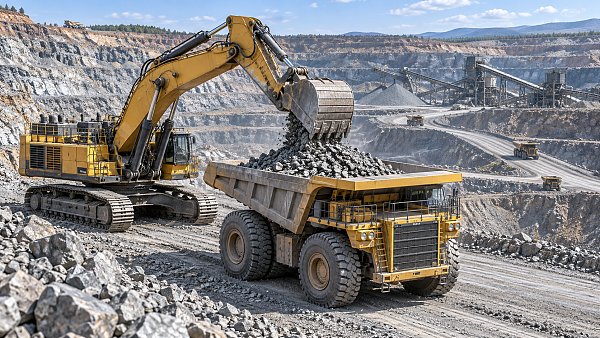
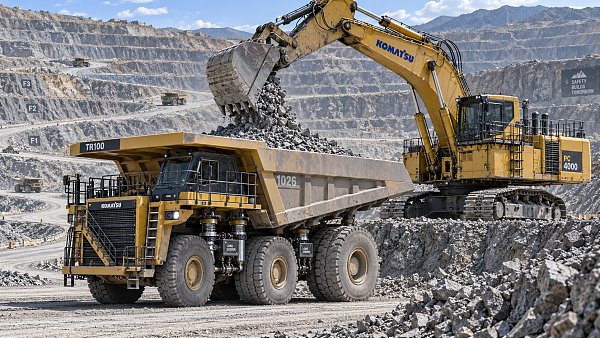
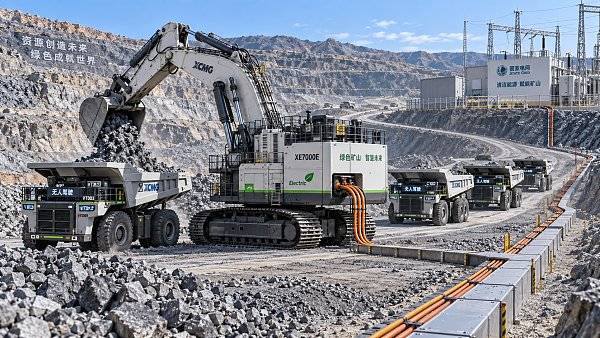
Ultra-large excavators and mining dump trucks should be compared through availability, payload performance, energy pathway, and service architecture in extreme environments.
A vendor with promising electrification claims may still face charging infrastructure gaps, battery sourcing concentration, or weak high-altitude reliability data.
Lifting, road building, and project assembly
Crawler cranes and road machinery add another layer. Assembly support, operator training, mobilization logistics, and uptime during compressed project windows often matter more than list price.
This is where intelligence tied to real deployment conditions becomes useful, not just catalog comparison.
A practical way to compare vendors with more precision
The most reliable evaluations use a weighted framework. That keeps complex judgments consistent across suppliers and reduces the influence of aggressive sales positioning.
A workable review model often includes:
- Operational fit: site conditions, production targets, and integration requirements.
- Supplier capability: engineering depth, fabrication quality, and project execution record.
- Supply continuity: component origin, inventory policy, and logistics flexibility.
- Commercial terms: payment structure, warranty scope, escalation clauses, and performance commitments.
- Lifecycle economics: maintenance intervals, energy draw, consumables, and residual value.
- External risk: policy shifts, sanctions, freight exposure, and environmental compliance pressure.
This is where infrastructure supply intelligence sourcing becomes practical rather than theoretical. It supplies the evidence behind each score.
Why intelligence sources matter as much as the framework
A scoring sheet is only as useful as the information behind it. Outdated references, generic brochures, and curated plant visits rarely expose the full picture.
Stronger sourcing decisions usually combine project tender tracking, supplier shipment signals, material trend analysis, field performance references, and regulatory monitoring.
This is the logic behind specialized platforms such as TF-Strategy. By linking physical machinery parameters, construction methods, and strategic demand signals, intelligence becomes more decision-ready.
That is particularly useful when assessing topics such as 5G remote-controlled excavation, TBM cutterhead material evolution, or the commercial viability of pure electric mining trucks.
What to do before the final sourcing decision
Before award, the comparison should be stress-tested against realistic disruptions. A vendor that wins under ideal assumptions may fail under shipping delays, raw material spikes, or field service shortages.
Three checks are especially useful:
- Run a downside scenario on delivery, commissioning, and spare parts availability.
- Verify which performance claims are backed by comparable operating conditions.
- Confirm where contract protections end and operational exposure begins.
That discipline helps reduce procurement risk without slowing decisions unnecessarily.
Turning sourcing intelligence into better project outcomes
Infrastructure supply intelligence sourcing is most valuable when it supports choices early enough to change outcomes. It should shape vendor shortlists, negotiation strategy, contingency planning, and post-award monitoring.
For complex infrastructure, the next step is rarely to gather more information in general. It is to define the few parameters that truly drive risk, compare suppliers against those parameters, and revisit assumptions as market conditions move.
A disciplined review of capability, resilience, and lifecycle economics creates better decisions than price comparison alone. In a market where execution risk is expensive, that shift is no longer optional.
Related News
 Oct 12, 2026How to Assess a High-Altitude Mining Equipment Manufacturer for Remote ProjectsHigh altitude mining manufacturer assessment guide: compare derating, cold-climate reliability, remote service, parts resilience, and lifecycle risk for smarter project decisions.
 Oct 11, 2026What Drives TBM Cutter Head Material Cost and Life-Cycle Value?Cutter head material cost explained: compare TBM alloys, wear protection, downtime risk, and life-cycle value to choose the most reliable, cost-effective solution.
 Oct 12, 2026How to Read Mining Equipment Performance Reviews Beyond Headline MetricsMining equipment performance reviews explained: learn to assess productivity, availability, maintenance risk, site conditions, and total ownership cost for smarter fleet decisions.
 Oct 11, 2026Payload Management Systems: Preventing Overloads Without Slowing ProductionPayload management helps prevent overloads, protect equipment, and keep production moving. Learn how accurate targets, pass planning, alerts, and calibration improve every load.



Prof. Marcus Chen
Weekly Insights
Stay ahead with our curated technology reports delivered every Monday.