
Heavy Equipment Emission Standards Explained: Tier, Stage, and Compliance Differences
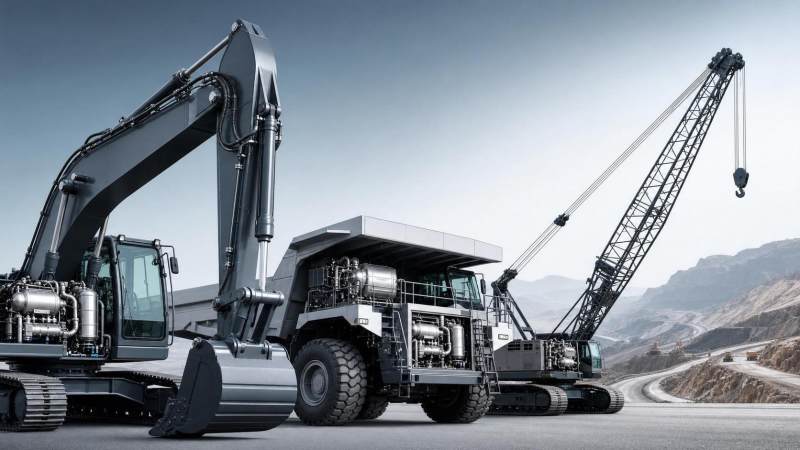
Heavy equipment emission standards now influence far more than engine certification. They affect where a machine can work, how a project passes inspection, and how operational risk is managed over time.
For fleets used in tunneling, mining, lifting, and road construction, the difference between Tier and Stage rules can shape procurement, maintenance planning, and cross-border deployment.
That is why heavy equipment emission standards have become a practical decision issue, not only a regulatory topic. In heavy industry, compliance links directly to uptime, bid eligibility, and environmental accountability.
Why emission standards matter in heavy equipment
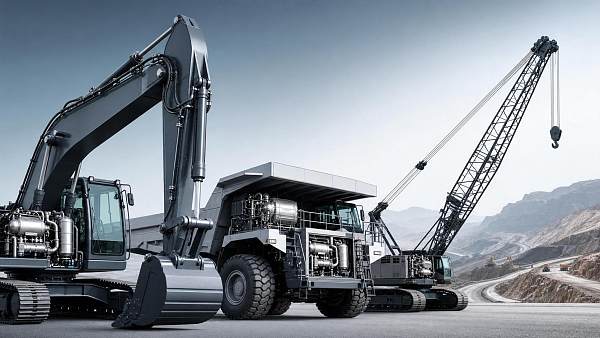
Non-road diesel engines power excavators, crawler cranes, dump trucks, pavers, and many support machines. These engines operate under high loads, often for long shifts in sensitive or restricted environments.
Emission rules are designed to limit pollutants such as nitrogen oxides, particulate matter, hydrocarbons, and carbon monoxide. The goal is cleaner air, but the business effect is broader.
A machine that does not meet local standards may face entry limits, retrofit costs, permit delays, or outright rejection from a jobsite. In enclosed or urban worksites, the exposure risk becomes even more serious.
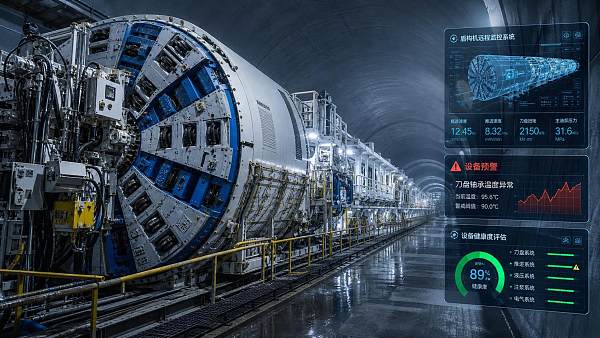
This is especially relevant in the sectors tracked by TF-Strategy. TBM support fleets, open-pit mining units, and ultra-large lifting machinery often move between jurisdictions where emission rules are not aligned.
Tier and Stage: similar purpose, different systems
When people discuss heavy equipment emission standards, two naming systems appear most often: U.S. Tier and EU Stage. Both regulate non-road mobile machinery, but they are not identical labels for the same framework.
The U.S. Environmental Protection Agency uses the Tier sequence. Europe uses Stage requirements. Each step generally reflects tighter limits and more advanced aftertreatment technology.
Simple comparisons can be helpful, but direct one-to-one matching is not always accurate. Test methods, engine power bands, implementation dates, and documentation rules may differ.
A practical comparison
In general terms, Tier 4 Final and Stage V represent current high-control benchmarks in many diesel applications. Still, site acceptance depends on the exact local rule, not on assumptions.
What changed as standards became stricter
Earlier engines relied more on internal combustion tuning. Newer engines often depend on a combination of exhaust gas recirculation, diesel oxidation catalysts, diesel particulate filters, and selective catalytic reduction.
That technical shift changed the compliance conversation. Heavy equipment emission standards are now tied to fuel quality, urea supply, sensor health, regeneration cycles, and software diagnostics.
For site control, this means emissions cannot be treated as a one-time purchasing checkbox. A compliant machine can become a practical compliance problem if maintenance discipline is weak.
In remote mines or mountain projects, logistics add another layer. Low-grade fuel, inconsistent DEF supply, or poor service access can create faults that interrupt both production and compliance status.
Where compliance differences show up in real projects
The most visible differences appear when fleets cross borders or work under mixed contract conditions. A machine accepted in one country may require further proof, retrofit review, or operational restriction elsewhere.
Urban tunneling is a clear example. Support equipment around a TBM launch shaft may face stricter local air rules than the main civil package first suggests.
Road machinery also sees frequent scrutiny. Public infrastructure contracts often specify emission thresholds in bid documents, and compliance records may be checked before mobilization.
In open-pit mining, the issue is sometimes less about city regulation and more about corporate ESG targets, lender expectations, and workforce health in dust-heavy operating zones.
Common pressure points
- Imported used equipment with incomplete emission documentation
- Engine replacements that do not match the original certification basis
- Aftertreatment tampering, bypass, or poor regeneration management
- Tender clauses using local wording that differs from OEM marketing labels
- Low utilization assumptions that ignore idle emissions in restricted zones
How to read heavy equipment emission standards correctly
A useful starting point is to separate three questions: what standard the engine was certified to, what rule the site requires, and what condition the machine is actually operating in.
Those answers do not always line up automatically. Compliance can fail through paperwork gaps, hardware mismatch, or field conditions that trigger persistent derating or fault codes.
For that reason, heavy equipment emission standards should be reviewed alongside machine serial data, engine family records, service history, and local enforcement practice.
What to verify before deployment
- Engine emission label and certification reference
- Applicable national, regional, and project-specific rule set
- Fuel sulfur requirement and DEF availability
- DPF, SCR, and sensor maintenance status
- Idle management and enclosed-area ventilation controls
- Inspection records, import papers, and retrofit declarations
Implications for quality, safety, and asset decisions
Emission compliance sits close to both quality assurance and safety control. A poorly maintained aftertreatment system can increase exhaust exposure, create fire risk from hot components, or reduce engine reliability.
It also affects asset economics. Lower-priced equipment may look attractive until retrofit costs, downtime, restricted access, and resale limitations are included in the full calculation.
This is where intelligence matters. TF-Strategy’s focus on machine parameters, construction methods, and strategic infrastructure demand reflects the real nature of emission decisions: they are technical, operational, and commercial at the same time.
In sectors such as ultra-large excavators, crawler cranes, and mining dump trucks, the right judgment often comes from comparing duty cycle, region, service ecosystem, and compliance horizon together.
A workable approach for the next review cycle
When reviewing a fleet or a planned purchase, start with a simple map of machine type, engine standard, operating territory, and project duration. That usually exposes the highest-risk gaps quickly.
Then check whether the site needs baseline legal compliance only, or a tighter internal benchmark driven by contract language, urban air controls, or sustainability commitments.
From there, heavy equipment emission standards become easier to manage as an operating framework. The issue is no longer abstract regulation. It becomes a set of verifiable conditions tied to access, safety, and performance.
The next useful step is to build a comparison sheet for current assets and planned deployments, then review documentation, service support, and local rule changes before mobilization decisions are locked.
Related News
 Sep 27, 2026Heavy Equipment Selection Factors for Matching Machine Capacity to Jobsite ConditionsHeavy equipment selection factors for matching capacity to jobsite conditions, improving productivity, safety, fleet efficiency, and total project cost control.
 Sep 26, 2026How to Select Wind Rotor Lifting Equipment for Safe Blade and Hub InstallationWind rotor lifting equipment selection guide: ensure safe blade and hub installation with the right lift method, load control, crane compatibility, wind limits, and compliance.
 Sep 25, 2026What Drives Heavy Haulage Cost on Oversized Construction Equipment Moves?Heavy haulage cost explained: discover how load dimensions, route surveys, permits, escorts, lifting plans, and scheduling shape reliable oversized equipment transport budgets.
 Sep 24, 2026Supplier Management Frameworks That Reduce Delays on Large Construction ProjectsLarge-scale construction projects supplier management frameworks help prevent costly delays with risk-based controls, milestone tracking, quality oversight, and escalation plans for critical packages.

Dr. Alistair Vaughn
Weekly Insights
Stay ahead with our curated technology reports delivered every Monday.