
Construction Methodology for Heavy Equipment: A Practical Guide to Site Planning and Safety Coordination
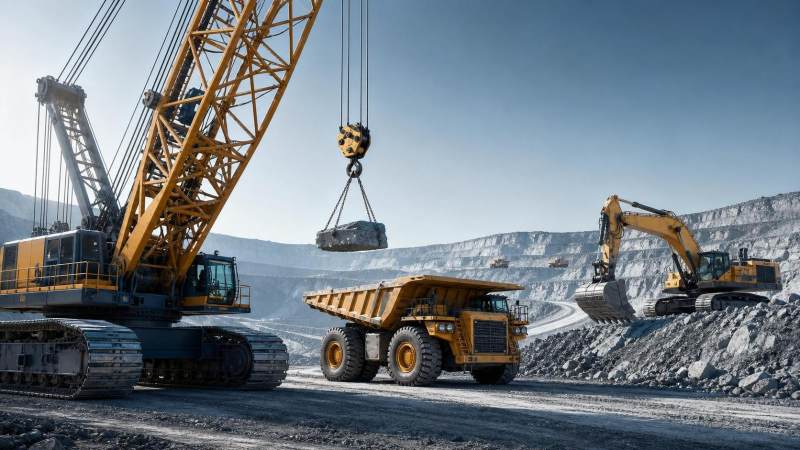
Construction Methodology for Heavy Equipment: A Practical Guide to Site Planning and Safety Coordination
In heavy industrial projects, a clear construction methodology for heavy equipment keeps planning efficient, risks controlled, and teams aligned.
It links machine capability, logistics sequencing, and safety coordination from first mobilization to final demobilization.
That matters even more when projects involve TBM systems, crawler cranes, mining trucks, large excavators, or road machinery.
A practical construction methodology for heavy equipment is not just a document.
It is the operating logic behind site access, lifting plans, haul routes, temporary works, and emergency control.
When this logic is weak, schedule pressure usually turns into congestion, unsafe overlaps, and expensive rework.
When it is strong, crews make faster decisions because the rules of movement and coordination are already clear.
This guide focuses on methods that help complex sites stay productive, predictable, and safe under real operating conditions.
Start with operating reality, not just equipment lists
A reliable construction methodology for heavy equipment starts with the job sequence, not the machine brochure.
The first question is simple.
What exactly must happen on site, in what order, under which physical limits?
From recent project changes, the clearer signal is that machine size alone no longer defines success.
Ground bearing pressure, turning radius, assembly footprint, and transport windows often drive the real plan.
For TBM logistics, that may mean segment storage, backup train access, ventilation corridors, and shaft lifting sequence.
For crawler cranes, it may mean mat design, boom assembly zones, exclusion boundaries, and wind-related stoppage points.
In open-pit works, haul gradients, dump zone stability, and refueling positions can reshape the whole construction methodology for heavy equipment.
Key planning inputs
- Site topography, geotechnical limits, and seasonal weather exposure.
- Equipment dimensions, axle loads, lifting charts, and maintenance needs.
- Workfront interfaces between civil, mechanical, electrical, and logistics teams.
- Permits, transport restrictions, utility conflicts, and community constraints.
- Emergency access, evacuation routes, and rescue equipment readiness.
Once these inputs are mapped early, the construction methodology for heavy equipment becomes much easier to defend and execute.
Build the site around movement and interaction
Many planning failures come from static layouts.
Sites look organized on paper, yet they fail once heavy equipment starts moving at full scale.
A better construction methodology for heavy equipment treats the site as a live traffic system.
That means designing routes, buffers, laydown areas, and crossing rules around real machine behavior.
In actual operations, interaction points create most delays.
Think of crane picks crossing truck roads, excavators loading near public access, or TBM supply trains sharing constrained tunnels.
These moments require spatial control and time control.
Without both, even a technically sound plan can become unstable.
Practical site planning rules
- Separate one-way heavy traffic where possible.
- Protect crane swing zones from vehicle intrusion.
- Keep refueling, maintenance, and wash-down areas away from active lifts.
- Reserve contingency space for breakdown recovery and weather stoppages.
- Match storage areas to installation sequence, not supplier delivery convenience.
This is where a mature construction methodology for heavy equipment saves both time and working capital.
Use phased sequencing to reduce risk concentration
Heavy equipment projects rarely fail because one task is difficult.
They fail because too many difficult tasks happen at the same time.
A strong construction methodology for heavy equipment breaks work into controlled phases with clear entry and exit criteria.
This also improves communication because every team knows what must be true before the next phase begins.
For example, mobilization should not only track delivery dates.
It should confirm road readiness, ground verification, permit closure, lifting studies, and operator competency.
The same applies to commissioning or production start.
Performance targets should only begin after mechanical integrity, safety checks, and interface tests are closed out.
Typical phase structure
- Pre-mobilization review and site constraint mapping.
- Transport arrival, unloading, and assembly control.
- Trial movement, test lifting, or dry-run operations.
- Production execution with daily interface management.
- Demobilization, recovery, and lessons captured.
This phased structure makes the construction methodology for heavy equipment easier to audit and refine.
Make safety coordination part of production control
Safety cannot sit beside operations as a parallel conversation.
In an effective construction methodology for heavy equipment, safety coordination is built into production decisions.
That includes shift timing, task release, access control, communication protocols, and stop-work triggers.
One clear trend across global infrastructure projects is tighter tolerance for interface risk.
The problem is rarely a single machine fault.
It is more often a coordination gap between operators, riggers, spotters, surveyors, and supervisors.
This means daily safety control should focus on interaction risk, not only compliance paperwork.
High-value coordination practices
- Run pre-task briefings around the exact workfront, not generic toolbox scripts.
- Assign one interface lead where multiple contractors share the same zone.
- Use hold points for wind, visibility, slope change, or ground softening.
- Confirm radio channels, hand signals, and emergency call trees every shift.
- Record near misses linked to coordination, then adjust the method immediately.
In practice, this is where the construction methodology for heavy equipment becomes a living control system.
Choose metrics that reflect field performance
A methodology is only useful if site leaders can see whether it is working.
That is why a practical construction methodology for heavy equipment needs field-based indicators.
Avoid metrics that look polished but say little about control quality.
A better mix combines productivity, stability, and safety signals.
These indicators help refine the construction methodology for heavy equipment without waiting for major failure.
Turn methodology into a repeatable project advantage
The best teams do not reinvent their method on every project.
They adapt a proven construction methodology for heavy equipment to local ground, scope, and stakeholder conditions.
That approach creates speed without cutting discipline.
It also supports better cost control because risk responses are planned before disruption becomes expensive.
For organizations following global heavy equipment trends, this is increasingly important.
Projects are getting larger, interfaces are denser, and expectations around safety and delivery quality keep rising.
That is exactly why structured intelligence matters.
TF-Strategy follows the real connection between machine parameters, construction methods, and strategic infrastructure demands.
From TBM deployment to heavy lifting and mining haulage, execution quality depends on informed planning choices.
A practical construction methodology for heavy equipment gives those choices structure.
Start by mapping site constraints.
Then organize movement, phase the work, tighten interface control, and measure what happens in the field.
When methodology becomes operational, heavy equipment projects move with more precision, less friction, and stronger safety performance.
Related News
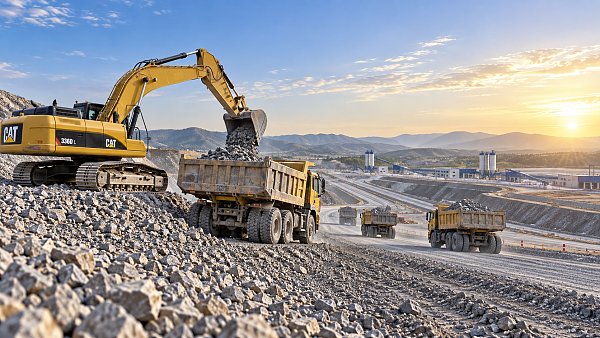
 Sep 27, 2026Heavy Equipment Selection Factors for Matching Machine Capacity to Jobsite ConditionsHeavy equipment selection factors for matching capacity to jobsite conditions, improving productivity, safety, fleet efficiency, and total project cost control.
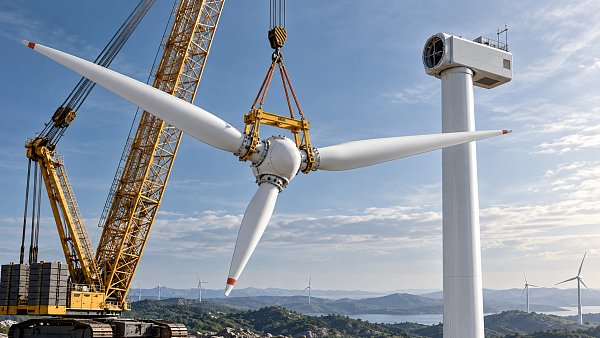
 Sep 26, 2026How to Select Wind Rotor Lifting Equipment for Safe Blade and Hub InstallationWind rotor lifting equipment selection guide: ensure safe blade and hub installation with the right lift method, load control, crane compatibility, wind limits, and compliance.
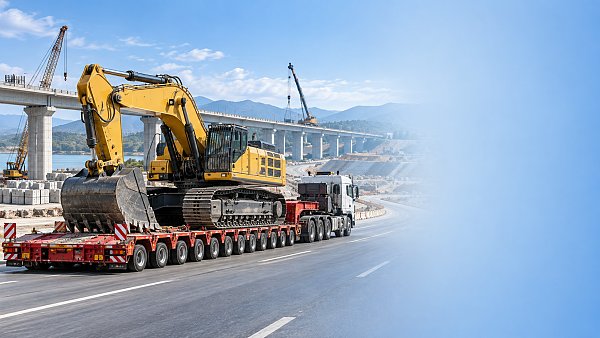
 Sep 25, 2026What Drives Heavy Haulage Cost on Oversized Construction Equipment Moves?Heavy haulage cost explained: discover how load dimensions, route surveys, permits, escorts, lifting plans, and scheduling shape reliable oversized equipment transport budgets.
 Sep 24, 2026Supplier Management Frameworks That Reduce Delays on Large Construction ProjectsLarge-scale construction projects supplier management frameworks help prevent costly delays with risk-based controls, milestone tracking, quality oversight, and escalation plans for critical packages.


Dr. Alistair Vaughn
Weekly Insights
Stay ahead with our curated technology reports delivered every Monday.