
How to Choose TBM Components for an EPB Machine: Key Parts, Wear Points, and Fit
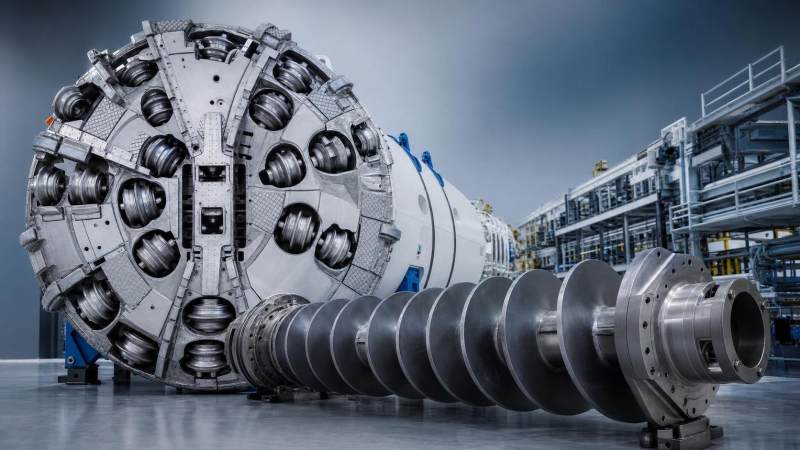
Choosing TBM components for EPB machine performance is rarely a matter of buying the hardest part or the lowest-price replacement. In practice, component fit sits at the intersection of geology, pressure balance, maintenance access, and machine-specific design. A cutter tool that performs well in one metro package may fail early in another if fines content, boulder frequency, conditioning regime, or torque pattern changes.
That is why the topic matters across the broader heavy-equipment chain. EPB tunneling now supports dense urban transit, utility corridors, and mountain access works where downtime costs are high and intervention windows are narrow. For an intelligence-led platform such as TF-Strategy, the real value lies in linking part selection with operating conditions, lifecycle cost, and project delivery risk rather than treating spare parts as isolated items.
What fit really means in an EPB component decision
For TBM components for EPB machine applications, fit is both mechanical and operational. Mechanical fit covers dimensions, interfaces, tolerances, bolt patterns, metallurgy, sealing geometry, and load rating. Operational fit is wider. It asks whether the part can sustain the actual ground mix, pressure fluctuations, slurry-like paste movement, abrasion level, and planned maintenance cycle.
An EPB machine keeps face stability by balancing excavated soil under pressure. That means several components work under combined loading. Wear does not come only from cutting. It also comes from confinement, torque spikes, clogging, vibration, and abrasive recirculation. A technically correct selection therefore compares the part against the whole excavation system, not against a catalog line alone.
The parts that usually deserve first attention
Most reviews of TBM components for EPB machine fleets begin at the cutterhead, but a useful assessment goes farther. Wear and failure often migrate from one subsystem to another. A poorly matched consumable can increase load on bearings, seals, or spoil handling components.
Cutterhead tools and structure
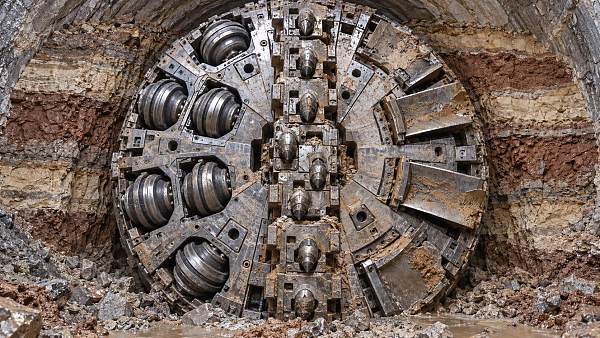
Disc cutters, scrapers, ripper tools, buckets, wear plates, and tool holders shape the first contact with the face. The selection depends on mixed ground probability, rock strength, cobble content, expected conditioning response, and intervention strategy.
Tool retention details matter more than they sometimes appear. If holders wear unevenly or locking interfaces loosen, the resulting movement accelerates tool loss and damages nearby plates. Structural reinforcement around high-load zones should therefore be part of the review.
Screw conveyor and discharge path
The screw conveyor is central to pressure control and muck extraction. Flights, central shaft, casing liners, inlet zone, and discharge gates face intense abrasion, sticky fines, and intermittent overloads. In many EPB drives, these are the real wear bottlenecks.
Material hardness alone is not enough here. Build-up behavior, anti-clogging geometry, replaceable liner logic, and welding repair practicality affect availability just as much as nominal wear resistance.
Main bearing support, seals, and lubrication interfaces
Main bearing failure is costly and disruptive, but smaller adjacent parts often signal the risk earlier. Seal packages, grease channels, sealing lips, and contamination barriers deserve careful specification. Fine abrasive ingress can shorten bearing life long before vibration trends become obvious.
Shield, wear liners, and articulated areas
Wear liners on the bulkhead, screw inlet, transfer chutes, and shield contact areas absorb constant abrasion. In curved alignments or difficult steering conditions, articulation-related wear can become more relevant than basic cutter consumption.
Where wear usually starts, and why it spreads
Common wear points in TBM components for EPB machine operation are rarely random. They usually reflect a mismatch between ground behavior and component design assumptions. Mixed-face conditions are a frequent trigger. Soft soil with intermittent hard inclusions can create unstable loading, local impact, and uneven cutter distribution.
Conditioning quality also changes wear patterns. If foam or additives do not create stable plasticity, spoil may become too dry, too sticky, or too segregated. Then flights, casing liners, discharge gates, and internal transfer surfaces wear faster. In parallel, torque demand may rise and affect seals or rotating interfaces.
Another spread mechanism is delayed replacement. Running a worn holder, liner, or edge beyond its service threshold often damages the parent structure. That shifts a consumable issue into a fabrication, alignment, or downtime problem.
Current selection pressure in the market
The market is paying closer attention to TBM components for EPB machine reliability because projects are becoming less tolerant of schedule drift. Urban tunneling contracts often carry tight settlement controls, compressed possessions, and stricter traceability requirements for critical parts.
There is also a materials story behind component decisions. Wear-resistant steels, hardfacing methods, carbide configurations, and seal compounds are evolving. TF-Strategy’s broader heavy-industry lens is useful here because the same procurement pressure seen in mining and lifting equipment also shapes TBM spare availability, repair strategy, and total cost of ownership.
Digital monitoring is another factor. More operators now compare consumption rates, torque history, intervention frequency, and spoil behavior in near real time. That makes poor-fit parts easier to detect, but it also raises the standard for technical justification at the selection stage.
A practical way to evaluate component fit
A useful review starts with the ground model, then moves through machine architecture, and only then reaches brand or price comparison. For TBM components for EPB machine service, these questions tend to separate a robust specification from a weak one.
- What is the likely mix of clay, sand, gravel, cobbles, and hard inclusions along the drive?
- How stable is the conditioning envelope under expected groundwater and fines variability?
- Which parts are true consumables, and which failures would damage surrounding structures?
- Can the component be replaced within the available intervention method and time window?
- Is the supplier data based on comparable geology and comparable TBM operating parameters?
- What is the repair path if wear occurs earlier than forecast?
This approach keeps selection grounded in project reality. It also prevents a common mistake: overvaluing isolated hardness or nominal life while underestimating maintainability and interaction with neighboring parts.
Look beyond unit price
Lower unit price can still produce higher lifecycle cost if a component increases intervention frequency or shortens the life of another assembly. In EPB work, one extra stoppage may cost more than the price difference across an entire spare package.
Check evidence quality
Supplier references are most useful when they include geology, advance rate, pressure range, spoil conditioning pattern, and measured wear outcome. Without that context, “successful use” tells very little about fit.
How these choices translate into project value
Well-matched TBM components for EPB machine operation support more than production. They stabilize maintenance planning, reduce uncertainty in spare forecasting, and protect quality outcomes such as face control and segment installation rhythm. The commercial effect is often seen in fewer disruptions rather than dramatic headline gains.
This matters especially where infrastructure programs are scaling under urbanization and energy transition pressure. Whether the tunnel serves metro expansion, utility resilience, or transport links, component decisions influence schedule confidence and asset handover quality. In that sense, parts strategy belongs inside project strategy.
Useful next steps before locking a specification
A disciplined next step is to build a component matrix around the drive’s highest-risk zones. List key TBM components for EPB machine service, expected wear drivers, replacement method, consequence of failure, and evidence basis for the selected material or design.
Then compare that matrix against actual project constraints: intervention access, available stock, welding repair capability, supplier lead time, and data from comparable drives. That produces a stronger specification than relying on generic “heavy-duty” claims.
For ongoing evaluation, it is worth tracking component performance the same way leading heavy-equipment sectors already track duty cycles and wear economics. That perspective, which aligns with TF-Strategy’s intelligence model, helps turn spare-part selection into a measurable engineering decision rather than a reactive purchasing task.
Related News
 Oct 03, 2026How to Assess TBM Manufacturers for Hard-Rock Tunneling Projects?Choose the right tunnel boring machine manufacturer for hard-rock projects. Explore key criteria for design, lifecycle cost, factory quality, and service support.
 Oct 02, 2026How to Evaluate Heavy Equipment Technology Suppliers for Fleet Uptime and SupportHeavy equipment technology suppliers can make or break fleet uptime. Learn how to assess diagnostics, data access, parts, service coverage, and support terms before you buy.
 Oct 01, 2026How to Use Technical References to Benchmark Industrial Equipment PricesIndustrial equipment technical reference pricing: learn how to normalize specifications, scope, service life, and operating costs to benchmark quotes accurately and choose the best-value equipment.
 Sep 30, 2026What Does an Ultra-Large Excavator Really Cost Over Its Service Life?Ultra-large excavators cost far more than purchase price. Explore lifecycle expenses, uptime risks, energy use, maintenance, and cost-per-tonne insights.
Geological Boring Fellow
Weekly Insights
Stay ahead with our curated technology reports delivered every Monday.