
Heavy Machinery Components: Which Specifications Matter Most for Service Life?
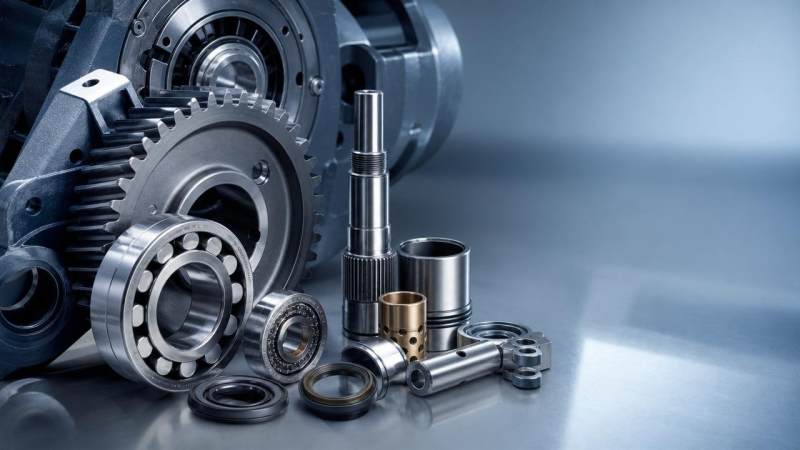
Heavy Machinery Components: Which Specifications Matter Most for Service Life?
For after-sales maintenance work, service life rarely depends on one number alone.
A component may look correct on paper, yet fail early in real operation.
That usually happens when key specifications are checked in isolation.
For heavy machinery components, the real question is not just compatibility.
The better question is whether the specification set supports long service life.
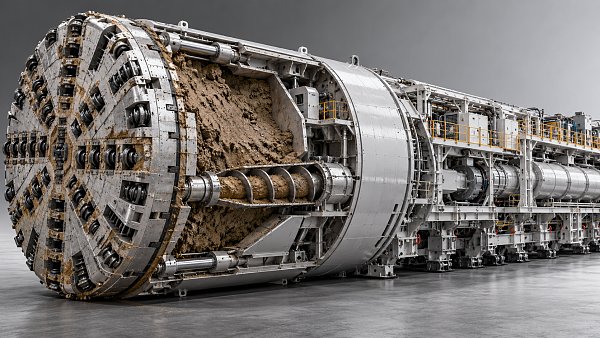
This matters across TBM systems, mining excavators, crawler cranes, road machinery, and heavy haulage fleets.
When selection is done well, wear slows down, downtime drops, and replacement cycles become more predictable.
Why Service Life Depends on Specification Matching
Heavy machinery components work under shock, dust, heat, vibration, and long duty cycles.
Because of that, a single strong parameter cannot guarantee durability.
A high-strength pin may still fail if hardness is uneven.
A premium seal may still leak if shaft tolerance is off.
A bearing with enough static load rating may still wear fast under contamination.
That is why heavy machinery components should be judged as a working system, not as isolated parts.
The five specification groups that matter most
- Material grade and chemical composition
- Heat treatment depth and hardness consistency
- Load rating under actual duty conditions
- Tolerance, fit, and surface finish control
- Sealing and contamination resistance
In most maintenance decisions, these five areas explain most life-cycle differences between similar-looking parts.
Material Grade: The Starting Point for Heavy Machinery Components
Material grade is the first filter because it defines the basic resistance profile.
Wear resistance, fatigue strength, impact toughness, and corrosion tolerance all begin here.
In mining or tunneling, components often face abrasive fines and repeated shock loads.
In crane or road equipment, cyclic stress and alignment stability may dominate.
So the right question is not simply which alloy is stronger.
The better question is which material profile matches the failure mode seen in service.
What to verify during selection
- Base alloy standard and certified material traceability
- Impact toughness at expected working temperature
- Resistance to abrasion, pitting, or corrosive media
- Weldability or machinability if field repair is likely
When heavy machinery components fail early, material substitution without full disclosure is often a hidden reason.
Heat Treatment: The Specification That Changes Real Durability
Heat treatment has a bigger effect on service life than many teams expect.
Two parts with the same alloy can perform very differently after processing.
Case depth, core toughness, residual stress, and hardness spread all matter.
This is especially true for gears, pins, bushings, rollers, shafts, and cutter-related parts.
If heat treatment is too hard, cracking risk rises. If too soft, wear accelerates.
Key checks that support longer life
- Hardness range instead of one nominal value
- Effective case depth for loaded contact surfaces
- Core hardness for impact absorption
- Distortion control after treatment and finishing
- Testing records from each production batch
For heavy machinery components, heat treatment quality often separates a reliable spare from a risky short-life substitute.
Load Rating: Use Real Duty, Not Catalog Theory
Load rating is one of the most misunderstood specifications in heavy machinery components.
Catalog values are useful, but they assume defined conditions.
Field conditions rarely stay that clean or stable.
Start-stop cycles, side loads, overload peaks, misalignment, and contamination all change the picture.
That means rated capacity should always be translated into actual working severity.
Questions worth asking before approval
- Is the load mostly steady, cyclic, or impact-driven?
- Does the component see side force or bending?
- Are peak loads recorded from real machine data?
- Is there a safety factor for abnormal but predictable events?
- Will temperature or altitude reduce effective performance?
From a decision standpoint, the best heavy machinery components are not the strongest on paper.
They are the ones sized correctly for the real duty envelope.
Tolerance and Surface Finish: Small Numbers, Big Consequences
Many service life problems start with fit and finish, not with material failure.
If tolerance is loose, movement grows and wear speeds up.
If fit is too tight, heat and stress increase during operation.
Surface roughness also shapes lubrication film behavior and seal contact quality.
This area is often overlooked when replacing heavy machinery components under time pressure.
Critical dimensional points to confirm
- Shaft and bore tolerance class
- Roundness, cylindricity, and runout
- Surface roughness on sealing and bearing zones
- Coating thickness where applicable
- Stack-up effect with adjacent mating parts
In practical maintenance, dimension control is one of the fastest ways to avoid repeat failures after replacement.
Sealing Performance: Protection Often Determines the Winner
Even well-made heavy machinery components lose life quickly when contaminants enter the system.
Dust, slurry, water, and metal fines are common killers in harsh equipment environments.
A better seal specification often creates more value than a stronger metal upgrade.
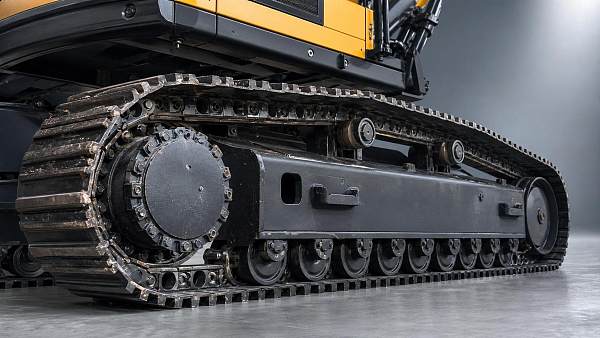
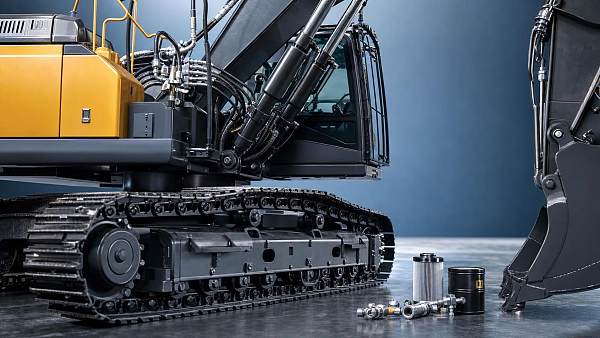
That is especially obvious in undercarriage systems, hydraulic assemblies, rotating shafts, and wheel-end positions.
If contamination control fails, bearing life, lubricant life, and fit stability all decline together.
Seal-related specifications that deserve attention
- Seal material compatibility with oil, heat, and pressure
- Lip design for speed, dust, or slurry exposure
- Ingress protection under washdown or wet cycles
- Ventilation or pressure-balancing design
- Shaft finish requirements for proper seal contact
In many cases, the longest-lasting heavy machinery components are simply the best-protected ones.
How to Evaluate Heavy Machinery Components More Effectively
A good evaluation process should be fast, repeatable, and tied to failure history.
That helps reduce subjective decisions during urgent maintenance events.
It also makes supplier comparison much clearer.
A practical selection checklist
- Define the actual failure mode first, not just the failed part number.
- Match material and heat treatment to that failure mode.
- Verify real load conditions from operation records if available.
- Check tolerance, finish, and mating part condition together.
- Review seal design for the contamination level on site.
- Request batch certificates for critical heavy machinery components.
- Track service hours after installation and compare by supplier.
This process turns replacement from a reactive task into a measurable life-cycle decision.
Common Selection Mistakes That Shorten Service Life
Several mistakes appear again and again across heavy equipment fleets.
Most of them come from speed, missing data, or overreliance on nominal compatibility.
- Choosing by dimensions only, without checking heat treatment or tolerance class
- Using static ratings where shock loading drives the failure pattern
- Ignoring contamination pathways around otherwise strong heavy machinery components
- Replacing one part while leaving damaged mating surfaces untouched
- Accepting incomplete certificates for critical wear or load-bearing parts
Avoiding these mistakes usually delivers faster payback than chasing premium specifications everywhere.
Final Takeaway
When judging heavy machinery components, service life comes from specification balance.
Material grade matters, but heat treatment can change the outcome.
Load rating matters, but only under real duty conditions.
Tolerance and sealing matter because they protect every other performance advantage.
In actual business, the most reliable decision is usually the most complete one.
Use failure mode, operating data, and certification records together.
That approach helps heavy machinery components last longer, reduces repeat interventions, and supports lower total lifecycle cost.
Related News
 Oct 25, 2026Comparing Industrial Equipment Suppliers: Lead Times, Warranties, and ServiceMake a smarter industrial equipment supplier comparison. Explore lead times, warranty coverage, and service support to reduce downtime risk and choose with confidence.
 Oct 24, 2026Choosing Lifting Equipment for Middle East Petrochemical Plants in Hazardous AreasExplore petrochemical lifting equipment Middle East plants can rely on. Compare hazardous-area certification, capacity, and heat limits to make informed procurement decisions.
 Oct 23, 2026Selecting Lifting Equipment for Nuclear Component Transport: Key Safety CriteriaSelecting lifting machinery for nuclear component transport? Discover essential safety criteria, load control checks, and supplier requirements to guide confident procurement.
 Oct 22, 2026Tunnel Boring Machines in Southeast Asia: EPB vs. Slurry for Soft GroundCompare tunnel boring machines Southeast Asia projects rely on: EPB vs. slurry for soft ground. Discover how groundwater, settlement risks, and spoil handling shape the right choice.

Hydraulic Power Analyst
Weekly Insights
Stay ahead with our curated technology reports delivered every Monday.