
How to Evaluate Heavy Lifting Solutions for Confined Sites and High Load Requirements
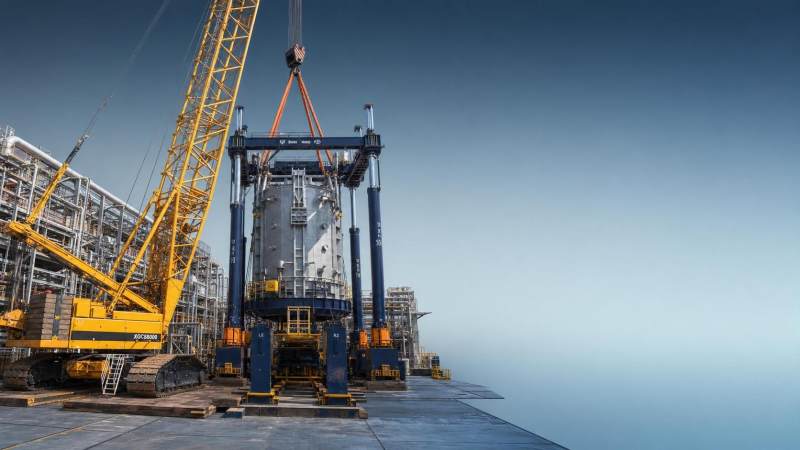
How to Evaluate Heavy Lifting Solutions for Confined Sites and High Load Requirements
Choosing the right heavy lifting solutions for confined sites and high load demands is not just a technical task. It shapes safety, schedule control, lifting productivity, and total project cost.
On dense infrastructure projects, the challenge is rarely lifting weight alone. The real issue is matching load, reach, access, ground bearing, and risk controls within a very limited operating envelope.
That is why heavy lifting solutions should be evaluated as complete project systems. Equipment selection, lift planning, site logistics, and engineering verification must work together from the start.
For complex civil, energy, mining, and industrial work, this approach reduces rework and protects delivery certainty. It also creates a more realistic basis for comparing competing heavy lifting solutions.
Start with the Real Lifting Profile
Every evaluation should begin with the actual lifting profile, not the equipment brochure headline. Nominal crane capacity alone does not define suitability for confined or high-load work.
Map the full load case first. Include component weight, rigging weight, lifting beam weight, center of gravity, lift height, radius, swing path, and final placement tolerance.
In practice, many heavy lifting solutions fail early because accessory loads were underestimated. A spreader, hook block, slings, shackles, and tailing gear can materially change the required capacity.
The same applies to dynamic conditions. Wind exposure, tandem lifting, modular rotation, and partial obstruction can push a seemingly acceptable plan outside safe operating limits.
Core data to lock down before comparison
- Maximum gross lifted load, including all rigging and temporary lifting gear
- Critical radius at pick point and set point
- Required boom configuration, jib need, and hook height
- Load sensitivity to tilt, rotation, or shock loading
- Required installation accuracy and holding time
Once this profile is confirmed, heavy lifting solutions can be screened against real constraints. That produces better decisions than comparing headline tonnage across different machine classes.
Assess Confined Site Constraints Early
Confined sites change the economics of lifting. A powerful crane may still be the wrong answer if access roads, assembly zones, or swing clearance cannot support the operation.
This is especially common on urban transport works, petrochemical revamps, tunnel support bases, and brownfield industrial sites. Space conflict becomes as important as lifting strength.
Evaluate three site layers together. First, check transport access. Second, review assembly and crane positioning space. Third, confirm live operating clearance during the lift.
Questions that quickly reveal suitability
- Can the selected machine enter the site without road reinforcement or utility removal?
- Is there enough room for assembly, counterweight handling, and crawler track deployment?
- Will nearby structures, scaffolds, pipelines, or traffic corridors limit boom movement?
- Can support vehicles and rigging crews work safely around the crane footprint?
- Does the lift path cross active operations, exclusion zones, or overhead hazards?
From recent market shifts, more projects now favor flexible heavy lifting solutions over simple maximum-capacity choices. Modular transportability and reduced setup footprint can create significant project value.
Compare Equipment Types by Use Case, Not Category
Different heavy lifting solutions solve different site problems. A crawler crane, all-terrain crane, gantry system, strand jack setup, or skidding system should be judged by application logic.
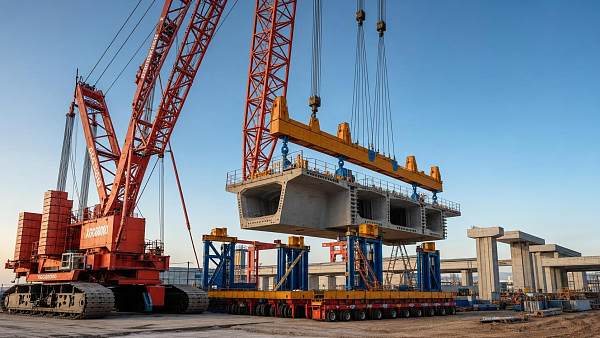
Crawler cranes remain strong for high-capacity lifts with demanding radii and stable working cycles. They are often preferred for wind components, petrochemical modules, and major infrastructure assemblies.
However, confined sites may favor gantry lifting or hydraulic jacking. These heavy lifting solutions reduce swing issues and can work where conventional boom geometry becomes impractical.
Strand jacks are often effective when vertical space exists but lateral working space is limited. Skidding systems help when the load must be shifted horizontally after lifting.
The best heavy lifting solutions usually come from a use-case comparison. Matching the mechanism to the constraint often beats selecting the biggest available machine.
Ground Conditions and Structural Interface Matter More Than Many Expect
High load requirements place major stress on ground support systems. Even well-chosen heavy lifting solutions become unsafe if bearing pressure and settlement behavior are not properly verified.
Review geotechnical data early. Weak fill, buried services, culverts, basement slabs, and recently backfilled trenches can undermine lifting plans without obvious visual warning.
The interface with permanent structures also matters. Temporary reactions may transfer into slabs, retaining walls, or tunnel support works that were not designed for concentrated lifting loads.
Minimum verification points
- Ground bearing capacity under all operating configurations
- Settlement tolerance during static and moving phases
- Need for mats, grillages, or temporary works
- Load path into nearby structures or foundations
- Drainage, weather exposure, and water-softening risk
This is where disciplined project teams separate workable heavy lifting solutions from paper-only options. A lift that works structurally is more valuable than one that only works geometrically.
Evaluate Safety Through Scenario Planning
Safety review should move beyond generic compliance. For confined and high-load operations, heavy lifting solutions need scenario-based analysis tied to actual project conditions.
Look at failure points that are credible, not merely theoretical. That includes unexpected wind windows, communication delays, load snagging, partial outrigging restrictions, and ground performance changes.
More importantly, test recovery logic. When a lift pauses mid-operation, the selected heavy lifting solutions should still allow stable holding, controlled lowering, and clear emergency command structure.
- Define exclusion zones based on real swing and drop risk
- Confirm trigger points for weather shutdown
- Test communications across operators, riggers, and supervisors
- Verify rescue and recovery steps for stalled lifts
- Align lift plan approval with engineering sign-off
In real delivery environments, the best heavy lifting solutions are usually the ones with fewer unstable edge conditions. Predictability is a major safety advantage.
Compare Commercial Value, Not Just Day Rate
Commercial evaluation often becomes too narrow. A lower equipment hire rate may still produce a higher total cost if setup, site disruption, engineering support, or delay exposure increases.
Strong heavy lifting solutions should be tested against total project impact. That includes mobilization, disassembly, temporary works, permit effects, crew size, and productivity during adjacent activities.
A solution that shortens the critical path can justify a higher direct cost. The same is true when it reduces shutdown duration on process plants or transport corridors.
Commercial comparison checklist
- Mobilization and demobilization complexity
- Assembly time and crane support requirements
- Temporary works cost and approval lead time
- Impact on surrounding trades and site access
- Probability and cost of schedule slippage
For sectors tracked by TF-Strategy, this broader view is increasingly decisive. Large infrastructure and energy projects now judge heavy lifting solutions by delivery certainty as much as by raw lifting power.
A Practical Framework for Final Selection
A useful final decision framework is simple. Score heavy lifting solutions across technical fit, site compatibility, structural feasibility, safety resilience, and commercial impact.
Do not let one strong attribute hide major gaps elsewhere. A crane with ample capacity may still rank poorly if assembly area, ground support, or recovery options remain weak.
Shortlist only the options that remain robust under real operating conditions. Then complete detailed engineering review with suppliers, lift planners, and site leadership before commitment.
- Define the true load case and operating geometry
- Map site access, footprint, and live clearance limits
- Test candidate heavy lifting solutions by use case
- Verify ground and structural interfaces
- Stress-test safety scenarios and recovery actions
- Compare total project value, not equipment rate alone
When this process is followed carefully, heavy lifting solutions become easier to defend and easier to execute. That leads to safer lifts, fewer surprises, and more reliable project outcomes.
For confined sites and high load requirements, the right decision is rarely the most obvious one. It is the option that stays workable when physical limits, engineering facts, and project pressure all meet at once.
Related News
 Sep 27, 2026Heavy Equipment Selection Factors for Matching Machine Capacity to Jobsite ConditionsHeavy equipment selection factors for matching capacity to jobsite conditions, improving productivity, safety, fleet efficiency, and total project cost control.
 Sep 26, 2026How to Select Wind Rotor Lifting Equipment for Safe Blade and Hub InstallationWind rotor lifting equipment selection guide: ensure safe blade and hub installation with the right lift method, load control, crane compatibility, wind limits, and compliance.
 Sep 25, 2026What Drives Heavy Haulage Cost on Oversized Construction Equipment Moves?Heavy haulage cost explained: discover how load dimensions, route surveys, permits, escorts, lifting plans, and scheduling shape reliable oversized equipment transport budgets.
 Sep 24, 2026Supplier Management Frameworks That Reduce Delays on Large Construction ProjectsLarge-scale construction projects supplier management frameworks help prevent costly delays with risk-based controls, milestone tracking, quality oversight, and escalation plans for critical packages.

Structural Load Expert
Weekly Insights
Stay ahead with our curated technology reports delivered every Monday.