
Choosing Mining Equipment Suppliers for Extreme Heat and Cold
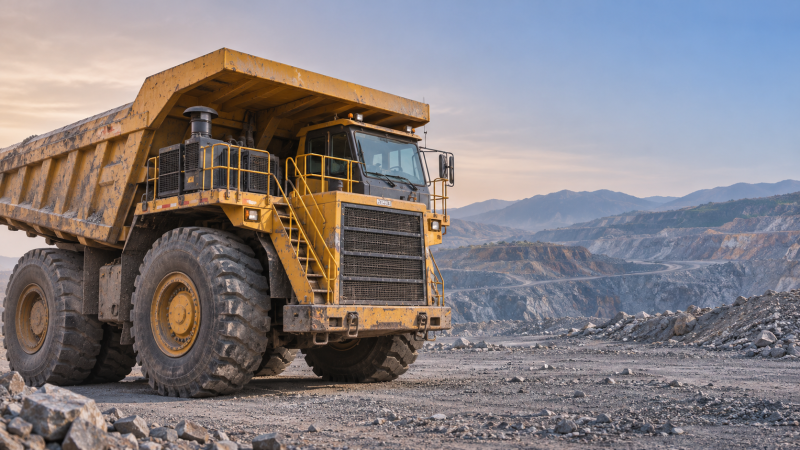
Extreme heat and cold can challenge mining equipment performance, maintenance schedules, and operating costs. For procurement professionals, choosing the right supplier means looking beyond rated capacity to assess temperature-specific engineering, component reliability, parts availability, and field support.
The strongest supplier can demonstrate that its proposed configuration will perform at your actual site conditions, support it locally, and accept measurable commitments for critical risks.
Start With Site Conditions, Not a Generic Temperature Rating
A machine advertised as suitable for extreme temperatures may be rated for storage, starting, or operation under different conditions. These limits are not interchangeable.
Ask suppliers to distinguish between ambient air temperature, component temperature, and operating limits under load. Request the assumptions behind each rating and any required modifications.
Build a site profile covering seasonal highs and lows, daily temperature swings, altitude, humidity, precipitation, wind, and dust. Include expected exposure during parking and maintenance.
For open-pit operations, describe haul gradients, cycle times, payload targets, road conditions, and shift patterns. These factors influence thermal loading more than ambient temperature alone.
Identify the coldest expected start after an extended shutdown and the hottest anticipated operating period. Specify how long equipment must remain productive in each condition.
Share the same profile with every bidder. Without consistent operating assumptions, differences in price and promised performance can reflect different interpretations rather than genuine capability.
What Should Suppliers Prove for Extreme Heat?
In hot environments, sustained production depends on the complete cooling package, not simply a larger radiator. Ask how the supplier validates performance at maximum expected load.
Request cooling-system capacity and test conditions for the engine, transmission, hydraulics, and other relevant components. Confirm whether published figures account for site altitude and restricted airflow.
Dust accumulation can reduce heat rejection and increase cleaning frequency. Review radiator access, filtration arrangements, fan configurations, and the maintenance time needed to restore airflow.
For haul trucks and excavators, ask whether high ambient temperatures require derating or limits on cycle time, payload, or continuous operation. Obtain the conditions in writing.
Check the temperature ratings and replacement intervals for hoses, seals, wiring, lubricants, and electronic controls. Heat exposure can shorten component life even when machinery remains operational.
Operator protection also matters. Confirm cab cooling capacity, filtration, visibility, and emergency procedures against site requirements, including the impact of prolonged exposure during breakdowns.
For battery-electric equipment, request thermal-management limits for the battery, power electronics, and charging system. Ask how high temperatures affect charging availability and usable operating time.
What Should Suppliers Prove for Extreme Cold?
Cold-weather suitability begins before the engine starts. Clarify the minimum unassisted start temperature and the conditions requiring heaters, external power, or other preparation.
Review the complete cold-start package, including engine, battery, hydraulic reservoir, fuel system, and operator cab. Confirm power demand and warm-up time at the specified temperature.
Ask how cold affects hydraulic response, braking, steering, and transmission engagement during initial operation. A machine that starts reliably may still need time before working safely.
Verify that specified fluids remain suitable for expected temperatures and comply with equipment requirements. Discuss seasonal changeovers, fluid availability, contamination control, and maintenance procedures with suppliers.
Low temperatures can affect seals, hoses, structural materials, and electrical connectors. Request evidence that components are appropriate for the site’s minimum temperatures and duty cycles.
For battery-electric machines, establish cold-soak limits, preheating requirements, charging restrictions, and expected range under representative loads. Include energy used for battery and cab heating.
Consider the supporting infrastructure as well: sheltered parking, reliable electrical supply, fuel handling, and safe access for technicians can determine whether a cold-weather package works as intended.
How Can Procurement Verify Supplier Claims?
Ask each bidder for a written compliance matrix against your site profile. Require a clear response for every condition: compliant, compliant with modifications, or noncompliant.
For each compliant claim, request supporting documentation such as engineering specifications, test reports, operating limitations, and configuration details. Marketing statements alone do not establish site suitability.
Prefer evidence from machines with comparable duty cycles and environmental exposure. A successful installation in a cold region, for example, may not prove continuous performance at your elevation.
Seek customer references that can discuss availability, recurring faults, service response, and parts lead times. Ask what changed after commissioning and whether promised upgrades were delivered.
Where references or test conditions differ from your site, document the gap and ask the supplier to explain its engineering assessment. Treat unsupported assumptions as procurement risks.
For major purchases, consider a witnessed test or pilot under agreed conditions. Define the machine configuration, measurement methods, acceptance criteria, and responsibilities before the test begins.
A pilot cannot reproduce every seasonal extreme. Agree on how the parties will validate conditions unavailable during testing and what corrective action applies if later performance falls short.
Which Service and Parts Commitments Matter Most?
Remote mines need more than access to a global parts catalog. Evaluate the supplier’s ability to deliver the right components within the site’s operational recovery window.
Request a list of temperature-sensitive and high-failure-impact parts, their stocking locations, current lead times, and alternatives. Include sensors, hoses, filters, heaters, and cooling components.
Agree which items belong in site inventory and who owns them. For critical components, assess repair options, exchange programs, transport constraints, and replenishment commitments.
Ask where field technicians are based, what training they hold, and whether they can work on the proposed configuration. Confirm coverage for nights, weekends, and severe weather.
Define response time separately from arrival time and repair completion. A remote diagnosis within hours does not guarantee that a specialist or replacement component can reach the mine.
Review service escalation routes, diagnostic access, software support, and the availability of technical documentation. Ensure your maintenance team can perform agreed routine work without unnecessary restrictions.
When a local dealer supports an international manufacturer, clarify responsibility between the parties. The contract should identify who supplies parts, authorizes warranty work, and resolves technical disputes.
How Should Buyers Compare Total Cost of Ownership?
The lowest initial quotation may omit cold-start equipment, enhanced cooling, site spares, or additional maintenance. Normalize every bid to the same configuration and scope before comparison.
Build a lifecycle model around your expected utilization, service intervals, energy consumption, component replacement, and logistics. State the operating period and assumptions used for every supplier.
Include the cost of supporting infrastructure where it differs between options, such as heated facilities, charging capacity, coolant handling, or additional electrical supply for preheating.
Estimate downtime exposure using your own production constraints. Consider both the likelihood of temperature-related interruptions and the operational consequence of losing a critical machine.
Compare scenarios rather than relying on a single forecast: expected conditions, a severe season, and delayed parts delivery. Identify which assumptions have the greatest effect on cost.
Ask suppliers to explain differences in fuel or electricity use, maintenance hours, and component life. Treat projected savings as estimates unless supported by relevant evidence and contract terms.
Residual value, financing, and disposal costs may also matter, but avoid letting uncertain resale projections outweigh documented differences in uptime, support, and environmental suitability.
What Belongs in the Request for Proposal?
A detailed request for proposal gives extreme temperature mining solutions suppliers a common basis for engineering and pricing. It also makes omissions easier to identify.
Define the site profile, equipment duty, production requirements, and expected operating hours. Include transport constraints, available utilities, maintenance facilities, and local safety requirements.
Require bidders to state minimum starting and operating temperatures, maximum operating temperatures, altitude assumptions, and any performance derating. Ask them to identify conditions outside their guarantees.
Request an itemized configuration covering heating, cooling, filtration, fluids, instrumentation, and software. Separate standard equipment from optional packages and site-specific modifications.
Specify required documentation, operator and technician training, initial spares, commissioning support, and maintenance tooling. Ask for delivery schedules and the validity period of each quotation.
Require a proposed service plan with technician locations, parts stocking arrangements, escalation contacts, and measurable response commitments. Ask bidders to disclose subcontractors and dealer responsibilities.
Include a standard commercial response covering warranty exclusions, performance conditions, recommended maintenance, and available remedies. This helps procurement compare terms alongside engineering capability.
How Can Contract Terms Protect Equipment Availability?
Translate important supplier promises into contract language tied to the specified machine configuration and site conditions. Ambiguous phrases such as “suitable for harsh climates” are difficult to enforce.
Define commissioning and acceptance criteria, including required documentation, completed training, functional checks, and any agreed performance tests. Record deficiencies and deadlines for correction.
For availability commitments, agree on the calculation method, measurement period, data source, and exclusions. Planned maintenance, operator practices, and site-caused delays need clear treatment.
Set realistic parts and service obligations, then specify remedies for missed commitments. Remedies might include corrective plans, expedited support, credits, or other negotiated commercial measures.
Review warranty limits carefully for temperature exposure, fluid selection, maintenance intervals, and unauthorized modifications. Ensure required procedures are practical for the mine’s facilities and staffing.
Where performance depends on site infrastructure or operator behavior, document each party’s responsibilities. A guarantee is only useful when the conditions for applying it are understood.
How Should You Make the Final Supplier Decision?
First, eliminate proposals that cannot meet essential safety, temperature, or duty requirements. A favorable price should not compensate for an unresolved critical operating limitation.
Then score the remaining bids using weighted criteria suited to the mine. Engineering evidence, local support, parts access, lifecycle cost, and contract terms should carry explicit weight.
Record deviations and assign owners for unresolved issues before award. Involve operations and maintenance teams so the purchasing decision reflects how the equipment will actually be used.
Finally, choose the supplier that can substantiate its performance claims and support them throughout the equipment lifecycle. In extreme climates, dependable execution is the foundation of value.
Have questions about this sector analysis, or seeking best practices specific to your niche? Drop us a line below and let the senior consultants at TF-Strategy assist you.
Related News
 Nov 11, 2026Choosing Equipment Capacity for Different Workloads and ApplicationsExplore equipment application by capacity to match machines to real workloads, reduce bottlenecks and choose cost-effective solutions with confidence.
 Nov 10, 2026Crane Performance Comparison: Load Capacity, Reach and Lifting SpeedCrane performance comparison made practical: evaluate load capacity, reach and lifting speed to choose the right crane for your site and work sequence.
 Nov 09, 2026Heavy Equipment Technology Systems: Telematics, GPS and Machine ControlExplore heavy equipment technology systems, from telematics and GPS to machine control, and learn how to choose the right tools for your fleet and site.
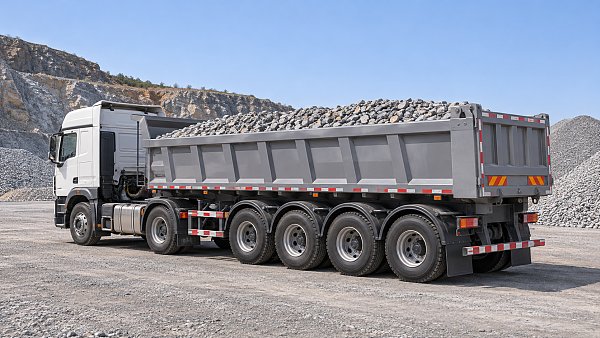
 Nov 10, 2026Selecting a Four-Axle Rear Dump Semi-Trailer for Aggregate HaulingExplore dump special trailers for aggregate hauling. Learn how to compare legal payload, body durability and tipping safety before choosing a four-axle rear dump semi-trailer.
Ms. Elena Rodriguez
Weekly Insights
Stay ahead with our curated technology reports delivered every Monday.