
Construction Methodology vs Work Method Statement: Key Differences for Project Planning

In project planning, confusing a construction methodology with a work method statement creates avoidable risk. It weakens sequencing, safety controls, approvals, and resource alignment across complex delivery environments.
A clear construction methodology explains how a project will be built at a strategic level. A work method statement explains how a defined activity will be executed safely and consistently.
This distinction matters more as infrastructure grows larger, schedules tighten, and heavy equipment coordination becomes more data-driven. In sectors tracked by TF-Strategy, documentation quality directly influences cost, safety, and delivery confidence.
Why the construction methodology is gaining strategic importance
Across tunneling, mining, lifting, and transport projects, owners now expect earlier planning certainty. They want proof that construction logic supports budget, site constraints, and equipment capability before execution begins.
That shift elevates the construction methodology from a tender attachment to a decision tool. It now connects engineering intent, access planning, equipment deployment, logistics, and milestone control.
At the same time, method statements remain essential. Regulators, clients, and internal HSE teams need task-level controls for lifting, excavation, confined space work, temporary works, and critical interfaces.
The trend is clear: projects succeed when the construction methodology sets the route, and work method statements manage each move along that route.
The core difference is scope, timing, and decision value
The easiest way to separate the two documents is to compare what they answer. One answers “how will the project be delivered?” The other answers “how will this task be done safely?”
A construction methodology often includes site access, work zones, temporary facilities, major plant selection, construction sequence, and risk assumptions. It gives stakeholders a shared delivery logic.
A work method statement is narrower. It may cover rebar lifting, shaft support installation, crane assembly, blasting preparation, or pavement laying under live traffic controls.
What is changing in project planning and documentation expectations
Documentation is becoming more integrated with digital planning, compliance systems, and equipment analytics. This change affects how construction methodology is prepared, reviewed, and updated during delivery.
In heavy industry, methodology is no longer static. TBM projects adjust based on geology. Open-pit operations react to haulage conditions. Major lifts change with weather windows and transport timing.
As a result, the construction methodology increasingly acts as a live planning framework. Method statements then cascade from that framework as work fronts open and conditions evolve.
Main forces behind this shift
- Higher project complexity and more interfaces between civil, mechanical, and logistics teams.
- Greater scrutiny on safety, permits, and environmental performance.
- Use of digital twins, BIM, machine telemetry, and schedule simulation.
- Growing dependence on specialized heavy equipment with strict setup constraints.
- Client demand for early constructability validation and lower lifecycle delivery risk.
How each document works in real construction environments
Consider a tunnel project. The construction methodology may define launch shaft sequencing, spoil removal logic, TBM assembly zones, groundwater management, and segment logistics.
Separate work method statements would then address shaft excavation, crane lifting plans, cutterhead inspection access, slurry handling, or emergency recovery procedures.
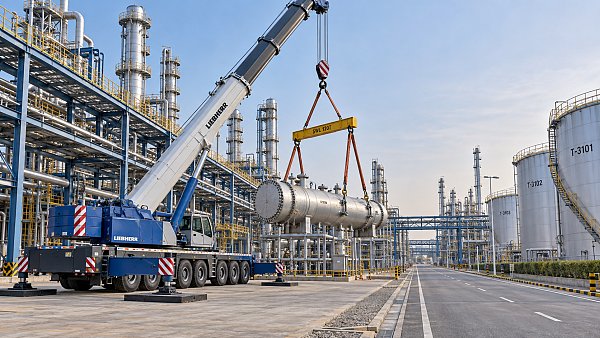
On a wind foundation or petrochemical site, the construction methodology may explain transport routes, laydown areas, crawler crane positioning, temporary roads, and weather-dependent lifting windows.
Method statements would govern steel unloading, ground mat installation, heavy component lifting, bolt tensioning, and exclusion zone management. Each task aligns with the wider construction methodology.
This relationship is critical. If a work method statement conflicts with the construction methodology, teams face confusion, permit delays, or unsafe field improvisation.
Operational impacts when the distinction is misunderstood
When projects treat both documents as interchangeable, planning quality usually falls. Strategic sequencing gets reduced to generic task instructions, while task controls miss larger interface risks.
The result can appear in several ways:
- Procurement starts before access, lifting, or temporary works logic is fully tested.
- Site teams receive safe work instructions without understanding upstream sequencing limits.
- Change management becomes reactive because the baseline construction methodology was weak.
- Audits identify gaps between approved plans and actual field execution.
- Claims and delay analysis become harder because the original delivery logic was unclear.
For heavy equipment projects, these gaps can be expensive. A flawed construction methodology may misjudge crane reach, haul road stability, TBM support timing, or equipment idle exposure.
What strong planning teams should now prioritize
The best-performing projects build a visible link between strategic planning documents and field-level execution controls. That link should be deliberate, traceable, and regularly reviewed.
Key focus points for a reliable construction methodology
- Define the overall construction sequence by phase, area, and dependency.
- Show why selected plant, equipment, and access arrangements are viable.
- Identify major assumptions, constraints, and critical path interfaces.
- Align temporary works, logistics, and environmental controls with buildability.
- Set review triggers for weather, design change, geotechnical updates, and resource shifts.
Key focus points for effective work method statements
- Limit scope to one activity, crew logic, or work package.
- Describe step-by-step actions in plain operational language.
- Tie hazards to specific controls, permits, and responsibilities.
- Reflect actual site conditions, not office assumptions.
- Review after incidents, changes, or repeated execution problems.
A practical decision framework for choosing the right document
This framework helps teams avoid document overload while improving relevance. A good construction methodology should not become a task checklist. A method statement should not pretend to be project strategy.
How to strengthen planning quality in the next review cycle
Start by reviewing whether your current construction methodology explains the actual build logic, not just the intended scope. Then test whether every critical task has a matching method statement.
- Map major project phases and identify where the construction methodology drives decisions.
- List high-risk activities that require dedicated work method statements.
- Check alignment between sequence planning, equipment limits, and site controls.
- Update both documents when design, ground, logistics, or weather assumptions change.
- Use lessons learned from past projects to improve future construction methodology quality.
For organizations working with TBM systems, mining fleets, crawler cranes, or large road machinery, this discipline is especially valuable. It protects uptime, supports compliance, and improves execution certainty.
The key takeaway is simple. A construction methodology defines the project path. A work method statement defines safe movement along that path. Strong projects need both, clearly separated and tightly connected.
If your planning documents are being revised, begin with the construction methodology first. Then develop method statements that reflect the real sequence, equipment strategy, and site constraints already established.
Related News
 Oct 18, 2026How Equipment Specifications Affect Purchase, Installation, and Operating CostsExplore equipment specification planning cost factors that shape purchase, installation, and operating budgets. Compare lifecycle costs, avoid oversizing, and buy with confidence.
 Oct 17, 2026Tunnel Boring Machine Supplier List: Compare TBM Types and Service CoverageExplore our tunnel boring machinery supplier list to compare EPB, slurry and hard rock TBMs, assess service coverage and lifecycle costs, and build a smarter procurement shortlist.
 Oct 16, 2026Heavy-Duty Petrochemical Lifting: Selecting Cranes by Load, Radius, and Site AccessExplore heavy-duty petrochemical lifting solutions. Compare cranes by load, radius, site access, and ground support to reduce project risk and optimize lifting costs.
 Oct 15, 2026Crane Selection for Petrochemical Turnarounds: Capacity, Radius, and Site AccessExplore petrochemical lifting solutions cranes can deliver, with expert guidance on capacity, working radius, and site access to help you plan a safer, more efficient turnaround.



Ms. Elena Rodriguez
Weekly Insights
Stay ahead with our curated technology reports delivered every Monday.