
New Energy Construction Cost Drivers: Land, Grid Access, Materials, and Permitting

New energy construction cost drivers in real investment scenarios
For financial decision-making, new energy construction succeeds when budgets stay bankable, schedules remain realistic, and asset performance supports durable returns.
Land pricing, grid access, material volatility, and permitting complexity now shape project economics as much as turbine size, module efficiency, or nameplate capacity.
Across utility-scale solar, wind farms, storage sites, and hybrid energy hubs, cost assumptions can change quickly when local conditions are misunderstood.
This guide explains how new energy construction cost drivers behave in different scenarios, and how better early judgment improves capital planning.
Drawing from an infrastructure intelligence perspective, TF-Strategy connects construction methods, heavy equipment realities, and strategic project risk into practical decision insight.
Why scenario judgment matters before budget locking
Not every new energy construction project faces the same cost pattern, even when technology type and capacity look similar on paper.
A flat solar site near substations behaves differently from a remote wind corridor requiring heavy lifting, road upgrades, and extended transmission connection studies.
Battery storage developments may have modest land footprints, yet grid compliance, fire safety design, and local approvals can widen total installed cost.
In mixed infrastructure environments, civil works, haulage logistics, and permitting pathways often influence new energy construction more than headline equipment prices.
Scenario-based analysis helps compare risk concentration, identify hidden cost exposure, and avoid underestimating contingency requirements.
Scenario one: utility-scale solar where land and interconnection dominate
In utility-scale solar, low module prices can create false confidence if land control and grid access are not secured early.
Site value changes sharply when parcels need assembly, agricultural conversion approval, drainage redesign, or longer easement corridors for transmission linkage.
Core judgment points for solar cost planning
- Land price per acre is less important than usable acreage after setbacks, slope limits, flood restrictions, and environmental buffers.
- Interconnection queue timing may delay revenue start dates more severely than moderate EPC cost inflation.
- Steel racking, cable, inverter, and transformer costs remain sensitive to commodity cycles and regional logistics constraints.
- Soil conditions affect piling depth, grading intensity, and stormwater control design.
For this new energy construction scenario, front-end diligence should test land efficiency and grid readiness together, not as separate workstreams.
Scenario two: onshore wind where logistics and heavy lifting reshape budgets
Onshore wind presents a different new energy construction profile because transport geometry and lifting plans can transform a viable layout into a costly one.
Blade length, tower section diameter, and nacelle mass directly affect road turning radii, bridge suitability, crane pad design, and installation windows.
Where cost pressure usually appears
Remote or elevated sites often require temporary roads, geotechnical stabilization, and larger crawler cranes for safe installation under variable weather conditions.
Foundation concrete, rebar, and anchor cage tolerances become significant budget items when turbines scale upward.
Grid tie-in can be especially expensive if export capacity requires substation expansion or long collector routes through complex terrain.
Permitting may also widen in scope when visual impact, wildlife migration, noise thresholds, or aviation concerns trigger extended review periods.
In this scenario, heavy equipment intelligence matters because crane selection, haul route engineering, and erection sequence directly affect contingency levels.
Scenario three: battery storage and hybrid sites where compliance can outweigh footprint
Battery energy storage and hybrid solar-storage sites often appear simpler because they occupy less land than large wind or solar developments.
However, new energy construction costs here can rise through fire protection systems, thermal management design, control integration, and utility compliance requirements.
Key checks before financial close
- Utility interconnection studies may require costly protection upgrades or operating restrictions.
- Local code interpretation can vary for setbacks, container spacing, suppression systems, and emergency response access.
- Imported electrical components may carry lead-time and tariff risk.
- Hybrid controls add commissioning complexity that should be reflected in schedule reserves.
This new energy construction scenario rewards detailed coordination between civil, electrical, and regulatory planning from the earliest concept phase.
How major scenarios differ in cost sensitivity
Practical planning moves that improve new energy construction outcomes
Strong project economics usually come from disciplined sequencing rather than optimistic assumptions about declining equipment prices.
Recommended actions by stage
- Screen sites using both land suitability and grid connection probability.
- Run material sensitivity cases for steel, copper, concrete, and transformers.
- Model permitting duration with local precedent, not generic national averages.
- Assess civil access needs alongside major equipment dimensions and weights.
- Build contingencies around identified scenario risks, not a flat percentage.
For large infrastructure programs, integrating construction intelligence with financing assumptions gives new energy construction plans a stronger basis for approval.
This is especially relevant where cranes, haulage fleets, excavation methods, or specialized foundations affect both cost and schedule certainty.
Common misjudgments that distort project return expectations
One frequent error is treating grid access as an administrative step instead of a capital driver with direct schedule consequences.
Another is assuming land cost equals land value, without measuring grading burden, geotechnical limits, drainage obligations, or right-of-way complexity.
Material budgeting can also fail when only major generation equipment is tracked, while cable, switchgear, rebar, and transport are understated.
Permitting risk is often misread as a simple timeline issue, although redesigns and mitigation requirements can permanently alter total installed cost.
In new energy construction, these misjudgments rarely appear alone; they usually compound each other across procurement, civil works, and commissioning.
A grounded next step for more accurate capital planning
The best next step is to build a scenario-based cost map before locking development priorities or return assumptions.
That map should rank land constraints, interconnection exposure, material volatility, permitting pathways, and construction logistics within each project type.
For organizations tracking global infrastructure and heavy equipment trends, TF-Strategy supports this process through connected intelligence on construction methods and asset deployment.
When new energy construction decisions reflect real site conditions, realistic equipment requirements, and approval complexity, budgets become more resilient and returns more credible.
Better cost judgment does not remove uncertainty, but it sharply improves the odds of delivering energy infrastructure on time and within investment expectations.
Related News
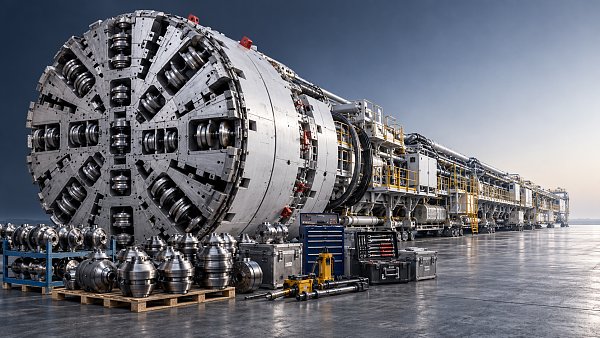
 Oct 17, 2026Tunnel Boring Machine Supplier List: Compare TBM Types and Service CoverageExplore our tunnel boring machinery supplier list to compare EPB, slurry and hard rock TBMs, assess service coverage and lifecycle costs, and build a smarter procurement shortlist.
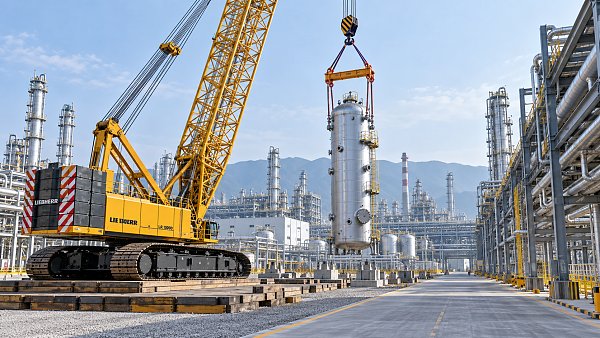
 Oct 16, 2026Heavy-Duty Petrochemical Lifting: Selecting Cranes by Load, Radius, and Site AccessExplore heavy-duty petrochemical lifting solutions. Compare cranes by load, radius, site access, and ground support to reduce project risk and optimize lifting costs.
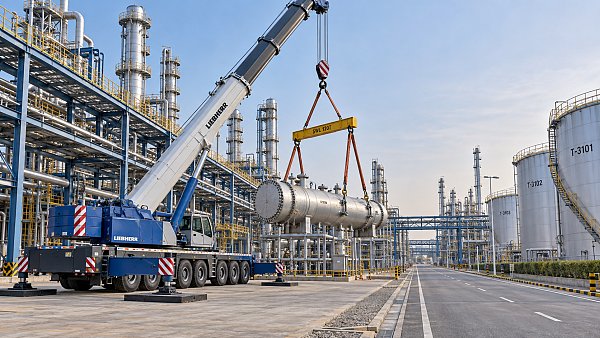
 Oct 15, 2026Crane Selection for Petrochemical Turnarounds: Capacity, Radius, and Site AccessExplore petrochemical lifting solutions cranes can deliver, with expert guidance on capacity, working radius, and site access to help you plan a safer, more efficient turnaround.
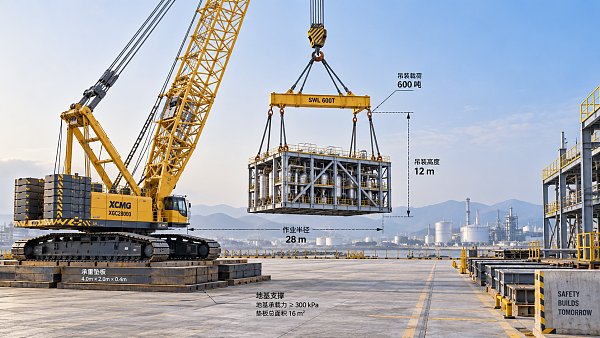
 Oct 14, 2026High-Capacity Heavy Lifting Solutions: Matching Load, Radius, and Ground ConditionsDiscover heavy lifting solutions high capacity projects demand—compare load charts, working radius, and ground conditions to select a feasible, cost-effective system.
Ms. Elena Rodriguez
Weekly Insights
Stay ahead with our curated technology reports delivered every Monday.