
Geotechnical Engineering Services Explained: What to Test Before Foundation Design Starts

Why geotechnical engineering services come first
Before foundation drawings move forward, the ground needs to tell its story. That is exactly where geotechnical engineering services create value.
A site may look simple on the surface, yet hidden layers, groundwater shifts, and weak zones can change the entire design path.
For earthworks, cranes, haul roads, TBM launch areas, and plant structures, early testing reduces design uncertainty and helps avoid expensive redesign later.
In heavy industry, that matters even more. Foundation behavior affects equipment stability, construction method, temporary works, and long-term operating safety.
What to test before foundation design starts
The best geotechnical engineering services do not begin with one lab result. They combine field investigation, sampling quality, groundwater observation, and engineering interpretation.
- Test soil stratigraphy first. Boreholes and sampling should confirm layer thickness, variability, fill zones, and transitions that may control bearing capacity and settlement behavior.
- Measure in-situ strength. Use SPT, CPT, vane shear, or pressuremeter methods to estimate stiffness, shear resistance, and how the ground responds under actual loading.
- Check groundwater level and fluctuation. One reading is not enough. Seasonal variation, recharge, seepage pressure, and dewatering sensitivity can change excavation and foundation risk.
- Assess compressibility and consolidation. Fine-grained soils may settle slowly for years, affecting slabs, machine alignment, crane pads, and adjacent utilities.
- Verify allowable bearing capacity. Do not rely on generic values. Capacity depends on soil type, footing width, embedment, groundwater, and construction disturbance.
- Review lateral earth behavior. Retaining walls, basement cuts, shaft collars, and temporary support systems need realistic pressure assumptions, not textbook averages.
- Test permeability and drainage response. This is critical for deep excavations, tunnel portals, mining platforms, and areas where water pressure may weaken ground performance.
- Check chemical aggressiveness. Sulfates, chlorides, low pH, and contaminated groundwater can attack concrete, steel, and buried infrastructure over time.
- Evaluate liquefaction or cyclic softening where relevant. Seismic loading or repeated machine vibration may reduce stability even if static capacity looks acceptable.
- Identify collapsible, expansive, or frost-susceptible soils. These special behaviors often cause unexpected movement after wetting, drying, or temperature change.
A quick way to match tests with design decisions
Where projects often go wrong
A common mistake is treating geotechnical engineering services as a permit step instead of a design input. That usually leads to shallow testing and overconfident assumptions.
Another issue is poor investigation spacing. A large logistics yard, crane track, or TBM support zone may cross several soil conditions within one workfront.
Groundwater is also underestimated. One dry-season borehole can hide wet-season uplift, seepage, or softening that later disrupts excavation and concrete works.
Risk signs worth flagging early
- Fill materials of unknown origin often contain debris, soft pockets, or uncontrolled compaction, making shallow foundation performance difficult to predict reliably.
- Abrupt refusal during boring may indicate boulders, weathered rock, or obstructions, each carrying different implications for piling, drilling, and equipment selection.
- Water inflow during sampling can signal perched groundwater or connected seepage paths that may destabilize cuts and increase dewatering demand.
- Lab values that look too uniform across all samples deserve checking. Natural ground rarely behaves perfectly consistently over a complex industrial site.
Different site conditions need different priorities
TBM launch shafts and tunnel-related works
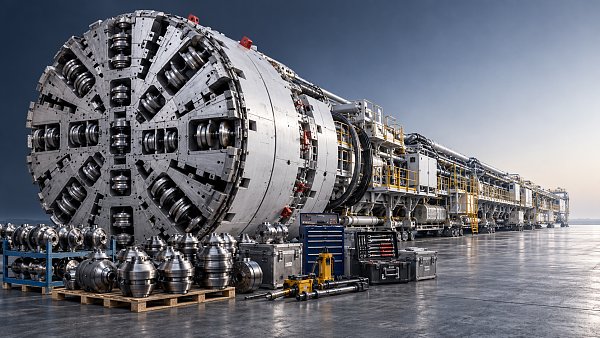
For TBM projects, geotechnical engineering services must go beyond standard building foundations. Shaft support, groundwater inflow, face stability, and cutterhead wear all connect back to ground data.
TF-Strategy closely follows these links because boring performance, muck handling, and launch accuracy depend on reliable subsurface interpretation from the very beginning.
Open-pit mining and heavy haul platforms
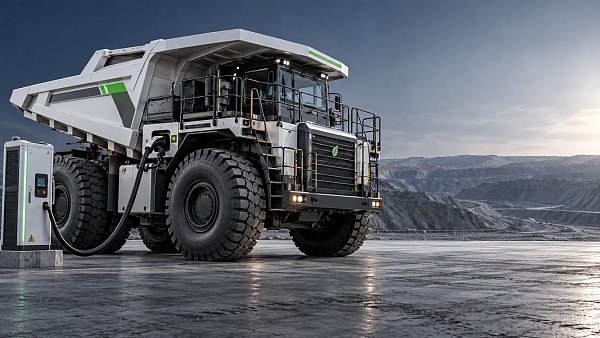
In mining areas, the issue is not only the permanent foundation. Temporary haul roads, excavator working pads, dump truck traffic, and drainage routes also need ground verification.
Weak saturated zones can quickly damage platform performance. That affects productivity, tire wear, equipment stability, and maintenance cost across the site.
Crawler crane pads and lifting areas
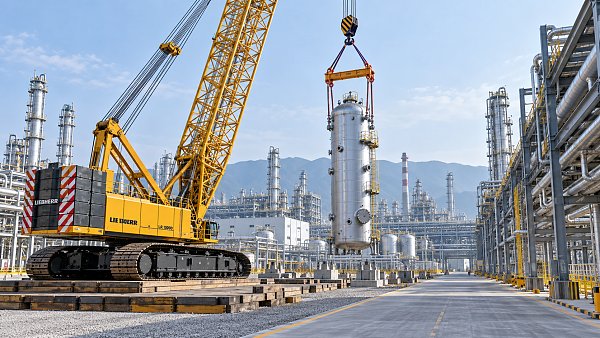
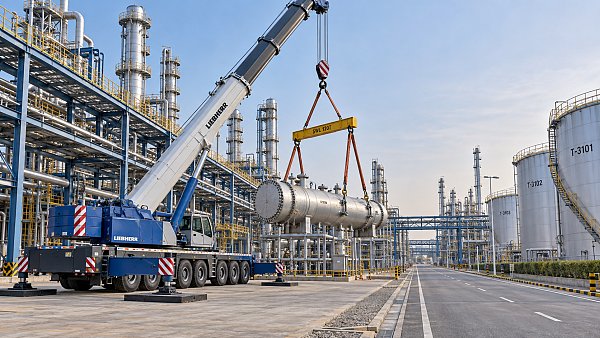
Crawler crane projects demand a practical reading of surface and near-surface ground behavior. Track pressure, outrigger reactions, and differential settlement must be checked carefully.
This is especially important in wind, nuclear, and petrochemical work, where even small movements can affect lift path safety and assembly accuracy.
How to make geotechnical engineering services more useful
The most useful reports answer construction questions, not just lab questions. Good geotechnical engineering services should connect field data to real decisions.
- Define the structure loads early. Without load ranges, vibration limits, and settlement tolerance, the investigation may miss the parameters that actually drive design.
- Align borehole depth with failure mechanisms. Stopping too shallow can miss compressible layers or groundwater conditions that still influence foundation behavior.
- Request both factual and interpretive reporting. Raw logs matter, but design teams also need engineering judgment, assumptions, and limitation notes.
- Compare field and lab results instead of using either alone. Disagreement between them often reveals sample disturbance or unusual soil structure.
- Plan follow-up testing for anomalies. One unexpected layer, soft pocket, or water response can justify targeted additional investigation before design is locked.
- Include temporary works in the review scope. Excavation support, crane pads, access roads, and stockpile zones may control risk before the permanent foundation does.
A practical review sequence
Why this matters across global heavy industry
Across transport corridors, mines, tunnel systems, and large lifting projects, foundation reliability affects cost, schedule, and equipment performance in one chain.
That is why TF-Strategy looks at geotechnical engineering services as part of a larger engineering intelligence process, linking ground conditions with machinery, method, and risk.
A stronger geotechnical review can improve crane pad confidence, reduce TBM launch uncertainty, support mining platform durability, and sharpen infrastructure planning overall.
What to do next before design assumptions harden
If early data is thin, expand the investigation before foundation choices are fixed. That is usually cheaper than redesign, delay, or field correction.
Focus geotechnical engineering services on the decisions that matter most: foundation type, groundwater control, settlement tolerance, and temporary works stability.
When test scope, field evidence, and engineering interpretation line up, the foundation design starts on solid ground instead of hopeful assumptions.
Related News
 Oct 18, 2026How Equipment Specifications Affect Purchase, Installation, and Operating CostsExplore equipment specification planning cost factors that shape purchase, installation, and operating budgets. Compare lifecycle costs, avoid oversizing, and buy with confidence.
 Oct 17, 2026Tunnel Boring Machine Supplier List: Compare TBM Types and Service CoverageExplore our tunnel boring machinery supplier list to compare EPB, slurry and hard rock TBMs, assess service coverage and lifecycle costs, and build a smarter procurement shortlist.
 Oct 16, 2026Heavy-Duty Petrochemical Lifting: Selecting Cranes by Load, Radius, and Site AccessExplore heavy-duty petrochemical lifting solutions. Compare cranes by load, radius, site access, and ground support to reduce project risk and optimize lifting costs.
 Oct 15, 2026Crane Selection for Petrochemical Turnarounds: Capacity, Radius, and Site AccessExplore petrochemical lifting solutions cranes can deliver, with expert guidance on capacity, working radius, and site access to help you plan a safer, more efficient turnaround.
Ms. Elena Rodriguez
Weekly Insights
Stay ahead with our curated technology reports delivered every Monday.