
Construction Safety Training Requirements: What Supervisors Need to Cover Before Work Starts
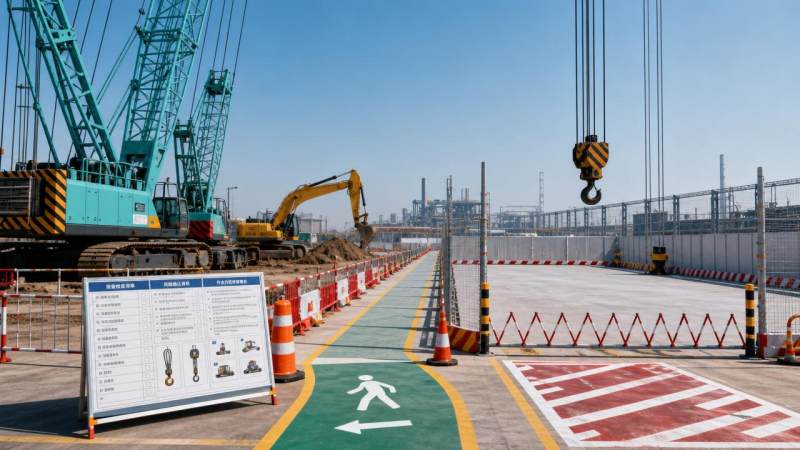
Why does construction safety training need to happen before the first task starts?
Construction safety training is most effective before tools move, engines start, or loads are lifted.
That early timing matters because crews face real exposure at the first minute of work, not after the shift settles.
A strong pre-start briefing translates rules into site conditions, equipment limits, ground realities, and sequence risks.
In heavy infrastructure, that gap between generic instruction and field application is where many incidents begin.
Construction safety training should therefore answer a practical question: what can hurt people here, today, during this exact operation?
This is especially true around TBM support zones, crawler crane lifts, open-pit access roads, and large paving spreads.
These environments combine moving machinery, changing surfaces, blind spots, energy sources, and tight production pressure.
TF-Strategy often highlights how physical machine parameters and construction methods must be understood together.
The same principle applies to safety.
Training works when it connects lifting radius, slope angle, haul route condition, ventilation, and access control to worker behavior.
What should supervisors actually cover in construction safety training before work begins?
The best construction safety training is not a long speech.
It is a focused review of hazards, controls, responsibilities, and stop-work triggers for the planned activity.
Most sites benefit when supervisors organize the briefing around the work sequence instead of a policy checklist.
- Scope of work: what starts first, what follows, and where different crews may overlap.
- Site hazards: unstable ground, overhead power, confined areas, weather exposure, poor visibility, and traffic conflicts.
- Equipment status: inspections, guarding, brakes, alarms, load charts, attachments, and maintenance holds.
- People and zones: access control, exclusion areas, spotter duties, communication channels, and permit boundaries.
- Emergency readiness: rescue access, first aid location, shutdown method, muster point, and reporting route.
Need-to-know details change by operation.
A crane setup requires attention to outrigger support, wind limits, suspended loads, and swing radius control.
Excavation work needs trench stability, spoil placement, buried services, water ingress, and access ladders.
For road machinery, the bigger concern may be reversing movements, traffic interface, and hot material handling.
In practical terms, construction safety training should leave no doubt about who does what, where not to stand, and when to stop.
A quick pre-start reference
A concise table helps keep construction safety training specific and repeatable across shifting tasks.
How detailed should hazard communication be on complex heavy equipment sites?
It should be detailed enough to guide decisions, but short enough to remember under pressure.
That balance is where many supervisors struggle.
If construction safety training stays too general, people nod and then improvise in the field.
If it becomes a document dump, critical points get buried.
A better approach is to rank hazards by energy, exposure, and change potential.
High-energy hazards deserve the most time.
Think suspended loads, rotating parts, pressurized systems, unstable faces, haul traffic, and stored electrical energy.
Then focus on what changes quickly.
Weather, visibility, groundwater, access congestion, and machine positioning can turn a routine task into an unstable one.
TF-Strategy’s heavy industry coverage often shows how operational risk rises when conditions shift faster than procedures.
Construction safety training should anticipate that mismatch.
In real operations, the most useful hazard communication names the trigger points.
- Stop if wind exceeds the lift plan limit.
- Stop if haul road edge breaks down or visibility drops.
- Stop if the excavation shows cracking, seepage, or vibration changes.
- Stop if guards are removed or lockout status becomes unclear.
That level of clarity is far more valuable than repeating generic safety slogans.
Where do pre-start briefings often fail, even when training records are complete?
A common failure is treating construction safety training as proof of compliance rather than proof of understanding.
The form gets signed, yet the work face still contains unanswered questions.
Another weak point is poor alignment between planners, operators, maintenance teams, and field supervision.
When one group assumes another checked the ground, clearance, or attachment condition, gaps appear quickly.
There is also a timing problem.
Briefings held too early may miss overnight rain, changed traffic routes, or a substituted machine.
Briefings held too late are rushed because production is already waiting.
More often than not, failure comes from missing site specificity.
A tunnel logistics area does not behave like an open-pit loading zone.
A crawler crane working near wind components faces different constraints than a road paver on a closed lane.
Good construction safety training reflects those differences without becoming overly technical.
It converts engineering conditions into plain operational instructions.
Red flags that suggest the briefing was not enough
- Workers cannot describe exclusion zones without checking drawings.
- Different people give different answers about communication signals.
- Emergency access is blocked by parked equipment or stored materials.
- A changed attachment or machine arrives with no revised risk discussion.
- Weather or ground conditions shift, but the morning briefing is not updated.
How can supervisors adapt construction safety training to TBM, mining, lifting, and road machinery work?
The smartest method is to start with the equipment-system interaction, not just the equipment itself.
That means asking how machine size, motion, support systems, and surrounding infrastructure create risk together.
For TBM-related activity, construction safety training should cover conveyor interfaces, segment handling, ventilation, energized systems, and confined movement paths.
For open-pit equipment, priority often shifts to haul road geometry, fatigue exposure, berm integrity, slope awareness, and dispatch communication.
For crawler cranes, lift sequencing, rigging verification, ground bearing capacity, tail swing, and weather thresholds deserve close attention.
For large road machinery, briefings need to address live traffic edges, reversing movements, thermal hazards, and coordination between paving and supply vehicles.
This is where industry intelligence becomes useful.
TF-Strategy tracks how machine technology, remote control functions, and evolving jobsite methods change operating exposure.
That broader view helps teams update construction safety training as equipment capability advances.
For example, digital controls may improve precision, yet they do not remove blind zones, maintenance energy, or interface risk.
So the briefing should stay grounded in what people will physically encounter on site.
What is the practical way to know if construction safety training is really working?
The simplest test is not attendance.
It is whether people can explain the task, identify the main hazard, and state the stop-work condition without hesitation.
A useful briefing changes field behavior in visible ways.
Barricades are placed correctly.
Radio communication becomes consistent.
Access routes stay open.
Workers challenge unclear conditions earlier.
Near misses also become a useful signal.
If similar issues repeat after multiple briefings, the construction safety training is probably too generic, too long, or too disconnected from the daily plan.
Short feedback loops help more than annual revisions.
After the shift, review what changed, what confused people, and what controls were hard to maintain.
Then feed that back into the next pre-start session.
In high-value infrastructure, this discipline protects not only people but also schedule certainty, equipment uptime, and delivery quality.
Before the next job begins, it is worth checking three things: whether the hazards are current, whether the controls are understood, and whether the briefing matches the actual work sequence.
That is usually the difference between training that is recorded and training that is operational.
Related News
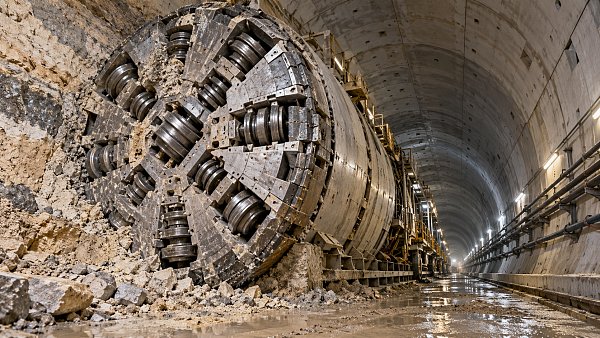
 Oct 21, 2026Choosing Tunneling Equipment for the Middle East: Rock, Soil, and GroundwaterCompare underground tunneling equipment Middle East projects need. Explore rock, soil, groundwater, and TBM options to reduce risk and make confident procurement decisions.
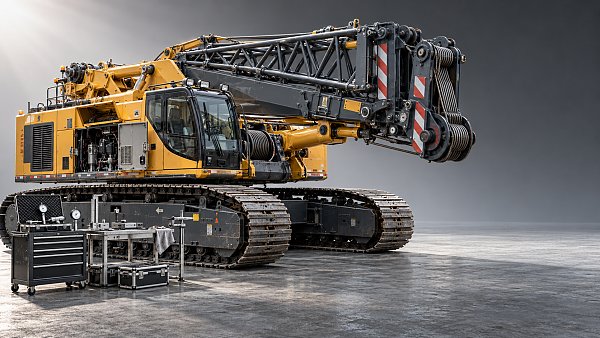
 Oct 20, 2026Which Heavy Machinery Maintenance Standards Apply to Your Construction Fleet?Discover which heavy machinery maintenance standards apply to your fleet. Clarify legal duties, OEM requirements, and inspection rules to reduce risk and keep equipment ready for work.
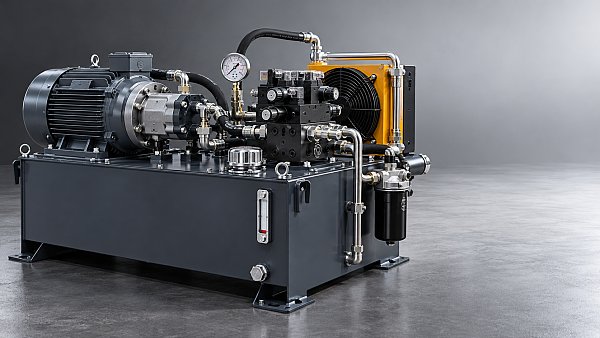
 Oct 19, 2026Sizing Industrial Hydraulic Power Packs: Pressure, Flow, and Duty CycleSize industrial hydraulic power packs with confidence. Learn how pressure, flow, and duty cycle affect performance, energy costs, and heat control—and avoid costly sizing mistakes.
 Oct 18, 2026How Equipment Specifications Affect Purchase, Installation, and Operating CostsExplore equipment specification planning cost factors that shape purchase, installation, and operating budgets. Compare lifecycle costs, avoid oversizing, and buy with confidence.

Ms. Elena Rodriguez
Weekly Insights
Stay ahead with our curated technology reports delivered every Monday.