
How to Evaluate a Heavy Machinery Market Platform for Reliable Sourcing and ROI
How to Evaluate a Heavy Machinery Market Platform for Reliable Sourcing and ROI
Choosing the right heavy machinery market platform can make the difference between costly procurement mistakes and long-term sourcing success.
For complex equipment buying, supplier credibility, technical data, lifecycle cost, and after-sales support all shape the outcome.
That is why a heavy machinery market platform should be evaluated as a decision tool, not just a listing site.
In practice, the best platforms reduce uncertainty, improve sourcing speed, and help teams protect return on investment.
This guide explains how to assess a heavy machinery market platform with a practical, ROI-focused lens.
Start With Market Relevance, Not Just Platform Size
A large directory can look impressive, but size alone says little about sourcing quality.
A useful heavy machinery market platform must reflect the categories, specifications, and project realities that matter to buyers.
That usually means deep coverage of application-specific equipment rather than broad but shallow inventory.
For example, TBM procurement requires cutterhead data, geology fit, tunneling method context, and project case references.
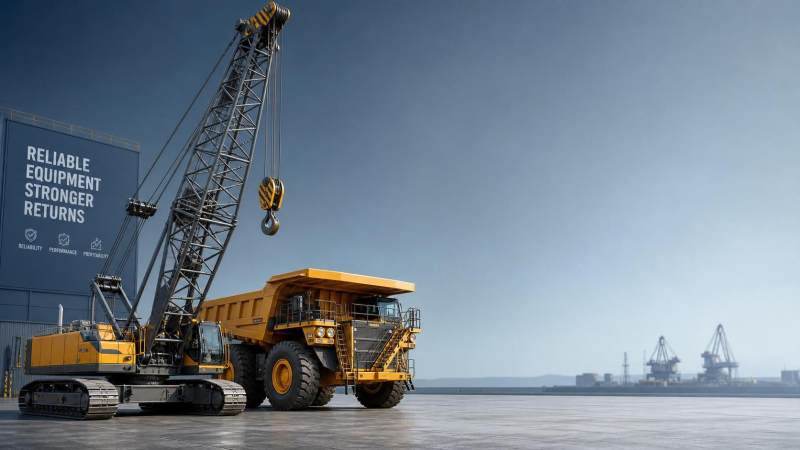
Crawler crane sourcing depends on lift charts, site assembly requirements, transport dimensions, and compliance records.
A serious heavy machinery market platform should organize this information in a way that supports comparison and shortlisting.
More importantly, it should show awareness of sectors like open-pit mining, tunneling, heavy lifting, and road construction.
Platforms such as TF-Strategy stand out when they connect equipment data with engineering methods and market intelligence.
Check Supplier Verification Standards
Reliable sourcing begins with supplier transparency.
A heavy machinery market platform should make verification visible, consistent, and easy to audit.
Basic contact details are not enough.
Look for business licenses, export history, manufacturing capability, service network details, and named technical contacts.
A stronger heavy machinery market platform also tracks certifications, project delivery records, and dispute response history.
This matters even more for high-value machinery with long lead times and complex commissioning requirements.
Use this quick supplier screen before deeper engagement:
- Is the supplier a manufacturer, authorized dealer, or trading intermediary?
- Can the platform show audited project references by region or equipment type?
- Are quality standards, factory capabilities, and testing procedures documented?
- Is there a clear parts and service structure after delivery?
- Does the supplier respond with technical depth rather than generic sales language?
When verification is weak, the sourcing risk is usually pushed downstream into delays, claims, and unexpected cost.
Evaluate the Quality of Technical Information
Procurement decisions fail when technical information is incomplete, inconsistent, or hard to compare.
A dependable heavy machinery market platform should provide structured specifications, not scattered product claims.
The detail level should match the complexity of the asset.
For mining dump trucks, payload, gradeability, braking systems, ambient temperature tolerance, and energy profile all matter.
For ultra-large excavators, cycle time, bucket configuration, engine or electrification options, and maintenance intervals are essential.
The platform should also explain how those parameters affect site productivity and ownership cost.
That is where intelligence-led platforms create more value than simple equipment marketplaces.
TF-Strategy, for instance, frames machinery through the lens of engineering use, strategic demand, and operational performance.
This makes a heavy machinery market platform more useful for comparing fit, not just comparing price.
Look Beyond Purchase Price to Total ROI
The cheapest quote rarely delivers the best return.
A good heavy machinery market platform should help buyers estimate total cost of ownership and project-level ROI.
This includes more than equipment price.
It should account for transport, import duties, assembly time, fuel or power consumption, operator training, spare parts, and downtime risk.
In sectors like tunneling or mining, one day of lost production can erase any apparent upfront savings.
More clearly now, buyers need platforms that connect equipment decisions with commercial outcomes.
Use this ROI framework when reviewing a heavy machinery market platform:
A heavy machinery market platform that supports these checks can materially improve sourcing results.
Assess Intelligence Depth and Market Signals
From recent market shifts, one clear signal stands out.
Procurement is increasingly tied to supply chain visibility, energy transition pressure, and regional infrastructure cycles.
That means a heavy machinery market platform should offer timely market intelligence, not only vendor pages.
Useful signals include tender activity, raw material movement, fleet replacement trends, electrification economics, and policy-driven demand.
This is especially valuable when sourcing assets with long planning cycles or high capital exposure.
A strong heavy machinery market platform helps teams decide when to buy, where to source, and which technologies deserve attention.
TF-Strategy’s intelligence model is relevant here because it links equipment choices with strategic infrastructure demand.
That broader view supports better timing, stronger negotiation, and more realistic budgeting.
Test the Platform’s Practical Sourcing Workflow
Even the best data loses value if the workflow is clumsy.
A heavy machinery market platform should make it easy to move from search to evaluation to supplier engagement.
Check whether the platform supports filtering by operating condition, load class, region, compliance standard, and delivery schedule.
It should also help organize RFQs, technical clarifications, and vendor comparisons without losing context.
In actual sourcing work, speed matters, but structured documentation matters more.
A capable heavy machinery market platform makes decision history traceable and approval discussions easier.
Before committing to a platform, run a realistic pilot using one live equipment category.
- Define one sourcing scenario with real budget and technical requirements.
- Shortlist suppliers only through the platform’s own search and verification tools.
- Compare response quality, documentation depth, and turnaround time.
- Measure how well the platform supports cost analysis and risk identification.
- Review whether the final shortlist is stronger than your current sourcing channel.
A pilot often reveals more than any sales presentation.
Prioritize Long-Term Value and Decision Confidence
The right heavy machinery market platform should do three things well.
It should improve supplier trust, sharpen technical comparison, and support better ROI decisions over time.
That also means the platform should evolve with the market.
As electrification, remote control, material innovation, and safety standards reshape heavy industry, sourcing tools must keep pace.
A heavy machinery market platform backed by domain intelligence is better positioned to support that shift.
For teams evaluating platforms today, the key is simple.
Do not ask only whether the platform lists equipment.
Ask whether it helps you source with clarity, negotiate with evidence, and manage heavy equipment investment with confidence.
That is where a heavy machinery market platform becomes a genuine procurement advantage.
Start with verification, test technical depth, model total ROI, and use intelligence to guide timing. That sequence usually leads to better decisions and stronger sourcing outcomes.
Related News
 Oct 21, 2026Choosing Tunneling Equipment for the Middle East: Rock, Soil, and GroundwaterCompare underground tunneling equipment Middle East projects need. Explore rock, soil, groundwater, and TBM options to reduce risk and make confident procurement decisions.
 Oct 20, 2026Which Heavy Machinery Maintenance Standards Apply to Your Construction Fleet?Discover which heavy machinery maintenance standards apply to your fleet. Clarify legal duties, OEM requirements, and inspection rules to reduce risk and keep equipment ready for work.
 Oct 19, 2026Sizing Industrial Hydraulic Power Packs: Pressure, Flow, and Duty CycleSize industrial hydraulic power packs with confidence. Learn how pressure, flow, and duty cycle affect performance, energy costs, and heat control—and avoid costly sizing mistakes.
 Oct 18, 2026How Equipment Specifications Affect Purchase, Installation, and Operating CostsExplore equipment specification planning cost factors that shape purchase, installation, and operating budgets. Compare lifecycle costs, avoid oversizing, and buy with confidence.
Ms. Elena Rodriguez
Weekly Insights
Stay ahead with our curated technology reports delivered every Monday.