
How to Evaluate a Dump Truck Before Buying for Mining
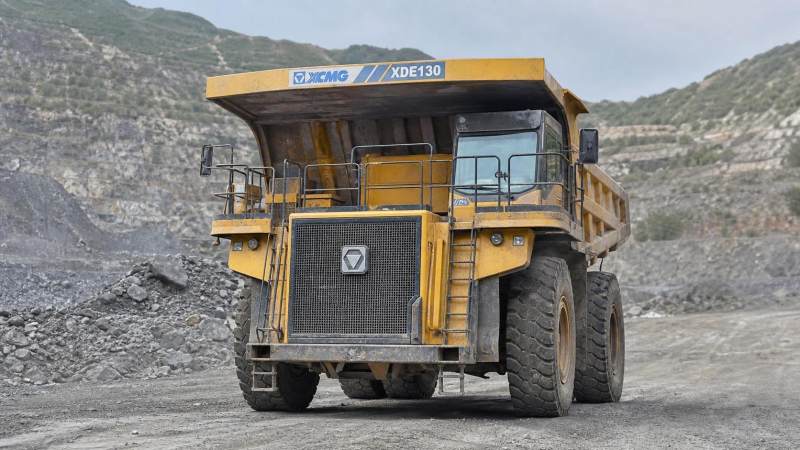
For fleet buyers, quarry managers, contractors, and mining operators, a Dump Truck is not just a purchase price and a payload number. It is a working asset that carries road conditions, loading habits, brake heat, frame stress, fuel burn, and maintenance discipline into every shift. A good buying decision starts by connecting the truck to the route, the material, and the operating rhythm rather than chasing horsepower alone.
This article is buyer-facing guidance written for procurement, engineering, quality, and operations teams. It avoids fabricated prices, invented case numbers, unsupported performance claims, and exaggerated promises. The purpose is to help a real buyer make a clearer decision before placing or repeating an order.
Start With Payload, Duty Cycle, and Road Grade
The first step in selecting a dump truck is to define the haul profile. Buyers should know the average payload, the maximum payload, the loading point, the dump point, the grade on the route, the turning pattern, and the expected number of cycles per day. A truck that looks strong in a brochure may be a poor fit if the job has steep grades, weak road surfaces, short cycle times, or frequent stop-start travel. The route, not the badge, decides whether a configuration is practical.
A useful inquiry describes the site conditions in plain language. For example, is the truck moving stone from a quarry, ore from an open pit, soil from a civil project, or aggregate on a highway job? Is the vehicle expected to run loaded uphill and empty downhill, or is it used on a more balanced route? These details shape axle choice, frame reinforcement, brake demand, cooling requirements, and tire wear. The buyer who defines these fields clearly gets a more realistic quotation.
It also helps to record expected growth. If the fleet will move more volume next year, the buyer should review whether the truck should be sized for current work or for a larger duty cycle. A selection document should connect present demand with likely growth so that the truck does not become a bottleneck just after commissioning.
Compare Frame, Axle, and Drivetrain Logic
Frame strength and axle arrangement are central to a dump truck’s long-term value. The buyer should compare wheelbase, axle count, suspension arrangement, drive configuration, and frame reinforcement against the real loading pattern. Some jobs benefit from a shorter wheelbase and tighter turning radius. Others need additional stability, especially when the bed is raised often or the surface is uneven. A truck should not only carry weight; it must also remain manageable when the driver is working under pressure.
Drivetrain choice deserves the same level of attention. Torque delivery, transmission behavior, clutch feel, and low-speed control all affect how the vehicle performs when fully loaded. If the route includes loose gravel, mud, or steep starts, the buyer should ask how the truck behaves under torque demand rather than only checking engine size. What matters is how efficiently the power reaches the ground without creating excessive heat, tire spin, or control stress.
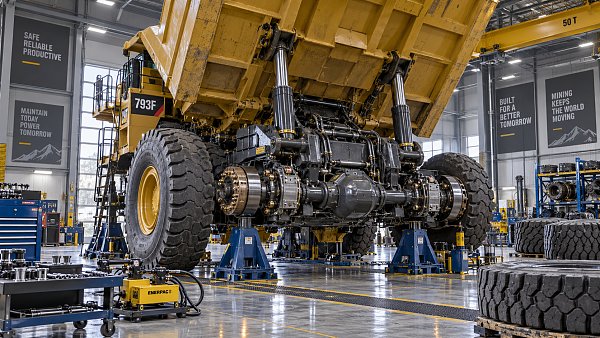
The axle and frame discussion should also include service realities. If a route produces rough vibration, the buyer should ask how the chassis tolerates long-term stress and how easily suspension components can be inspected. A strong technical quote will explain not only what the truck can carry, but how it manages repeated working stress over months and years.
Check Braking, Cooling, and Safety Systems
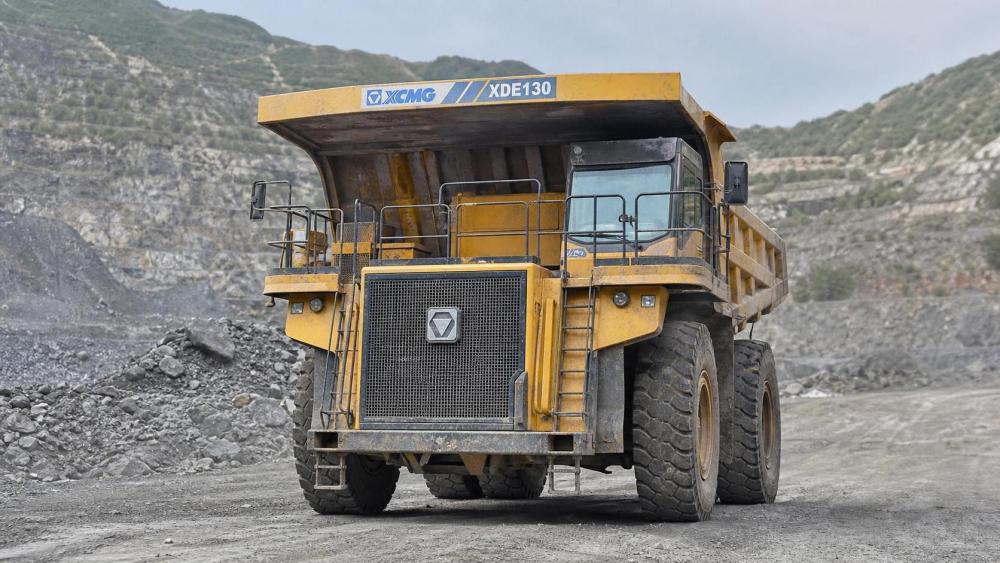
A dump truck works in a heat-heavy environment. Brake systems, engine cooling, retarder behavior, and heat management all deserve close review. Long downhill travel, frequent loading cycles, and dusty sites can make thermal control as important as payload. Buyers should ask how brake fade is reduced, how cooling margins behave in hot weather, and what monitoring or warning functions are available to the operator.
Safety systems should be reviewed as part of daily operation, not as marketing extras. The buyer should confirm visibility, tipper stability, parking safety, warning alarms, and driver training needs. If the dump truck will be used in a fleet, the operator should understand the lockout routine, the correct dumping sequence, the road speed policy, and the inspection habits that reduce incident risk. These details protect both the asset and the people working around it.
Electronic monitoring is increasingly useful when the vehicle works in demanding shifts. A buyer may not need every advanced feature, but should know whether the truck offers actionable data on payload, temperature, maintenance intervals, and operating hours. A reliable selection lets the fleet manager respond before a small operating issue becomes a costly shutdown.
Use a Supplier Comparison Table Before Approval
A dump truck is rarely purchased from a single line of thought. Procurement, operations, maintenance, and finance each see different risks. The table below gives each group a shared frame for comparison before a final order is approved.
Plan Inspection, Delivery, and First Month Use
The buying decision does not end with confirmation of the spec sheet. Delivery planning matters because a dump truck can be damaged or delayed by poor handover, unclear document flow, or missing accessories. Buyers should confirm the checklist for pre-shipment inspection, the packing of spare parts, the way documents are delivered, and the responsibilities for arrival inspection. If the fleet is imported, the team should also confirm customs, transport, and offloading responsibilities.
The first month after delivery is a critical period. Fleet teams should track fuel use, tire behavior, brake temperature, tipping behavior, and any recurring warning signals. These observations tell the buyer whether the selected configuration matches the route and the loading pattern. They also create a record for future repeat orders. Good buyers treat the first month as a live validation period rather than assuming that the truck will behave exactly as the brochure suggests.
If several trucks are being ordered, the buyer should standardize the receiving format. That means the same checklist, same inspection fields, same document archive, and same defect reporting flow. This discipline turns a procurement batch into a managed fleet instead of a collection of similar-looking units.
Turn the Spec Sheet Into a Fleet Standard
After a successful order, the useful next step is to standardize. Buyers should save the final order sheet, the supplier’s technical response, the delivery notes, and the service records. That archive becomes the basis for future replacement orders and helps new staff understand why the chosen setup was preferred. It also reduces arguments when the next project wants to compare the same vehicle against a different truck family.
Standardization is especially useful for companies with multiple sites. One site may focus on quarry travel while another handles civil construction or short-haul transfer. By recording the route profile, payload target, maintenance findings, and supplier response, the company can decide whether one truck specification can serve both sites or whether separate configurations are needed. This lowers wasted buying and makes the fleet easier to manage.
Procurement Checklist
- Define the route profile before asking for engine or horsepower numbers.
- Compare axle count, frame reinforcement, brake behavior, and cooling margin.
- Request a document list, packing list, and pre-shipment inspection plan.
- Track the first month of operation and store the results with the order file.
- Standardize the final spec sheet for repeat orders and future fleet planning.
FAQ
Is horsepower the most important dump truck factor?
No. Power matters, but payload, frame strength, brake performance, and route profile can matter just as much or more in real work.
Why should route grade be shared with the supplier?
Grade affects load stress, brake demand, heat build-up, and drivetrain behavior. A route description helps the supplier suggest a realistic configuration.
Should fleet teams track the first month after delivery?
Yes. Early operating data reveals whether the truck actually fits the site and gives the buyer evidence for future orders.
Related News
 Oct 19, 2026Sizing Industrial Hydraulic Power Packs: Pressure, Flow, and Duty CycleSize industrial hydraulic power packs with confidence. Learn how pressure, flow, and duty cycle affect performance, energy costs, and heat control—and avoid costly sizing mistakes.
 Oct 18, 2026How Equipment Specifications Affect Purchase, Installation, and Operating CostsExplore equipment specification planning cost factors that shape purchase, installation, and operating budgets. Compare lifecycle costs, avoid oversizing, and buy with confidence.
 Oct 17, 2026Tunnel Boring Machine Supplier List: Compare TBM Types and Service CoverageExplore our tunnel boring machinery supplier list to compare EPB, slurry and hard rock TBMs, assess service coverage and lifecycle costs, and build a smarter procurement shortlist.
 Oct 16, 2026Heavy-Duty Petrochemical Lifting: Selecting Cranes by Load, Radius, and Site AccessExplore heavy-duty petrochemical lifting solutions. Compare cranes by load, radius, site access, and ground support to reduce project risk and optimize lifting costs.

Heavy Haulage Strategist
Weekly Insights
Stay ahead with our curated technology reports delivered every Monday.