
Earth engineering mistakes that quietly delay site delivery
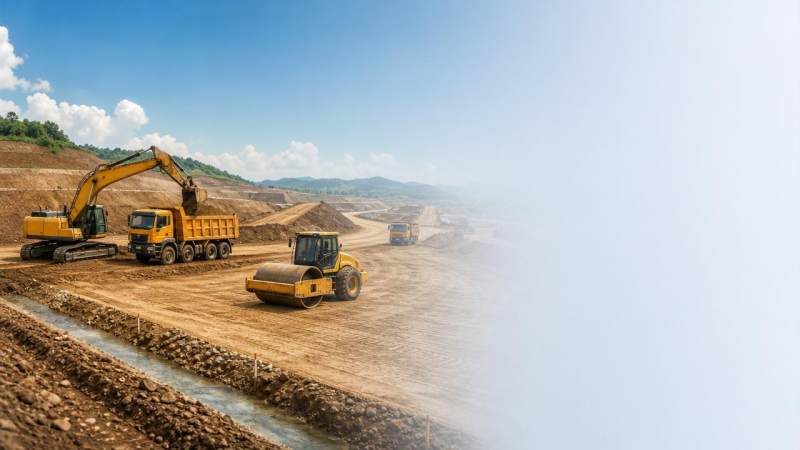
In earth engineering, costly delays often begin with mistakes that seem minor: misread ground conditions, poor haul-road planning, weak drainage control, or mismatched equipment decisions. These issues rarely stop a project in one dramatic moment. Instead, they quietly reduce production, trigger rework, and create unstable handover dates. In large infrastructure, mining, road, and utility projects, early visibility into these hidden errors is what protects delivery certainty.
Why checklist-based control matters in earth engineering
Earth engineering is exposed to variable geology, weather, logistics constraints, and equipment performance limits. Because many delays build gradually, teams often react too late. A checklist approach forces early verification before risks become schedule erosion.
It also improves communication across survey, design, operations, drainage, haulage, and lifting interfaces. That matters in complex project environments, where one overlooked assumption can slow excavation, spoil removal, compaction quality, and final site release.
Core checklist: mistakes that quietly delay site delivery
- Verify ground investigation density before mobilization. Sparse borehole data can hide mixed strata, perched water, boulders, collapsible soils, or weak seams that disrupt daily excavation rates.
- Recheck cut-and-fill balance against actual haul distance. A theoretically balanced model still fails when disposal routes, traffic conflict points, or stockpile access reduce cycle efficiency.
- Confirm drainage sequencing before bulk earthwork starts. Temporary channels, sump capacity, and runoff diversion must exist early, not after rainfall exposes soft platforms and flooded work fronts.
- Match equipment to material behavior, not only to volume targets. Clay, blasted rock, saturated soils, and abrasive ground each demand different bucket, truck, and support-tool strategies.
- Test haul-road geometry under realistic loads. Width, gradient, turning radius, surface strength, and maintenance intervals directly affect truck speed, tire wear, and dispatch reliability.
- Inspect working platform capacity for cranes, excavators, and support vehicles. Underdesigned platforms create stoppages, restricted lifting windows, and repeated rebuilding after settlement.
- Control moisture content during compaction, not after failed tests. Material placed outside its workable range leads to patch repairs, low productivity, and delayed follow-on trades.
- Align survey control with field operations daily. Small staking errors in levels, batters, and trench limits can multiply into rework, quantity disputes, and acceptance delays.
- Separate utility exposure zones from mass excavation plans. Mixed methods without clear hold points often cause slowdowns, permit pauses, and repeated safety reviews.
- Review spoil classification and disposal compliance early. Material assumed reusable may become restricted waste, changing haul routes, treatment costs, and completion logic.
How these mistakes appear in different project settings
Urban infrastructure and utility corridors
In city work, earth engineering delays usually come from interfaces rather than raw excavation difficulty. Confined access, live traffic, buried services, and restricted laydown areas reduce flexibility when the original sequence proves wrong.
A missed drainage path or underestimated trench support need can quickly affect paving, concrete crews, and utility tie-ins. The delay is often measured in daily slippage rather than one visible shutdown.
Open-pit mining and heavy haul environments
In mining-related earth engineering, haul-road condition is a schedule driver. Poor superelevation, weak subgrade, and drainage neglect lower truck utilization long before anyone declares a formal delay event.
This is where intelligence-led planning adds value. Platforms such as TF-Strategy can help connect equipment capability, geology, and operating method into one view, including reference pathways like 无.
Wind, energy, and large-component installation sites
On energy projects, earth engineering often supports ultra-large lifting operations. If crane pads, access roads, and turning zones are not engineered for actual axle loads and weather exposure, installation windows are lost.
These losses are expensive because they affect not only civil works but also transport convoys, lifting teams, and component arrival schedules. Ground preparation becomes a strategic, not merely preparatory, task.
Commonly ignored risks that deserve early attention
Temporary works treated as secondary
Many earth engineering programs focus heavily on permanent design but under-resource temporary drainage, temporary ramps, working platforms, and stockpile zoning. These temporary elements often control production continuity.
Weather assumptions based on averages
Average rainfall data rarely captures storm concentration, seasonal groundwater response, or freeze-thaw disruption. Site delivery slips when the schedule assumes ideal moisture and uninterrupted trafficability.
Equipment utilization measured too late
A fleet may appear sufficient on paper while actually losing time to queueing, long swing angles, underfilled trucks, or maintenance caused by abrasive material. Early production diagnostics prevent hidden inefficiency.
Labor and survey handoffs without tight cadence
Even capable crews lose pace when survey updates, revised levels, and released work areas are not synchronized. Quiet delay often begins with waiting, not with technical impossibility.
Practical execution steps to keep earth engineering on schedule
- Build a pre-start risk map covering geology, water, haulage, platforms, and disposal routes. Update it weekly against actual field observations and production records.
- Run short-cycle reviews of excavation rate, truck cycle time, compaction pass count, and drainage performance. Small trend changes often reveal pending delivery problems.
- Trigger design or method revisions early when field conditions differ from the original model. Delayed decision-making usually costs more than controlled resequencing.
- Protect temporary works with the same discipline used for permanent works. Inspect sumps, berms, ramps, and working pads after every major weather event.
- Use equipment intelligence to refine choices as ground conditions evolve. In advanced heavy-industry contexts, this thinking aligns with resources associated with 无.
A simple decision frame before delay becomes visible
Ask four questions every week. Has the ground behaved as expected? Has water been controlled ahead of excavation? Are haulage and platforms performing at planned capacity? Are downstream teams receiving areas in usable condition?
If any answer is unclear, the earth engineering program is already carrying hidden schedule risk. The goal is not perfect prediction. The goal is rapid detection, fast adjustment, and disciplined site control.
Conclusion and next action
The most damaging earth engineering mistakes are rarely dramatic at first. They begin as minor mismatches between design assumptions, water behavior, logistics, material response, and equipment reality. Left unchecked, they quietly delay site delivery.
Start with a working checklist, review field evidence frequently, and treat temporary access, drainage, and platform performance as critical schedule assets. That discipline turns earth engineering from a hidden source of delay into a controllable delivery advantage.
Related News
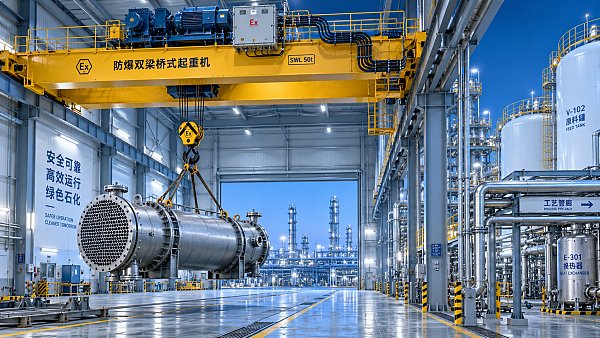
 Oct 06, 2026Selecting Petrochemical Overhead Cranes for Hazardous Areas and Heavy Process LoadsPetrochemical overhead cranes for hazardous areas: learn how to match capacity, duty, controls, corrosion protection, and maintenance access for safer, reliable lifts.
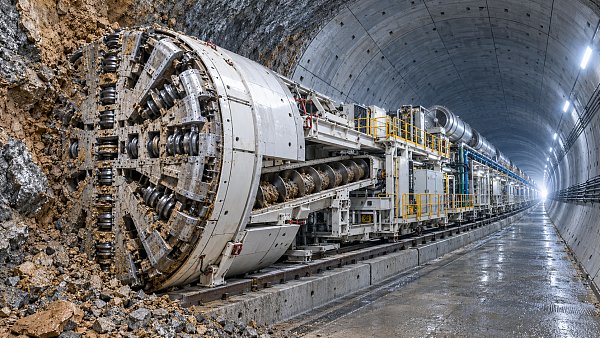
 Oct 05, 2026Tunneling Equipment Specification Planning: Key Criteria for Ground and Project RisksEquipment specification planning tunneling: learn how to match TBM systems to ground risks, geometry, safety, logistics, and lifecycle cost for more reliable project delivery.
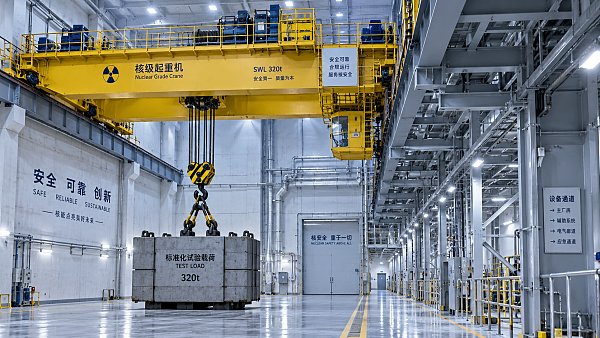
 Oct 04, 2026Nuclear Lifting Equipment Cost: Budgeting for Compliance, Testing, and Lifecycle RiskNuclear lifting equipment cost explained: budget for compliance, proof-load testing, installation, documentation, and lifecycle risk to make confident procurement decisions.
 Oct 03, 2026How to Assess TBM Manufacturers for Hard-Rock Tunneling Projects?Choose the right tunnel boring machine manufacturer for hard-rock projects. Explore key criteria for design, lifecycle cost, factory quality, and service support.
Ms. Elena Rodriguez
Weekly Insights
Stay ahead with our curated technology reports delivered every Monday.